
Recovering from a pilonidal cyst can be frustrating, particularly since timelines for healing differ so much between people. Some are able to recuperate within weeks after a simple drainage procedure whereas others with more invasive surgery may need several months to heal completely. Familiarity with what healing normally looks like can make your anxiety less likely, enhance your prognosis, and enable patients to understand when to call your doctor. Whether you recently had a pilonidal cyst operation video drained, a surgical one removed or you are gearing up to be treated, understanding how your recovery is going will be a key aspect of your recovery.
What is a Pilonidal Cyst?
A pilonidal cyst is a lump of tissue that appears closest to the tailbone — usually in the crease between the buttocks. Such cysts usually contain hair, skin debris, and inflammatory tissue. A pilonidal cyst is a mass of cysts that is composed of some skin, hair, and hair, some of which remain painless, while others become infected and become infected, swelling, draining to the outside, and causing great suffering. In most cases, medical treatment or surgery will be required to resolve the condition and prevent its recurrence. It takes significantly the kind of treatment an individual undergoes, how bad a condition it is, and the person’s general health before a breakthrough in recovery is reached.
How Long Does Pilonidal Cyst Take to Heal?
One of the most common questions patients will pose is how long it will take. Sadly, there is no one answer. Depending on which procedure you are given, recovery may take several days to several months. After a simple incision and drainage procedure for an infected pilonidal abscess, people are starting to feel a lot better a few days after surgery and able to return to normal activities in one or two weeks. More complex surgical operations often take longer to heal. Wounds closed with stitches will typically heal in two to six weeks whereas wounds that are left to heal by themselves will take six to eight weeks or longer. And some complicated circumstances may take many months to heal completely. While these rates can be discouraging, if progress does occur gradually, usually that is encouraging.
What Happens in the First Few Days Post-Treatment?
The initial two or three days after treatment are usually the most uncomfortable. Patients often have tenderness near the surgical site, swelling, drainage, and soreness. Many patients actually feel relief if an abscess has been drained, as the pressure of the infection has finally been lifted. This early stage of healing is all about rest. Your doctor may advise steering clear of prolonged sitting, hard exercise, heavy lifting or activities that cause pressure to the tailbone area. Pain medication, hot compresses and good instructions about how to care for an open wound can all make the recovery more bearable. This time, however, it is a normal drainage period. In fact, according to the type of procedure performed, some bloody or clear fluid drainage might persist for days and finally weeks.
What Happens in the First Few Weeks?
As the initial inflammation starts to subside, the body goes into the active phase of healing. In this phase new tissue occurs and replaces the injured tissue, leading to closure of a wound. For patients whose wounds are healing on themselves, without any stitches, healthy granulation tissue begins to fill the wound from the bottom up. This tissue is usually pink or reddish in color and the healing progresses in a timely manner. Patients might observe that the wound gets smaller as time goes on. Patients who have their surgical incisions completely closed may feel itching or mild soreness or tightness as the structures re-heal themselves. These sensations are normal and usually gradually improve over several weeks. Pilonidal healing can appear to be markedly delayed – as many patients are surprised at. So these wounds are located in an area that is exposed to moisture, friction, and pressure, and healing tends to take longer than with other forms of injury on the body.
Why Is Wound Care So Important?
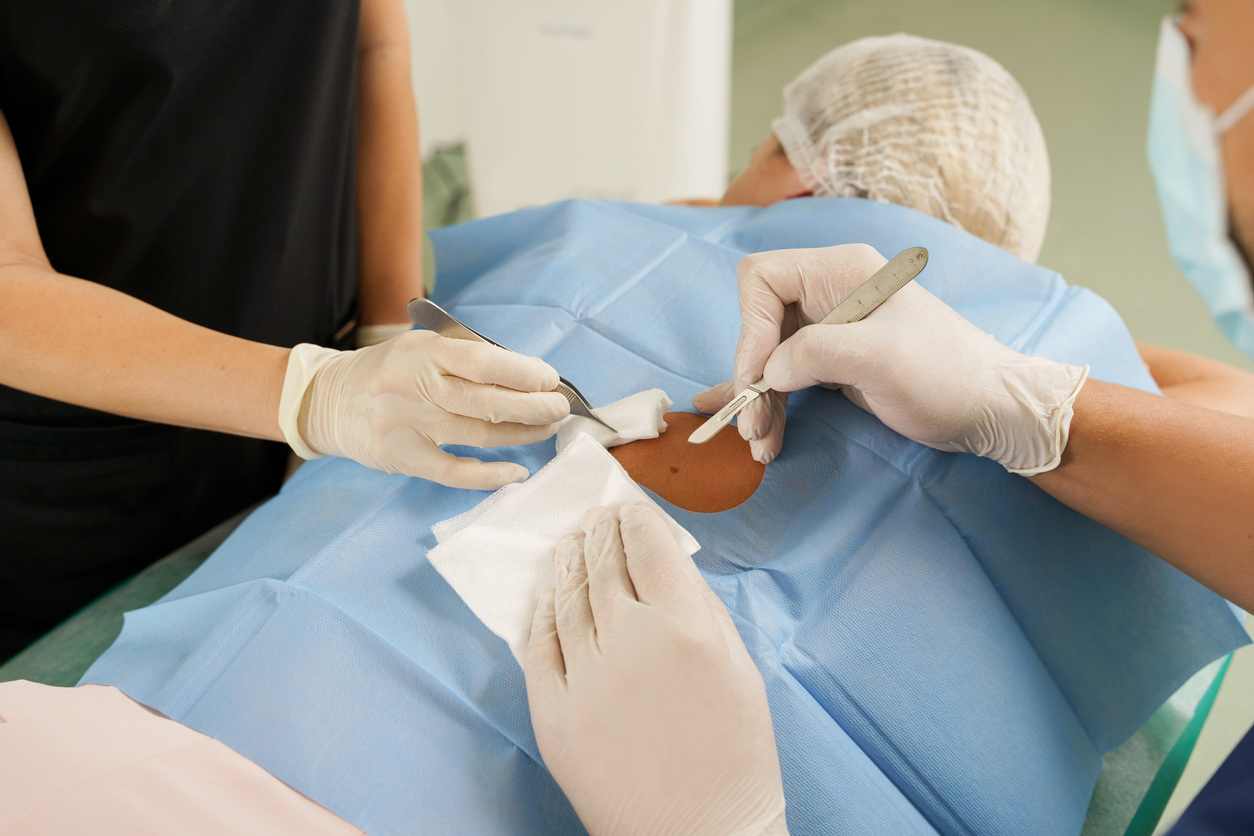
Good wound care is very important for avoiding a lot of complications and to promote healing. Your healthcare provider may suggest daily dressing changes, wound packing, gentle cleansing or having specific visits to a wound care provider per the procedure. A clean and dry location minimizes the chance of infection. Patients are taught to shower regularly, not soak the wound, except as directed, and to closely adhere to any dressing instructions. Dressing changes missed or care prematurely ended and recovery can be late with significant increase in recurrence. As each surgical technique is different, patients have to adhere to their surgeon’s specific guidelines in order to not go back to general.
Why Does Hair Removal Matter While Healing?
Hair is important in the initiation and worsening of pilonidal disease. This is why many surgeons advise performing a form of continuous hair care, as part of the treatment. Depending on what your doctor advises, hair removal may involve careful shaving, depilatory creams or laser hair removal work. Taking hair out of that area means there’s less chance for loose hair to get stuck under the skin and cause further inflammation. Good personal hygiene in addition to regular hair care plays a key role in improving long-term results after pilonidal treatment is implemented.
When is Healing Going Well?
Although healing times vary wildly some signs usually signal the passage of time so typical of recovery. Acute pains are temporary and the patient experiences a slow improvement over time but do not worsen. Swelling and redness should wane. Drainage usually reduces and becomes less frequent. For open wounds, the cavity of the wound should be slowly decreased in size. Occasional itching is often seen on the patients in recovery mode. Though this annoying, itching shows the active restoration process of tissue, healing, and repair pilonidal cyst healing process. When healing feels slow, many of us get concerned. Slow improvement, however, is often entirely normal with pilonidal wounds, especially after larger interventions.
What Symptoms May Call to Attention of Your Doctor?
Some discomfort and drainage are expected but some symptoms may reflect complications. If you’ve been experiencing worsening pain, increasing redness, fever, chills, foul-smelling drainage, excessive bleeding, or sudden swelling around the wound, patients should contact their healthcare provider. These signs may indicate an infection, another complication that requires medical assessment. Further evaluation is indicated if the wound seems to stop healing or starts to expand after recovery.
Can Pilonidal Cysts Return Following Healing?
Regrettably, recurrence is still one of the most significant problems with pilonidal disease. Although successful, some patients have future episodes. Risk factors for recurrence are protracted sitting, obesity, inadequate hair removal and incomplete recovery. Fortunately, however, improved long-term survival rates for many patients, thanks to surgical technology advances and postoperative care. Good hygiene, sticking to your surgeon’s advice and treating hair growth can all reduce the risk of recurrences.
The Bottom Line
The healing of a pilonidal cyst lancing entails time. Recovery can be slow and unpredictable, but the recovery process slowly becomes normal. Being followed up wound care instructions, attending follow up health events, practicing good hygiene and watching out for complications all add to recovery well done. Patients recovering from pilonidal sinus video disease, bear in mind that their time to recover differs greatly from patient to patient. For most of the time, it’s very important to keep in line with your health care professional and give your body the time it needs to heal and recover from the condition so as to avoid complications in the future.
Specialties
Recent Pilonidal Q&A

OFFICE HOURS
Monday – Friday
9:00 AM – 5:00 PM