
If your doctor has recommended to have a pilonidal cyst surgically operated upon, asking to know what the operation involves is of course not hard. People of all ages search for a video of a pilonidal cyst procedure for this reason: they want clear views of what happens in an operating room and what recovery after treatment is like. Recognizing the process in detail is vital in lowering anxiety, and make it easier to prepare for treatment. A pilonidal cyst operation video is to eliminate infected tissue, chronic sinus tracts, and hair that remains trapped underneath the tailbone that is constantly causing pain, swelling, drainage, or repeated infections. While every patient’s condition is an individual, the surgical procedure is similar to each other, whether or not the methods employed by the surgeon are the same.
Why Is Surgery Necessary?
Not every pilonidal cyst needs surgery. Sometimes drainage and wound care can be appropriate for a first-time abscess to resolve without urgent cyst removal due to infection. However, surgery frequently becomes the most effective treatment if repeated infection occurs, chronic drainage occurs, multiple sinus tracts develop underneath the skin or symptoms can affect day-to-day living. The purpose of surgical treatment is to erase the completely infected tissue while minimizing the possibility of future infections, plus aiding long-term recovery.
Getting Ready for the Procedure
Your surgeon will monitor the affected region in advance of the surgery, in which case they’ll look at the extent of the pilonidal disease. Because it is usually diagnosed by a physical examination, further imaging is seldom required unless there are worries about grossly extensive disease. Surgery may require anesthesia and patients are generally told not to eat or drink for a few hours beforehand. Then, your surgeon might also look over any medications you take and give orders for whether or not it should be made temporary adjustments before the procedure. Since most pilonidal cyst operations are outpatient, most patients go home the day of operation after the surgery, and they should arrange to be transported beforehand.
What Happens on the Day of Surgery?
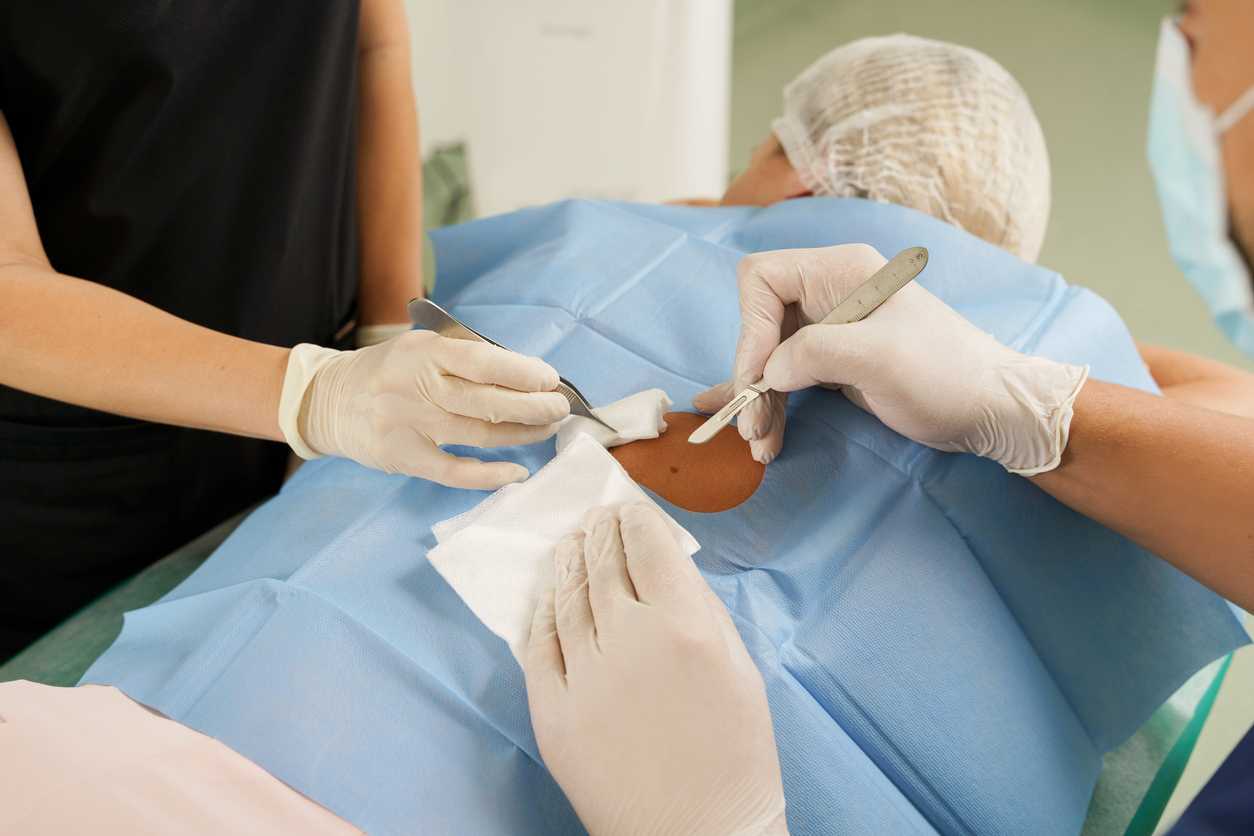
Once you have arrived, you will be in the surgical center. Meeting the nursing staff, anesthesiologist and surgeon. Your history of medicine, medications and allergies before the operation starts will be reviewed. The operation may be conducted either on local anesthesia with sedation or under general anesthesia depending on how complex it is, as well as whether you are OK overall. When you are asleep or feeling well enough in bed you will be placed in a position to permit the surgeon to secure a safe access to the area between the buttocks. The skin is cleaned completely with sterile antiseptic solution to reduce the risk of an infection before sterile drapes over the surgical field.
Removing the Pilonidal Cyst
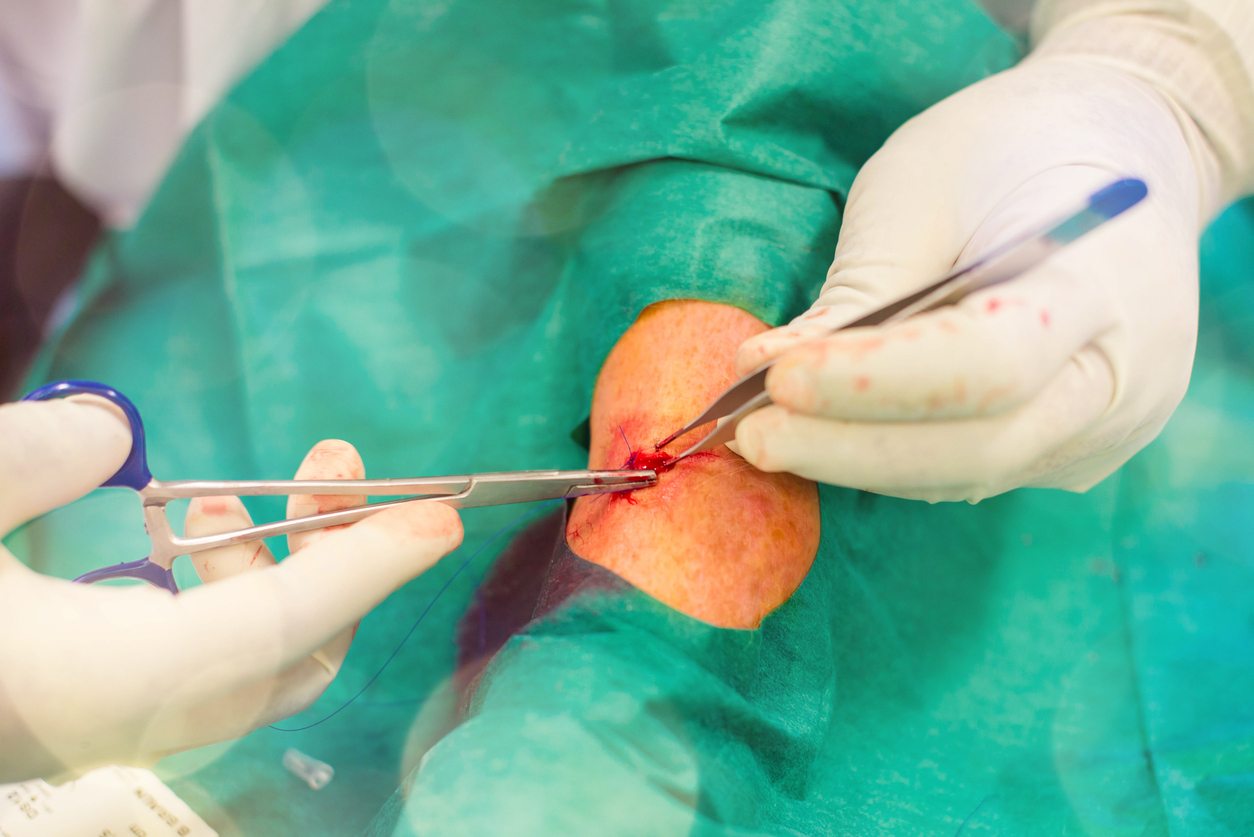
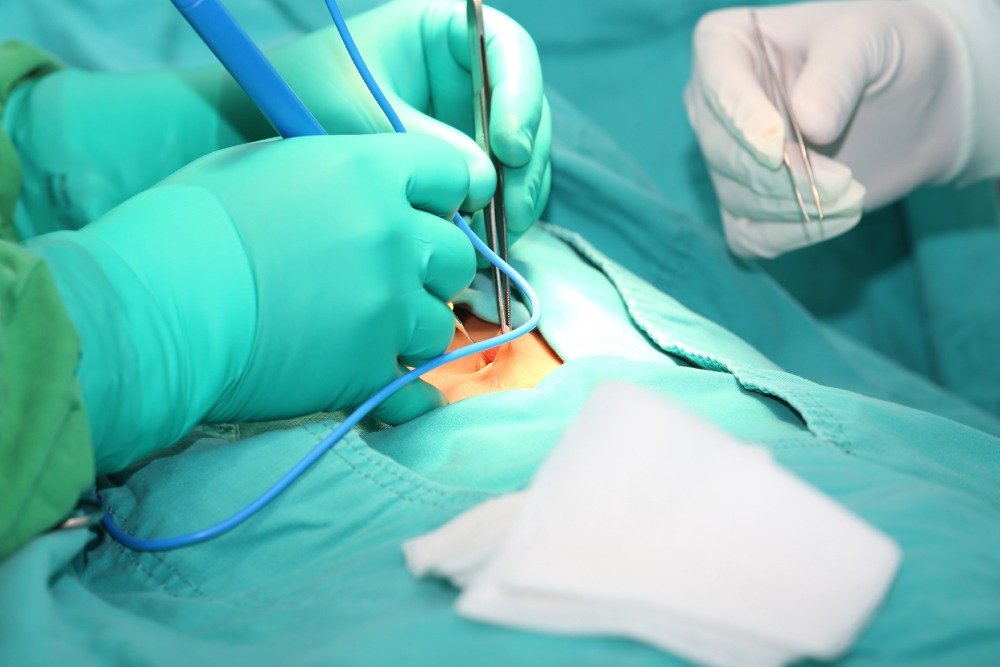
Identifying the disease’s full extent is one of the most important aspects of surgery, as far as surgery goes. While a pilonidal cyst might look tiny on the outside, it often runs underneath the skin through sinus tracts that branch down and include hair, inflamed tissue and chronic infection. The surgeon removes the cyst and any visible sinus tracts with sufficient care and any hair or inflamed tissue in the area that causes the problem. Removing all the infected tissue will reduce the likelihood that symptoms will come back over the time that a person has a condition and be treated quickly to make patients feel better. The removal can vary depending on just how bad the disease is. Patients may have only a small cyst, and some who have had a chronic condition in the past may need to have a larger area removed.
How Is the Wound Closed?
Once the cyst is removed, it is up to the surgeon to determine how it is to heal. Best to focus on this will come down to the size of the surgical site, if the disease reoccurs and the patient’s specific anatomy. In certain instances, the wound is left to heal naturally from the inside out. This process encourages healthy tissue to gradually fill the cavity with time and can reduce the chance of bacteria settling under the skin. Healing usually takes longer, but it could work really well for some patients.
Others might also close the wound with stitches after cyst removal. Primary closure reduces recovery time but may not be appropriate for every situation.
Off-midline flap surgery
Patients whose pilonidal lesions tend to be larger or recurrent may be better after surgery with large, recurring pilonidal disease due to a posterior off-midline flap. In these procedures, an intact tissue is transferred to flatten the natural crease between the buttocks to minimize friction, moisture and hair buildup, which drive recurrence. These more complex treatments are usually recommended for patients who have had recurrent infection or past surgery that hasn’t worked.
How Long It Takes to Perform The Operation?
Most operations of the pilonidal cyst take between thirty minutes and one hour; for flap reconstruction or recurrent disease, the treatment may take longer, but surgical removal or reconstruction is still usually done outpatient. The patients then go back home with continued observation in a recovery area after surgery until the effects of anesthesia are no more and patient returns home.
What Is Recovery Like?
The extent to which you recover will depend on what type of surgical procedures were performed. Soreness during the first days after surgery may be experienced and can be similar to swelling and light drainage. Your surgeon will give you advice about pain management, wound care, bathing, limitation restrictions, and follow up visits. Patients who have their wounds left open also have a longer healing period, since new tissue slowly fills the surgical cavity, sometimes weeks at best. The patients whose wounds are closed with stitches usually tend to heal more quickly than their cut-open counterparts, although activity restrictions still apply when each incision heals.
An extremely important aspect to ensure successful outcome is following postoperative guidance closely. Wound care, proper cleanliness and desiccation of the wound, and regular follow-up appointments help healing and the risk of complications decrease.

How To Ensure What To Watch After Surgery So What Should You Look Out For?
Complications are rare, but it’s important that patients call their surgeon if they develop increasing redness, substantial swelling, fever, increased pain, excessive drainage, foul-smelling discharge or heavy bleeding. Early assessment helps prevent problems being exacerbated and helps preserve the healing process.
Is It Time To Watch a Pilonidal Cyst Operation Video?
Seeing a pilonidal cyst operation video can help some patients understand more of what happens during procedures better. Educational videos can show how the surgeon removes the cyst, sterilizes affected tissue, then treats the wound afterward. Watching the procedure can give the experience a less inscrutable feel and gives patients comfort that they are not going to have to feel that way all day.
Yet, though, all pilonidal cysts are different, and these distinctions must always be borne in mind. The cyst size, number of sinus tracts and the method for which surgery is used and the degree of cyst development may be different between patients for each individual. Hence, it is beneficial to consider a video a teaching resource, not an accurate likeness of how you carry out your own surgery.
Can a Pilonidal Cyst Come Back?
Surgery, although provides the best chance for long-term relief in this situation, cannot completely eliminate the possibility of recurrence. Hair growth, moistness, long-term pressure or individual anatomy combined can bring to an individual’s eyes the development of another pilonidal cyst over time. Improving your hygiene, adhering to your surgeon’s recommendations in relation to your hair care, maintaining a clean area, and attending follow-up appointments, can greatly limit the chance of recurrences in the future.
Getting Better Confident if You Know It
Knowing what occurs in the course of a pilonidal cyst operation can help lessen the terror of surgery. For a pilonidal cyst operation video research you may watch or preparation for your own procedure, each stage of the treatment in your hands can give you an insight into what your surgeon is up to and the reason for this. For people experiencing repetitive infections, continuous drainage or chronic pain, surgery can be very effective, leading to a significant improvement of their quality of life and enabling them to go about their daily activities in much better shape and contentment.
Specialties
Recent Pilonidal Q&A


OFFICE HOURS
Monday – Friday
9:00 AM – 5:00 PM