
The painful lump around the tailbone that can make sitting, walking and even sleeping uncomfortable. If you have pilonidal disease, symptoms may begin with mild irritation, then swelling, redness or a painful infection. Pilonidal cyst medical treatment are rare and not always visible but they can be recurrent infections that we need to watch for. Knowing what treatment is available in case of pilonidal cysts and when and how to seek treatment is a great tool to know when to seek care and what treatments are available and how to avoid them. The right way to treat is to treat whether the cyst is infected, how severe the symptoms are and if the problem has come back after treatment.
What is a Pilonidal Cyst? How are they formed?
Pilonidal cysts are a pocket or cavity that forms under the skin, in the top of the crease between the buttocks. Pilonidal disease is associated with loose hairs penetrating the skin and causing inflammation.
It may begin as a small opening or pit in the skin. Hair, debris and inflammatory material can build up under the skin and cause infection.
Pilonidal disease is more common in younger people and those who spend long periods sitting. A deep buttock crease and added body hair, friction, sweating and a lot of body tension can also be factors in the development of the disease.
Not all pilonidal cysts will cause symptoms. Some people see a small opening in the tailbone and others experience painful swelling or drainage.
If infection develops, the area can be red, tender and swollen. Pus or blood can drain out of the opening and the smell is bad.
These are the signs that will help you to know when medical assessment is required.
Can a Pilonidal Cyst Go Away Without Medical Care?
A pilonidal pit or cyst that is not infected and does not show any symptoms is not likely to require immediate surgical treatment. A doctor might tell you to keep the area clean and to stop hair build-up in the area.
But an infected pilonidal abscess is usually evaluated for medical reasons. It is true abscesses drain without treatment, but abscesses do not always go away.
Some patients might get better for a few weeks or months and then get a new infection.
Warm compresses can relieve minor pain and encourage drainage, but they are not a substitute for medical treatment in an abscess.
Patients should not squeeze, puncture or try to drain a pilonidal cyst at home. This would cause more tissue damage and infection.
Persistent pain, swelling, drainage or recurrent symptoms should be monitored by a healthcare provider.
How are infected Pilonidal Cysts treated?
When a pilonidal cyst is infected and forms an abscess, the first treatment is often to relieve pressure and remove the pus.
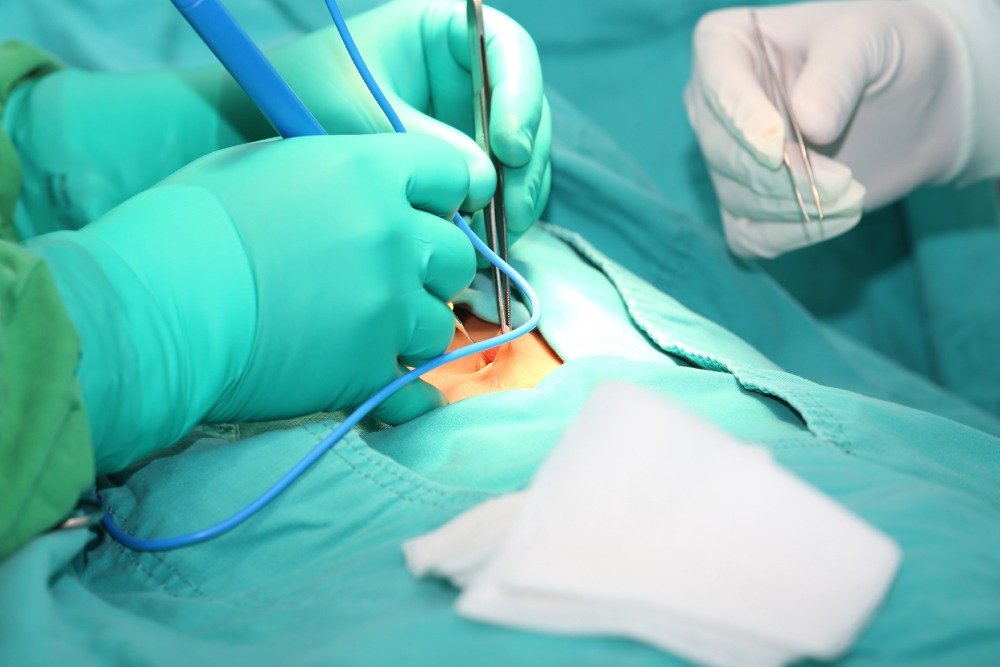
In acute pilonidal abscess, the first treatment is incision and drainage. A healthcare professional will numb the area with local anesthesia and make a small opening which allows the infected material to drain.
The wound may be left open and the patient is instructed to clean the area and change dressings.
Incision and drainage can relieve pain and swelling if pressure has built up under the skin.
An abscess does not cure the pilonidal disease but the hair and sinus tract are there and future infections can still occur.
Patients with recurrent episodes may require further treatment to get rid of the underlying problem.
Are antibiotics effective for Pilonidal Cyst Management?
In some cases for pilonidal infection antibiotics will be needed but not always.
An abscess is a collection of pus that needs drainage. Antibiotics are commonly not enough to treat a pilonidal abscess.
If there is spreading skin infection and there are serious surrounding cellulitis or other medical problems, a doctor will suggest antibiotics if the patient is at risk for complications.
This decision is based on symptoms, examination results and health.
While antibiotics can prevent associated bacterial infection, they don’t get rid of hair, debris or sinus tracts that cause chronic pilonidal disease.
So patients who have recurring infections may require a more comprehensive treatment.
When is surgery recommended for Pilonidal Disease?
Pilonidal disease causes recurrent infections and drainage of mucus and/or chronic discomfort for this patient.
Some people have sinus tracts under the skin still collecting hair and debris that can lead to prolonged inflammation after an abscess is removed.
The type of surgical procedure is dependent on the disease type, location of sinus tracts and past surgical history.
The traditional surgical procedure is to remove any affected tissue and allow the wound to heal slowly or close up the incision with stitches.
For some patients, the incision will be moved away from the center of the buttock crease. Off-midline closure is preferred over a wound at the midline, as it will reduce the complications of the wound and recurrence.
This will be determined by the history of disease, the extent of the disease and the course of recovery to be done.
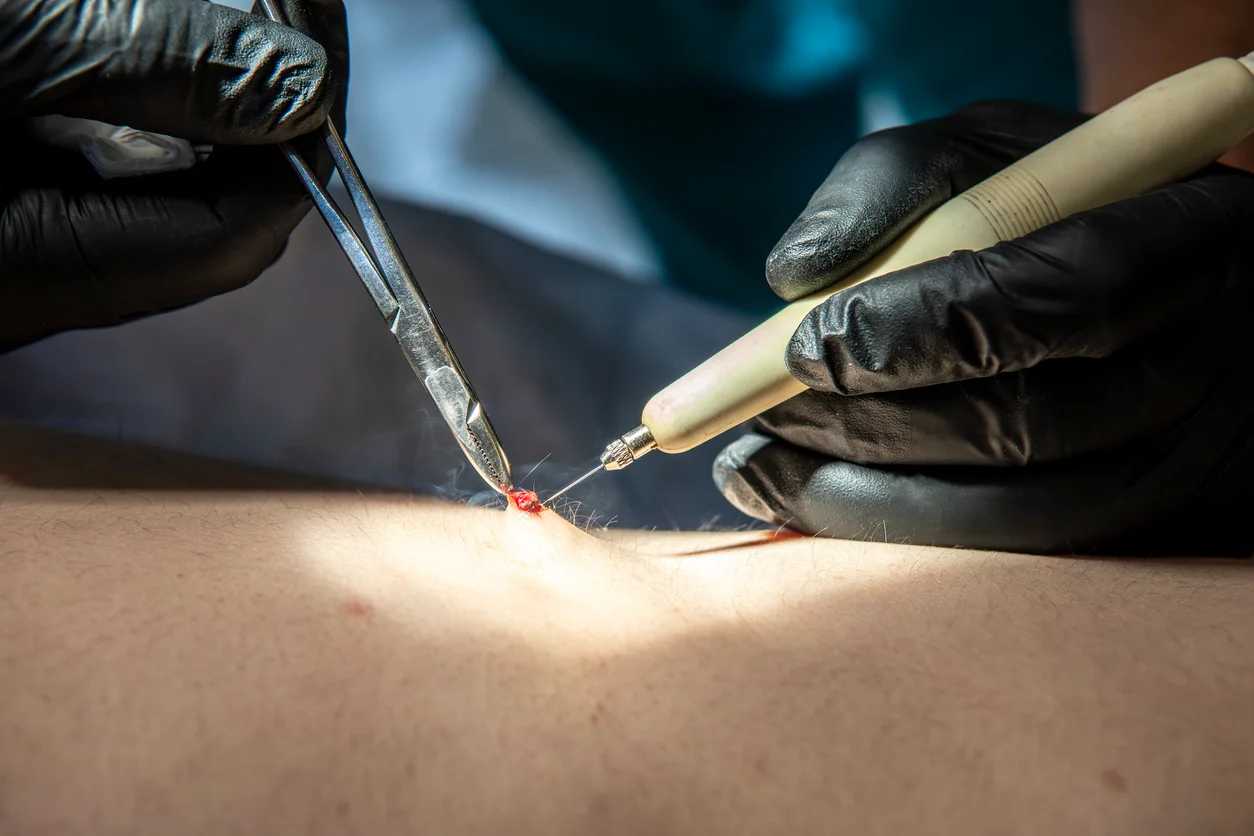
What are the minimally invasive Pilonidal Cyst treatments available?
The progressive management of the pilonidal disease has also led to less invasive treatments for some patients.
These treatments are hair removal and removal of hair and debris from small openings in the skin, rather than a big incision.
Pit-picking is done for less serious disease and endoscopic treatments allow surgeons to probe and clean sinus tracts with special instruments.
Other methods of treatment are laser treatment of sinus tracts or hair removal to reduce recurrence.
Obviously, surgery is not the best option for all patients. Deep or recurrent pilonidal disease may require a more thorough surgical treatment.
At the physician and the medical level, the treatment is minimally invasive.
The specialist that has experience with pilonidal disease will give a diagnosis and discuss what can be done and when, if at all, for the patient’s specific problems.
What happens after Pilonidal Cyst treatment?
The extent of recovery depends on the type of treatment and whether or not the wound is open or closed.
For incision and drainage, patients may be able to relieve pressure and pain relatively quickly so that even with surgery there is still time for the injury to heal.
They may need to clean the area, change dressings and go for follow-up appointments to monitor recovery.
Recovery from longer pilonidal surgery can take longer and the wound is not open to heal slowly so healing can take time.
In this period, patients are not allowed to engage in activities that are going to cause friction or pressure in the surgical site.
Recovery is as much about cleaning up the wound and following surgeon’s orders as recovery.
Possible complications may include pain, spreading redness, fever, worsening swelling, or unusual drainage.
All patients with these symptoms should be seen by their physician.
How do you avoid a Pilonidal Cyst From Returning?
Pilonidal disease can recur after treatment has been done so prevention is an important part of long-term care.
There may be some relief through cleaning the buttock crease for irritation and hair and debris, and by keeping it clean and dry.
Hair management is also a major factor as well. Laser hair removal can also prevent recurrent pilonidal disease in some patients.
Shaving is not always the best option as the skin can get irritated and cause other problems if done poorly. Follow a doctor’s advice on hair removal.
To minimize the pressure and friction under the tailbone, as well as for sitting longer and longer around the tailbone (even if one is sitting for a longer period of time), there can be comfort.
For some patients healthy weight and management of hot sweaty or irritated skin may be helpful.
But preventive measures can’t guarantee that pilonidal disease will not come back.
Patients who see new openings, swelling or drainage should seek medical attention before the infection becomes serious.
When Should You See a Doctor for a Pilonidal Cyst?
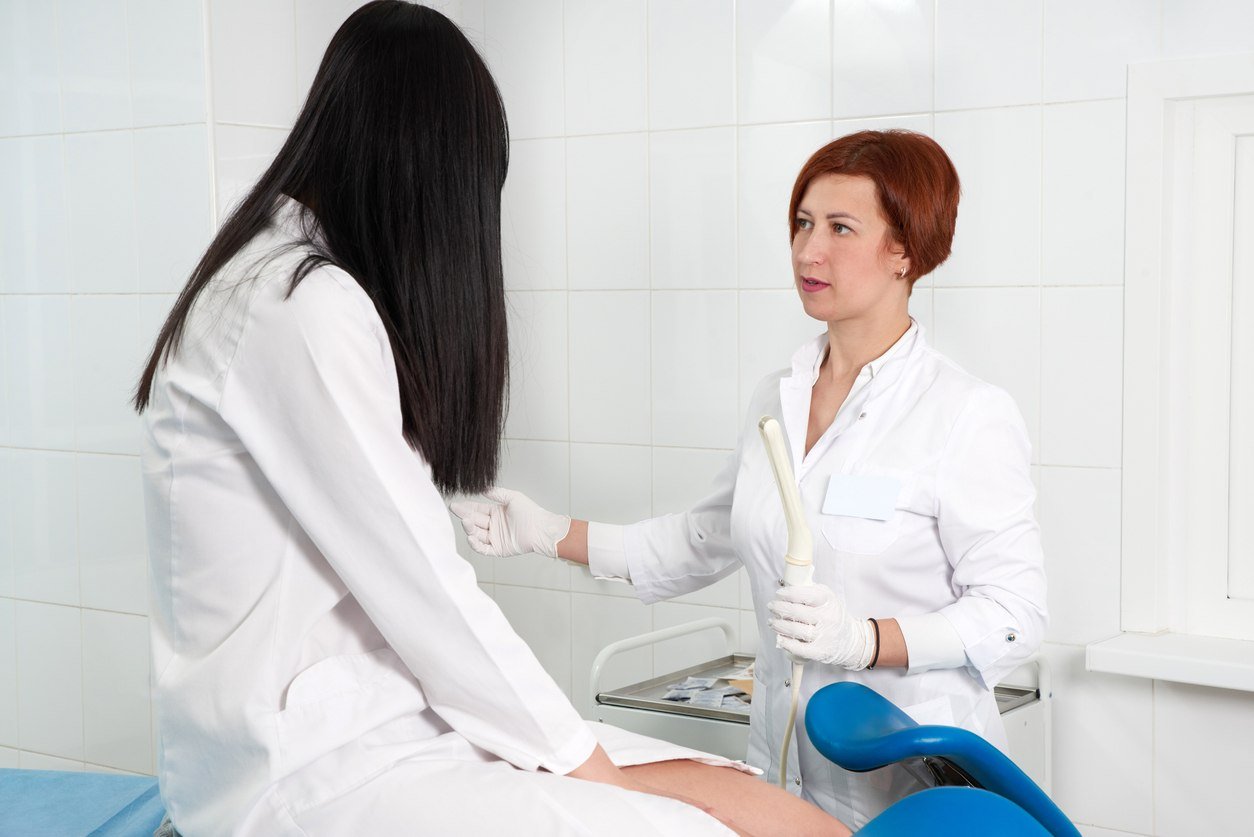
Medical evaluation is recommended if the pilonidal cyst becomes painful, swollen, red or starts draining fluid.
A growing lump near the tailbone may indicate an abscess that needs drainage.
Fever, spreading redness and increased pain are the signs of a worsening infection and people who develop this should seek medical attention immediately.
If symptoms start to increase between infections, the patient should be evaluated.
A doctor will monitor the affected areas and decide whether the problem is drainage or treatment (medication, continuous wound management, surgical therapy).
After all, a surgeon with a pilonidal surgery background will be able to treat a patient with chronic or recurrent disease and treat the underlying problem rather than treating individual infections.
Take the right medical treatment for a Pilonidal Cyst
Pilonidal disease can be as mild as a small opening at the tailbone through a series of infections that can still keep you from living normally. Although there are cases that can only be treated with monitoring and preventive treatment, most abscesses need drainage. Pilonidal cysts can be treated and chronic disease can be treated via surgery. Knowledge of the various options for pilonidal cysts and treatments will help patients and reduce delays in treatment. And you can have persistent pain, swelling, drainage or repeated infections around the tailbone and seek treatment from a doctor who has experience in the field of pilonidal disease and will be able to guide you. The treatment plan needs to be tailored to the patient’s symptoms, to heal and to minimize the risk of future complications.
Specialties
Recent Pilonidal Q&A
OFFICE HOURS
Monday – Friday
9:00 AM – 5:00 PM