A pilonidal cyst is a small irritation on the top of the buttock crease. At first sight, it might sound like a small ingrown hair or a minor skin irritation. When bacteria, hair, and debris are caught under the skin, it gets inflamed and infected and leads to extreme pain and swelling. Mild cases do get better with conservative treatment, but there are many people who have to go to the doctor right away to avoid worse complications. If a pilonidal cyst medical treatment is fast they can be treated at the right time. When the disease is serious, early treatment is also fine.
What Is a Pilonidal Cyst?
A pilonidal cyst is an area on the skin below the skin at the tailbone, and is commonly found in the crease between the buttocks. It is filled with hair, dead skin cells, and other debris. Friction, prolonged sitting, sweating, and coarse body hair are believed to contribute to it.
Some people have a pilonidal cyst and do not feel symptoms of it. But others develop chronic inflammation or infection that causes the cyst to become painful and swollen. In the skin, small openings become sinus tracts that allow fluid or pus to drain out of the affected area.
Pilonidal disease is present at most ages, but is more frequent in teenagers and young adults. In general, men are more likely to be affected than women, and those who sit for long hours may be more likely to be affected.
Early Warning Signs
The pilonidal cyst starts with mild symptoms that gradually get worse. Some patients have mild tenderness when sitting, and others have a small lump near the tailbone.
The inflammation will cause the area to get red and swollen and hurt more and more. Drainage can stain clothing or produce a very unpleasant smell for a few people. Infection is present, and symptoms get worse when infection is present.
Early warning signs can help people seek medical attention at the onset of an infection.
Most patients come to medical care for a pilonidal abscess, which is the most common reason for seeking treatment. An abscess is caused when bacteria multiply inside the cyst and collect on the skin underneath it.
The symptoms of an infected pilonidal cyst include severe pain, extreme swelling, warmth of the area, redness, foul-smelling drainage, fever, or difficulty sitting or walking comfortably.
When an abscess forms, medical treatment is required. In those cases, the infection will get worse, more painful, and harder to treat.
Why Home Treatment Is Not Always Enough
Many patients turn to home remedies when they find a painful lump around the tailbone. Warm compresses are helpful for relief and good hygiene.
But home treatment can’t cure an existing pilonidal cyst or remove an abscess once an infection is developed. The cyst is worse if a person squeezes or drains it at home, or bacteria can move to the surrounding tissue.
Since pilonidal disease is typically caused by sinus tracts beneath the skin, the cyst visible is likely to be part of the problem. A medical examination should be done to determine whether conservative treatment is appropriate or if a procedure is needed.
What Happens in a Medical Evaluation?
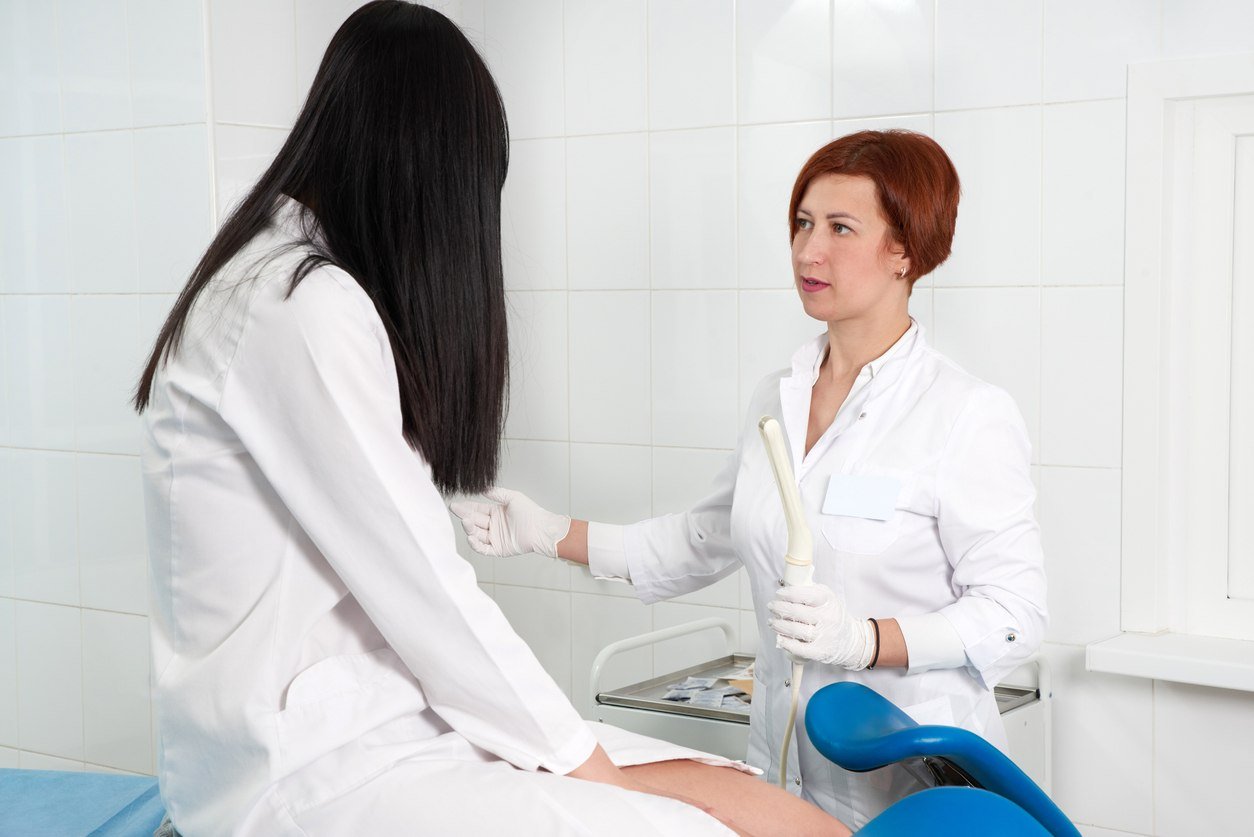
If your healthcare provider looks at the size and drainage of the cyst, they will be looking for signs of infection in this area and how well it is being treated.
The doctor will also tell you about your history of illness, current symptoms, drainage, pain, and fever, and any past treatments. The treatment is different for recurrent pilonidal disease than for a first-time infection.
Most pilonidal cysts are diagnosed by a physical exam. There are very seldom imaging studies required unless the diagnosis is not certain or the disease is more severe or more extensive.
Care is based on the cyst being infected, how severe it is, and how many previous infections have occurred.
If the cyst is small and not infected, conservative management is recommended. This will include keeping the area clean and dry, less friction, hair removal around the area, and monitoring for changes.
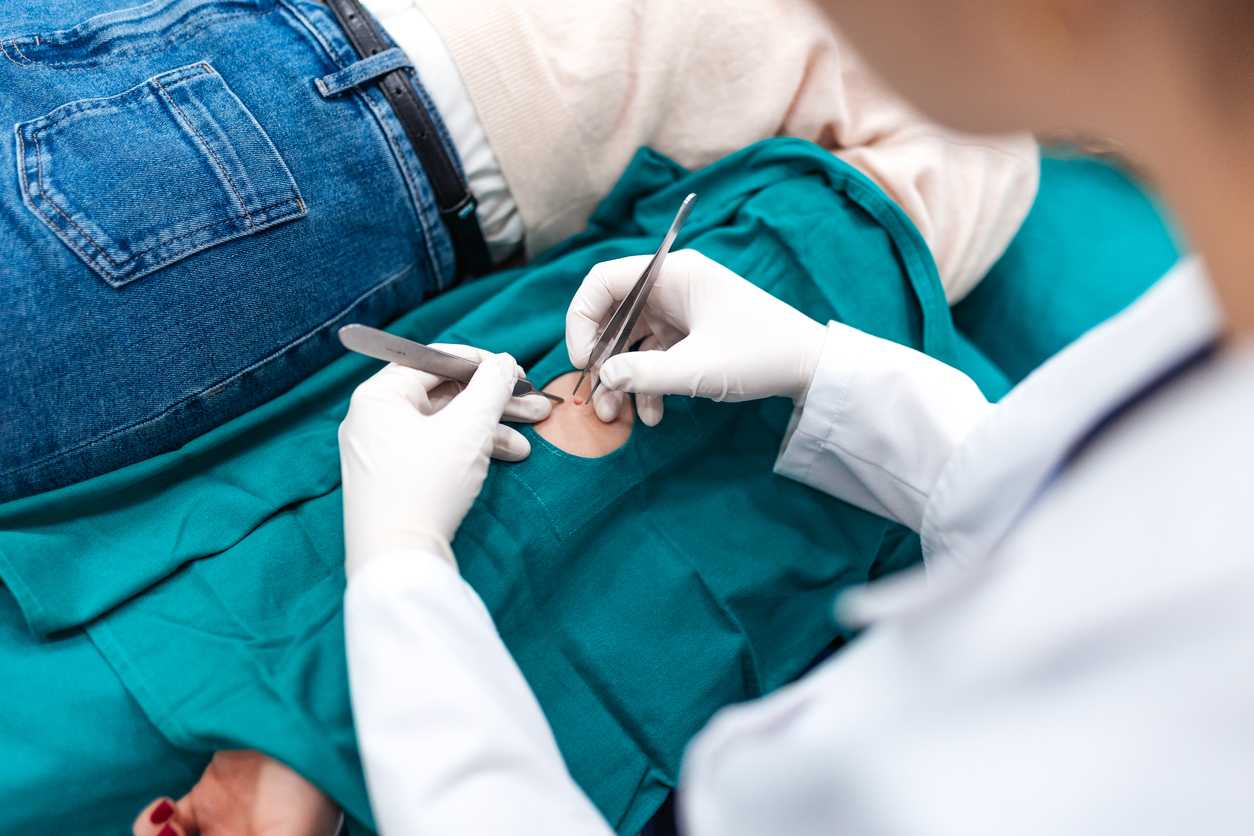
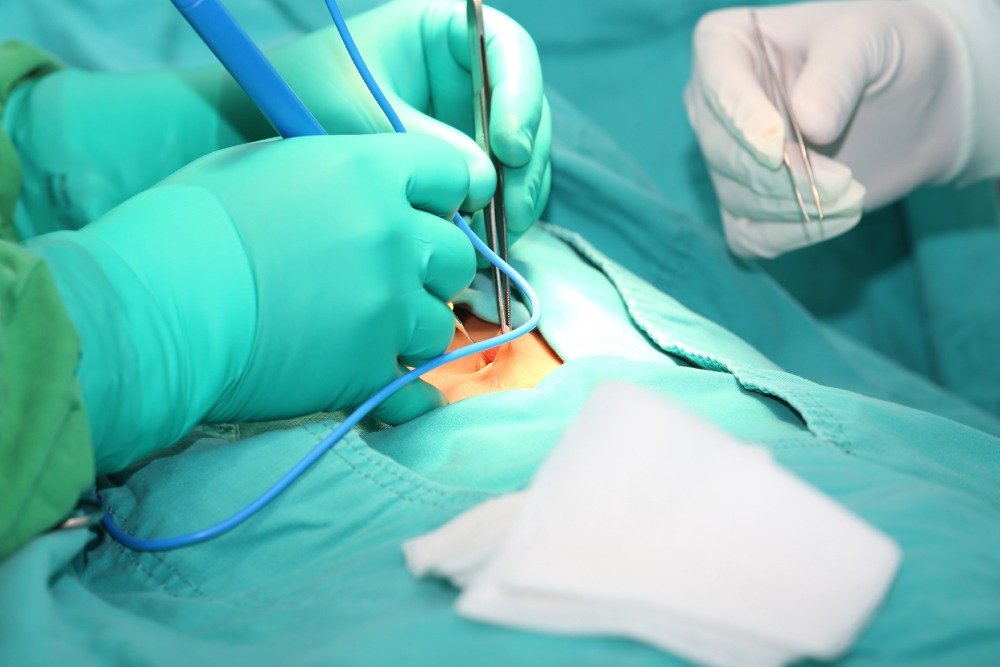
If the cyst is infected, incision and drainage are the usual first treatment. The doctor makes a small opening to drain the pus and relieve pressure and pain during this procedure.
Although drainage can correct the immediate infection, it does not remove the sinus tracts from the body that cause the disease.
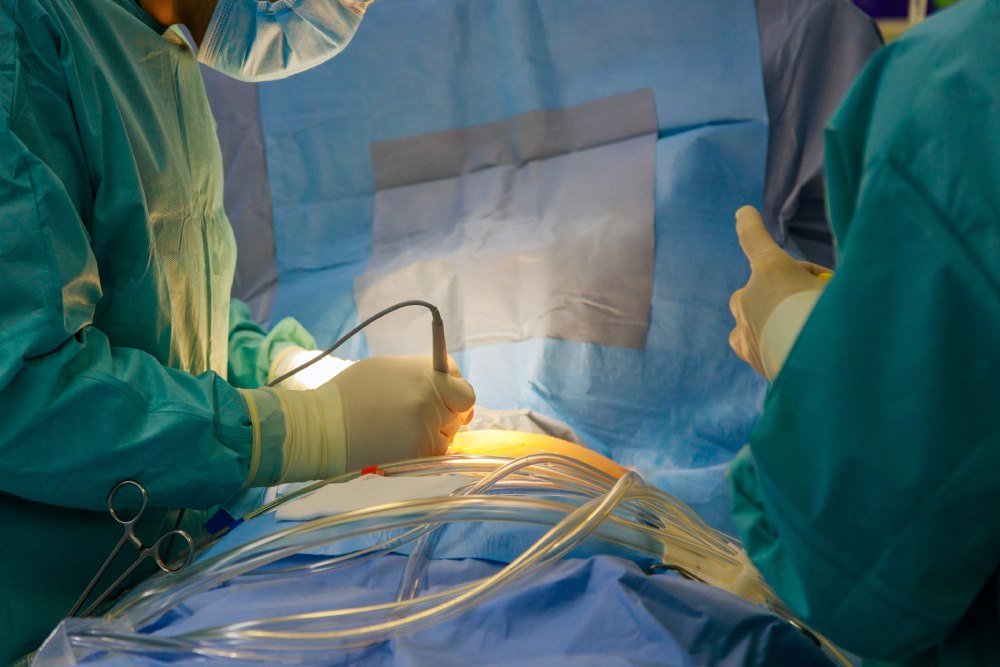
For recurrent infections or chronic pilonidal disease, surgery is needed to remove infected tissue and prevent further episodes.

Prevention of Future Problems
Pilonidal disease can return if not treated. Prevention is to remove factors that cause hair to get trapped under the skin.
Cleaning of the area and avoiding prolonged moisture, friction, and hair removal around the buttock crease will reduce the risk of recurrence. Laser hair removal can be a long-term treatment for some patients as well.
Staying at a healthy weight and not sitting for too long if possible may also decrease the pressure on the affected area.
Following your surgeon’s postoperative instructions can also help reduce recurrence after treatment.
When Surgery Should Be Recommended
Not all pilonidal cysts need surgery, but chronic or recurrent disease usually responds best to surgical treatment.
Patients with repeated infections, persistent drainage, multiple sinus openings, or ongoing pain despite previous treatment may be candidates for surgery.
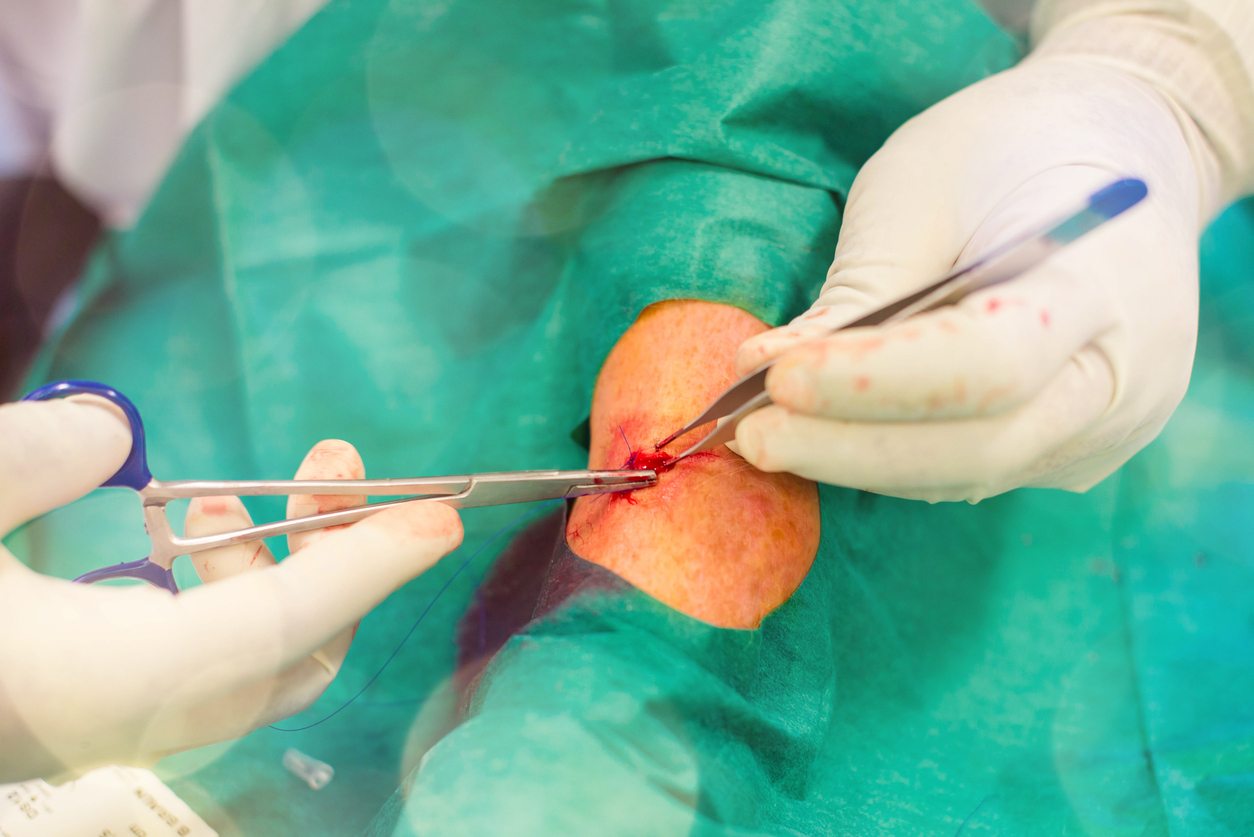
There are several surgical techniques available. Some surgical techniques only remove the affected tissue, while others reconstruct the area to flatten the buttock crease and reduce the conditions that lead to recurrence.
Your surgeon will recommend the most appropriate procedure for the severity and complexity of your condition.
Recovery After Treatment
The pressure and pain relief from the incision and drainage is acute in the immediate patients who have surgery, and the wound is generally relieved quickly, but the wound does need dressing changes as it heals.
More recovery time after surgery is usually a longer time after surgery.
You will be given details about wound care, activity management, hygiene, and follow-up appointments with your doctor.
Surgical instructions to keep the surgical site clean and follow postoperative guidelines are also key to success in healing.
When to Seek Immediate Medical Treatment
Even mild pain can be monitored, but at least some symptoms need to be treated right away.
Increasing pain, rapidly worsening swelling, fever, chills, spreading redness, excessive drainage, or difficulty sitting comfortably can indicate an acute infection that needs treatment.
Pilonidal disease patients who have experienced it before also need to be assessed if symptoms that are familiar come back with a vengeance, and the earliest treatment is to prevent another painful abscess from forming.
Early Treatment Is Better for Patients
Pilonidal cysts do not improve once a major infection develops, and delay in treatment can lead to symptoms worsening.
Early treatment is when doctors can recommend the most appropriate treatment and most effective treatment to minimize side effects.
In the case of conservative treatment, drainage of an abscess, or surgery for recurrent disease, it’s individualized treatment which is the first step in managing pain and healing and reducing the risk of future infections.
If you are repeatedly experiencing pain, swelling, drainage, or redness around the tailbone, a medical evaluation is the first step towards treatment and long-term relief.
Specialties
Recent Pilonidal Q&A
OFFICE HOURS
Monday – Friday
9:00 AM – 5:00 PM