Pilonidal Disease
What is Pilonidal Disease?
Pilonidal disease is a chronic skin condition that is more likely to affect men post puberty, than women. People who are at a higher risk of developing pilonidal disease are those who are diagnosed as overweight or obese, and who have a good amount of thick and coarse hair. On average the United States records more than 70,000 cases of pilonidal disease annually, with most cases reported in the 20 to 40 age range. Based on numbers, pilonidal disease is a common skin condition. While not contagious, pilonidal disease is closely linked to hair growth, physical activity, and hygiene. Understanding what to do when symptoms occur, what medical treatment is available, and how to prevent future pilonidal disease from recurring can work wonders on calming anyone’s nerves.
What causes pilonidal disease?
Factors that increase the risk of pilonidal disease:
Symptoms of pilonidal disease
The symptoms of pilonidal disease may vary from person to person, and you might not even experience all of them, instead a combination of symptoms. It is important to understand the difference between mild and more serious symptoms, and what to be on the lookout for. Mild symptoms may include a small dimple at the crease of the buttocks, skin irritation, and pain when sitting or doing any daily activities (pain levels are dependent on personal pain tolerance). Typically caused by clogged hair follicles, the pilonidal sinus may contain debris, and fluid and blood. If infected, the area will likely look red and be tender to the touch, with the possibility of pus drainage. While pilonidal disease is not typically dangerous, an infected pilonidal sinus can turn into a full body infection, which can quickly become life-threatening. If at any moment you run a fever, feel nauseous or exhausted, contact a medical professional.
Pilonidal diagnosis and disease patterns
In order to diagnose pilonidal disease the medical provider will conduct a complete physical and examine the buttocks area. Generally, most patients are diagnosed with acute episodes of pilonidal sinus. An acute episode is when the affected area is swollen, tender, and the patient may have some fluid drainage from the abscess. After the abscess is treated through medical intervention, or goes away on its own, the patient may have recurrent pilonidal disease. A recurrent infection is largely due to the fact that the sinus tract was not removed in full, leaving behind a sack with one or multiple cavities under the skin (where the fluid, hair, or debris builds up).
Treatment
The treatment route determines the amount of time it takes for a pilonidal sinus to heal.
- Cyst drainage:
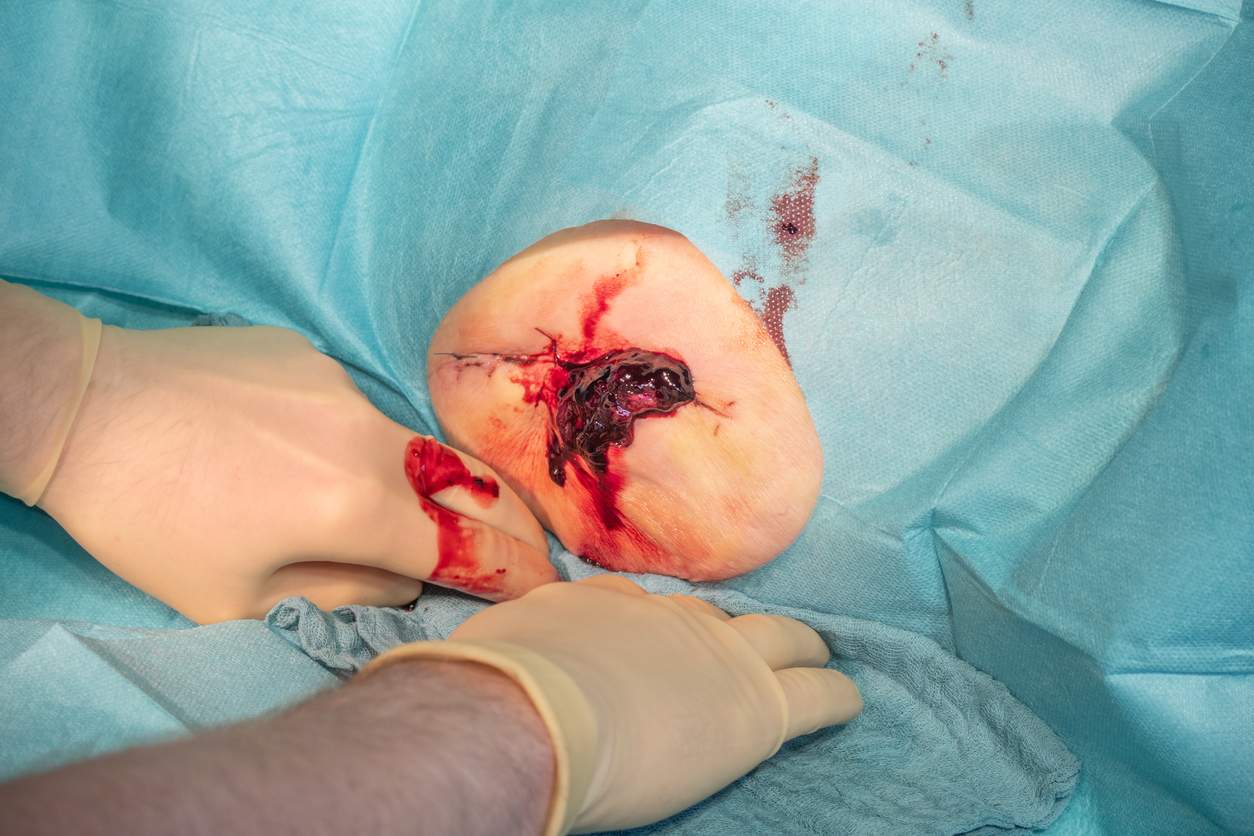
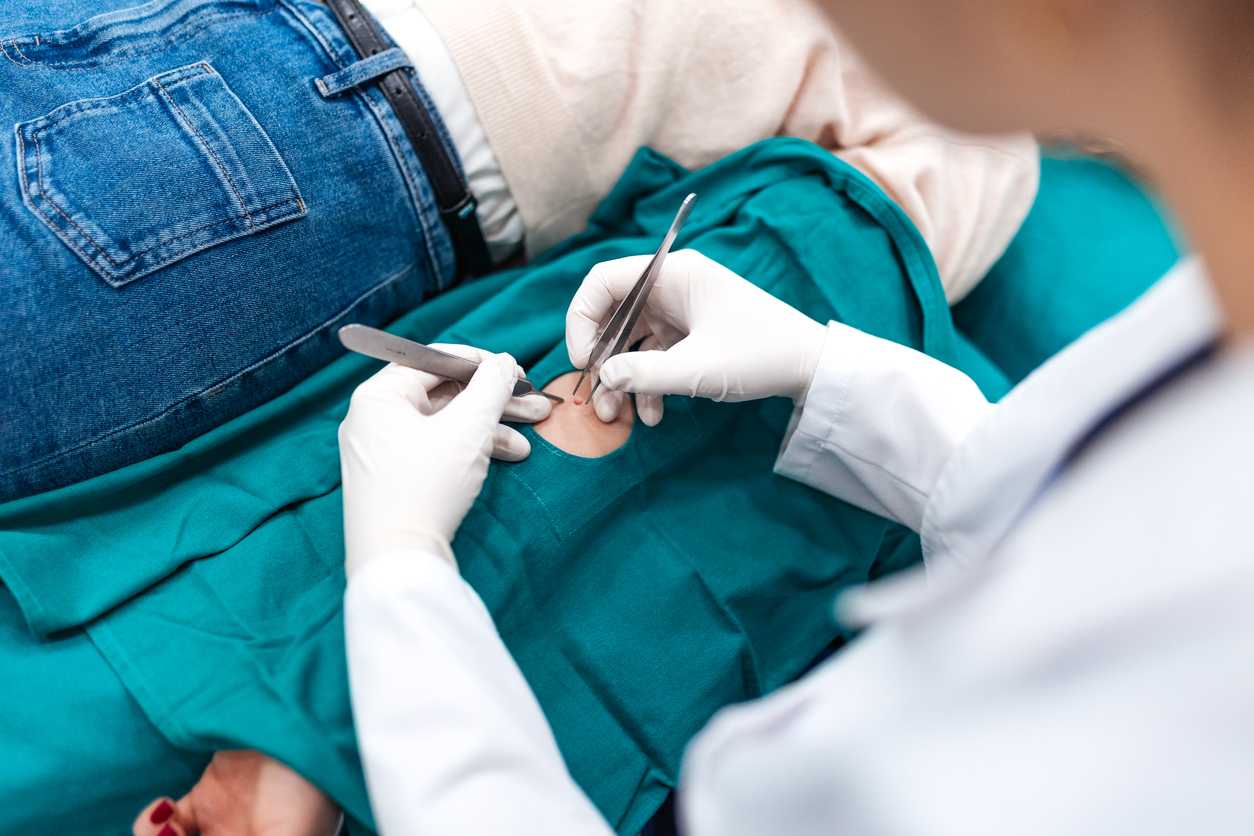
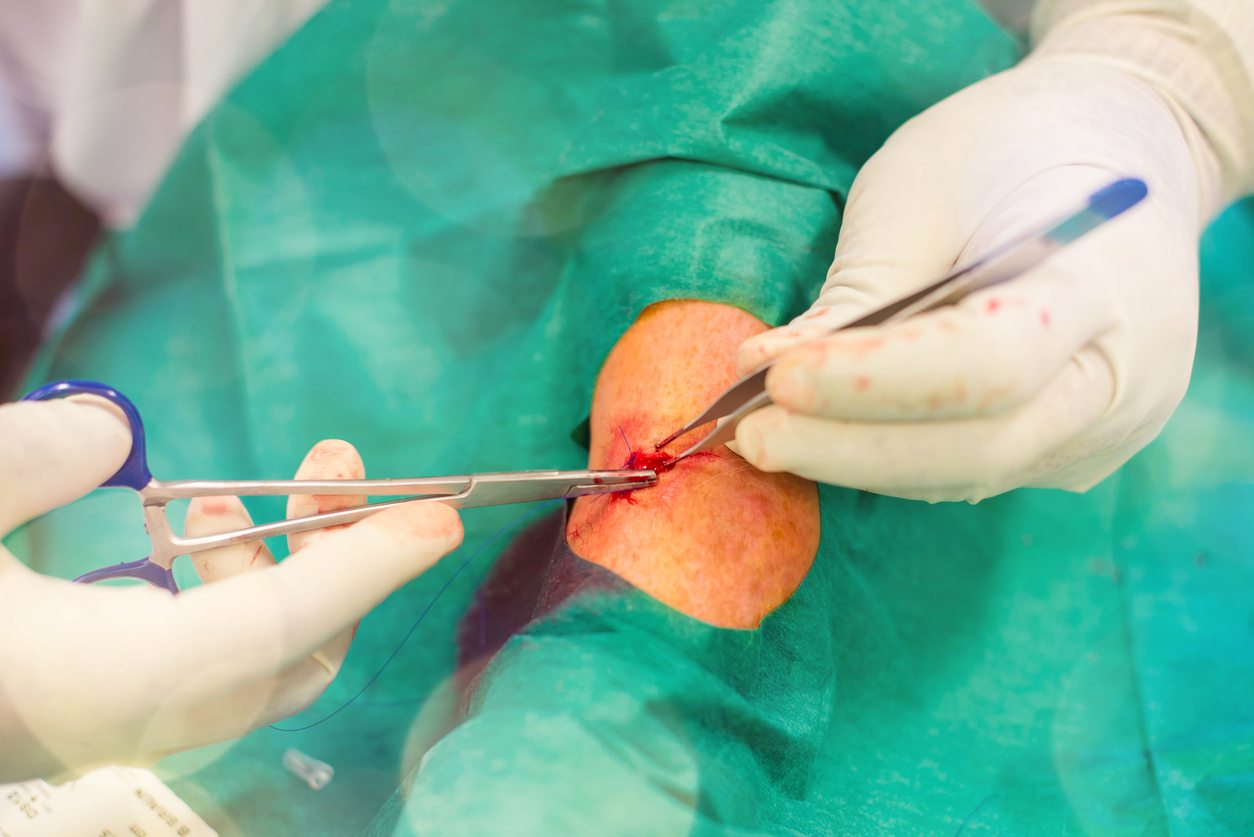
In this outpatient or same-day procedure, the medical provider would make a small incision allowing the cyst to drain itself of the fluid, hair, or debris trapped inside. It is important to note, cyst drainage is NOT curative. It is a temporary procedure to deal with an active infection of a cyst, not the cyst itself. After drainage, the cyst should revert back to its “normal” state within a couple of weeks. - Phenol injections:
Phenol injections apply chemicals into the cyst, with the goal of putting the cyst into an active healing state whichwould allow it to eventually close the cyst. Treatment time for phenol can vary, from a few weeks to a few months. Average is a couple of months. - Surgery:
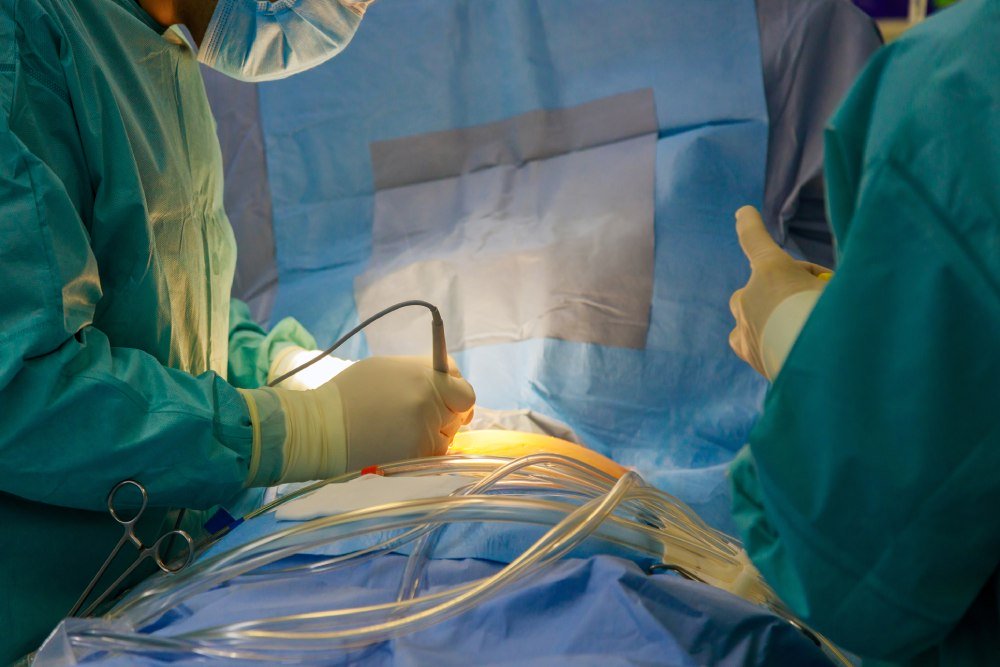
There are various surgeries offered. In the end, it is important to understand the cure rate of the specific surgery your surgeon is offering, and their comfort level with that particular approach. Each surgery has its own risks and benefits, which include the healing times and cure rates.
Post surgical prognosis
Proper aftercare is essential for full recovery as it helps ensure no further complications, and prevents the recurrence of pilonidal cysts. It is important to follow the aftercare instructions of the medical provider. After care might look something like this:
- Good hygiene:
Practicing good hygiene is possibly the most important and easiest way to care for your body. Showering regularly, cleaning the area with soap and water, and keeping the affected region dry are a few ways to ensure there is no unwanted bacteria build-up. - Breathable clothing:
Wearing breathable and loose fitting clothing may lessen the amount of friction applied to the area, thus reducing the risk of developing another pilonidal cyst. - Hair removal:
Since pilonidal cysts are mainly due to having thick, coarse hair in the buttocks region, hair removal seems like a logical precaution. There are different types of hair removal such as shaving, and hair removal serums, while laser hair removal is highly effective, wax is the most cost effective and accessible option.
The importance of maintaining good hygiene
Personal hygiene is the best way to combat chronic pilonidal disease, and is a practice that is totally in your control. Regularly cleaning the area (along with hair maintenance) can help keep unwanted bacteria at bay, and remove loose hairs and sweat from the skin of the buttocks.
Hair removal is an option
After diagnosis or medical intervention, your medical provider might recommend removing the hair from the affected area as any one hair can keep the sinus from healing and cause further complications. There are multiple options available. Depending on which hair removal option you chose, it might be necessary to continue that hair treatment until you reach the age 30. About this age is when body hair tends to thin out.
What is a colon and rectal surgeon?
Colon and rectal surgeons are medical experts that specialize in the treatment of diseases which affect the colon, rectum and anus. These specific types of surgeons have completed general surgical training, but specialize in the advanced surgical training in the treatment of colon or rectal diseases. Board-certified rectal and colon surgeons have to completed residencies in both general and specialized surgery, and are required to pass intensive examinations (all conducted by the American Board of Rectal and Colon Surgery).
For help with pilonidal disease, contact Dr. Allen Kamrava today!
Dr. Kamrava has years of experience and access to some of the most up to date technologies; he offers his patients compassionate care and dedication rooted in personal responsibility. Considered one of the best colorectal surgeons in the City of Los Angeles, Dr. Kamrava offers a number of noninvasive surgery, no-downtime treatments, as well as at-home remedies for issues affecting the colon, rectum and anus. A fellowship trained and board-certified surgeon, Dr. Kamrava has treated patients with colon cancer, hemorrhoids, pilonidal cyst, anal fissures, and as well as many other colorectal diseases.
If you are currently suffering from any colorectal conditions, please schedule an appointment today with Dr. Allen Kamrava or contact us at (424)279-8222. Find relief from the pain of Pilonidal Disease.
Specialties
Recent Pilonidal Q&A
OFFICE HOURS
Monday – Friday
9:00 AM – 5:00 PM
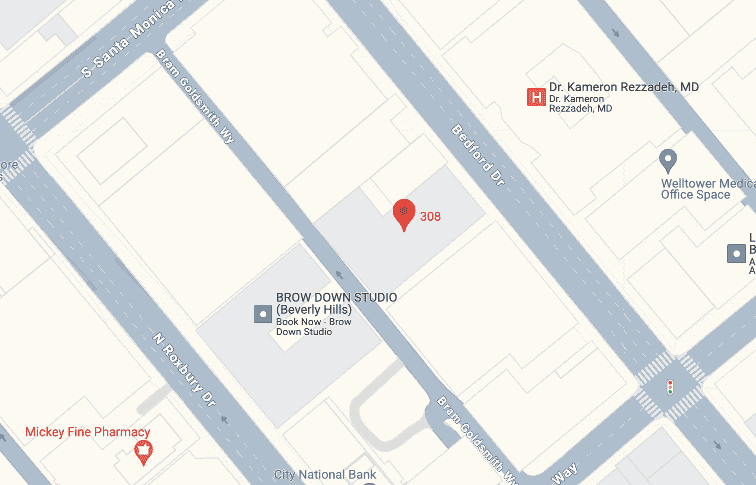
OFFICE LOCATION

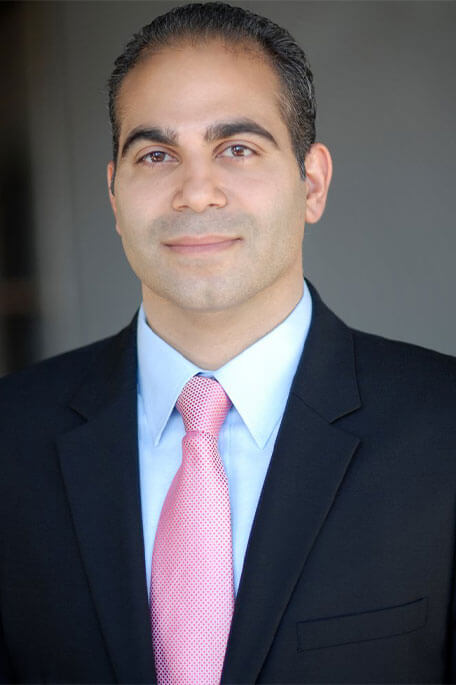
Meet Dr. Kamrava
MD | MBA | Board Certified General & Colorectal Surgeon
When it comes to treating colorectal conditions, few surgeons are as experienced or as dedicated to their craft as Dr. Allen Kamrava. Fellowship trained and Board-certified in colorectal and general surgery, Dr. Kamrava has years of experience treating various colorectal conditions, including colon cancer, anal fissures, fistulas, hemorrhoids, and more, providing patients with compassionate care and life-changing results. Along with his intensive experience in the colorectal field, he is an associate teaching faculty in the Department of Colon and Rectal surgery at Cedars Sinai Medical Center, which in 2022 US news ranked as the number one center in California for Colon and rectal Surgery, and ranked second in the nation.
With years of experience, access to some of the most cutting-edge procedures available, and a strong sense of dedication to patients, Dr. Kamrava is the premier colorectal surgeon in Los Angeles. Schedule an appointment today by calling (310) 439-9914.

SUCCESS STORIES