
A pilonidal cyst medical treatment is a pocket that grows under the skin, commonly around the top of the buttock crease. While few cysts will develop symptoms and remain small, others can become infected, painful, and full of pus. Medical intervention is designed to alleviate discomfort, eliminate infection, promote healing, and reduce the risk of subsequent attacks. The safest way to avoid the problem getting worse is if you suffer from persistent discomfort, drainage, or swelling – consult a professional.
What Is a Pilonidal Cyst?
A pilonidal cyst becomes formed when loose hairs or debris get trapped below the skin. Eventually, the body begins to perceive these substances as objects that are not our own which results in inflammation and cysts or abscess formation. It is most prevalent in young adults and often arises in individuals who remain sitting for long periods of time, have coarse body hair or are frequently faced with friction in the area.
When an infected pilonidal cyst develops, the patient may develop considerable pain, redness, swelling, warmth, drainage of blood or pus and an unpleasant smell. Some patients will even develop fever, if the infection becomes more serious.
What Is Your Diagnosis of A Pilonidal Cyst?
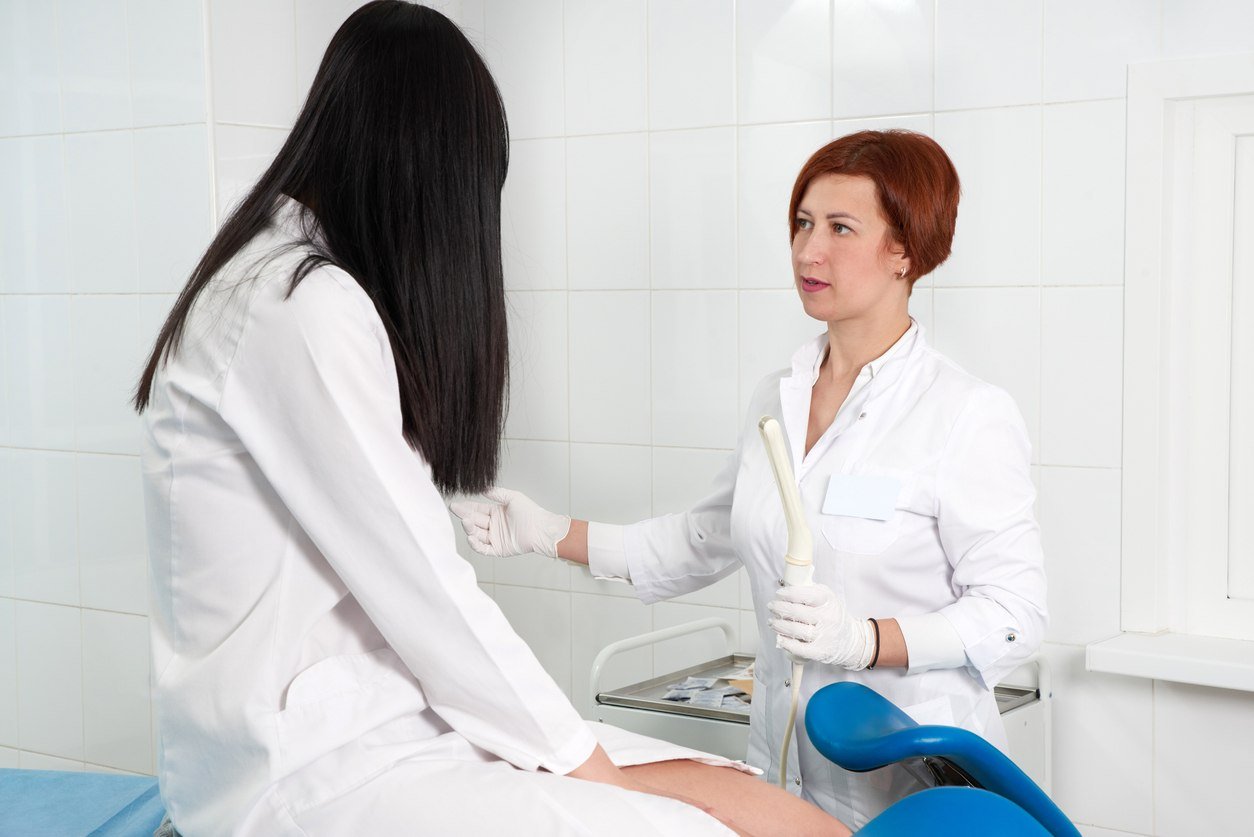
Typically, diagnosis initially starts with a physical examination. The doctor checks the area for swelling, drainage, skin openings in the body known as pits, and signs of infection. Most patients do not require imaging or laboratory testing due to unique phenotypic presentation of a pilonidal cyst.
If the infection seems massive or the symptoms indicate another root diagnosis, sometimes more imaging studies should be done.
When You Need to Get Medical Care?
Not every small pilonidal cyst needs immediate attention, however, if you develop increased pain, swelling, drainage, recurrent infections, or trouble sitting comfortably, you should consult with a doctor.
Patient delayed treatment may let the infection spread while putting discomfort above treatment, making future treatment more complicated.
Conservative Medical Treatment
For less severe cases without a major abscess, conservative therapy can reduce symptoms. Your physician may suggest keeping the area clean and dry, trimming hair off of the affected area, preventing any type of extended sitting at all possible, as well as utilizing over-the-counter pain relievers to dull pain.
Shaving or laser hair reduction might also help decrease the threat of next episodes by reducing the volume of loose hair that can get stuck under the skin.
Antibiotics For Pilonidal Cysts
Most patients thought that antibiotics alone to treat an infected pilonidal cyst, but this is not the case. In certain situations, antibiotics can help with surrounding skin infection, primarily when redness stretches beyond the cyst or other medical conditions that can increase the risk of infection are involved.
But antibiotics can never effectively clear away the stuck hair, debris or pus stuck inside an abscess. A drainage is typically required if there is pus build-up for relief.
Incision and Drainage
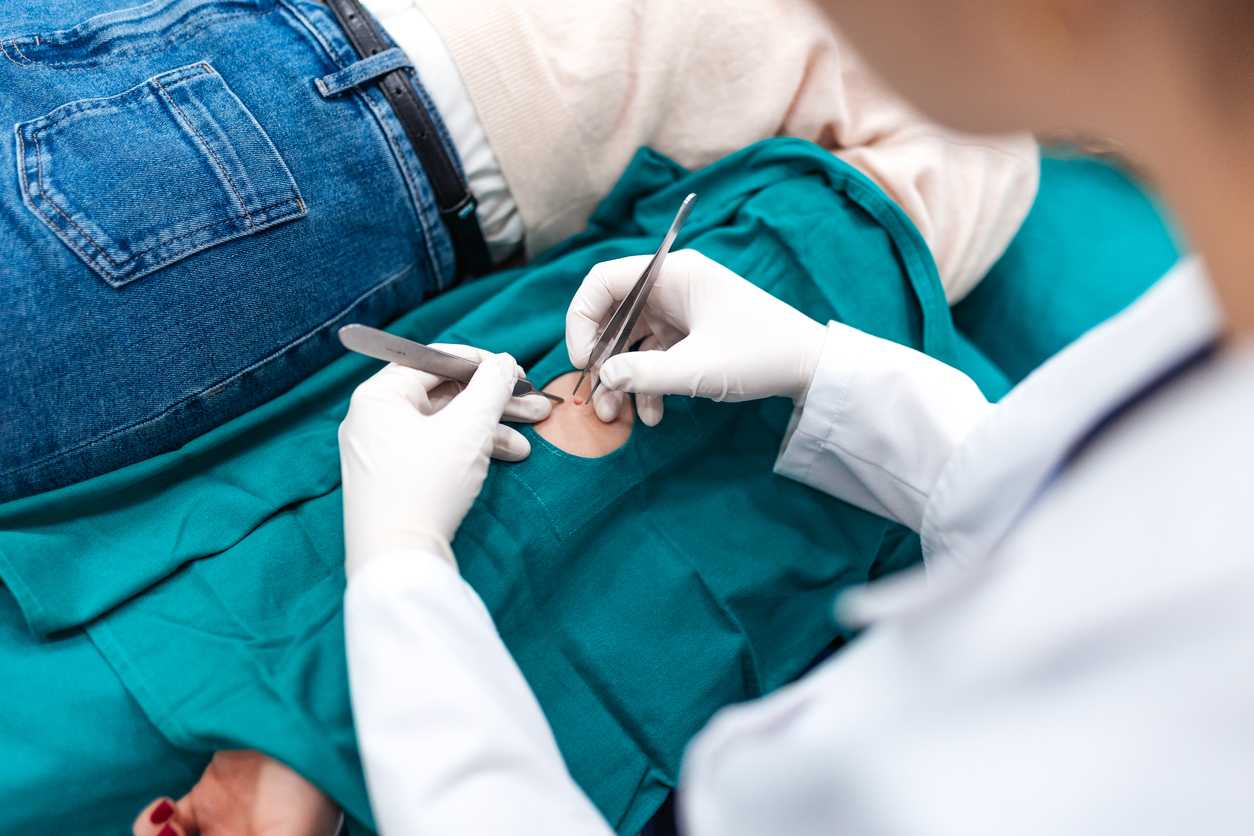
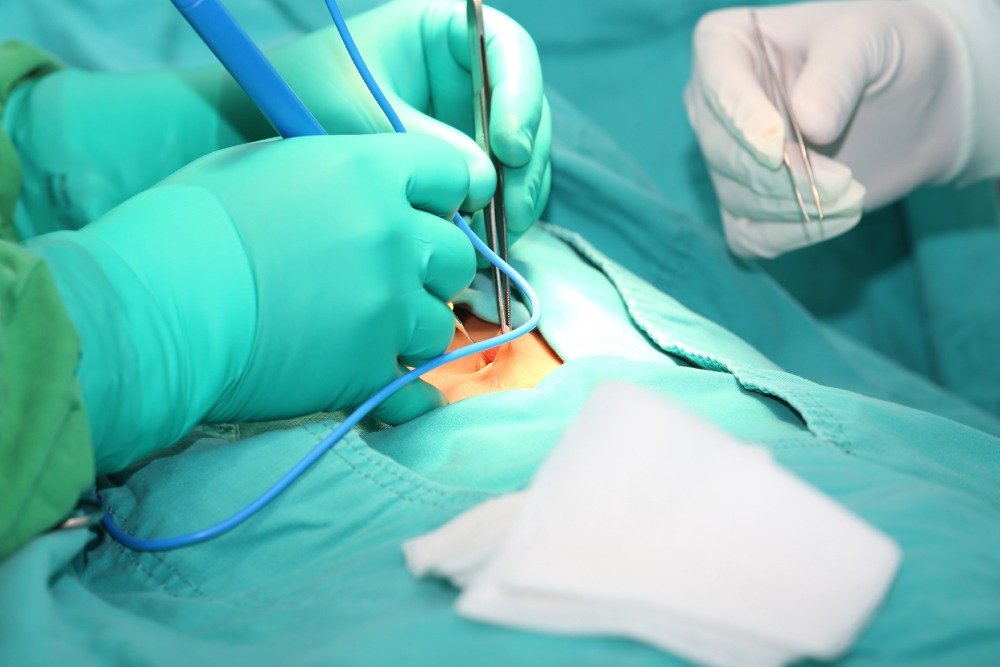
Incision and drainage are one of the most common treatments for pilonidal cyst development into an abscess. Typically undertaken in an outpatient medical office with local anesthesia a minor incision is made to release pus that has been trapped; the pressure is relieved and pain goes away almost at once.
The area is then cleaned thoroughly and in certain cases the wound is gently packed to help it heal from inside out.
While incision and drainage are successful in controlling the acute infection, they do not prevent the formation of cysts later.
Surgical Management of Repeated Pilonidal Disease
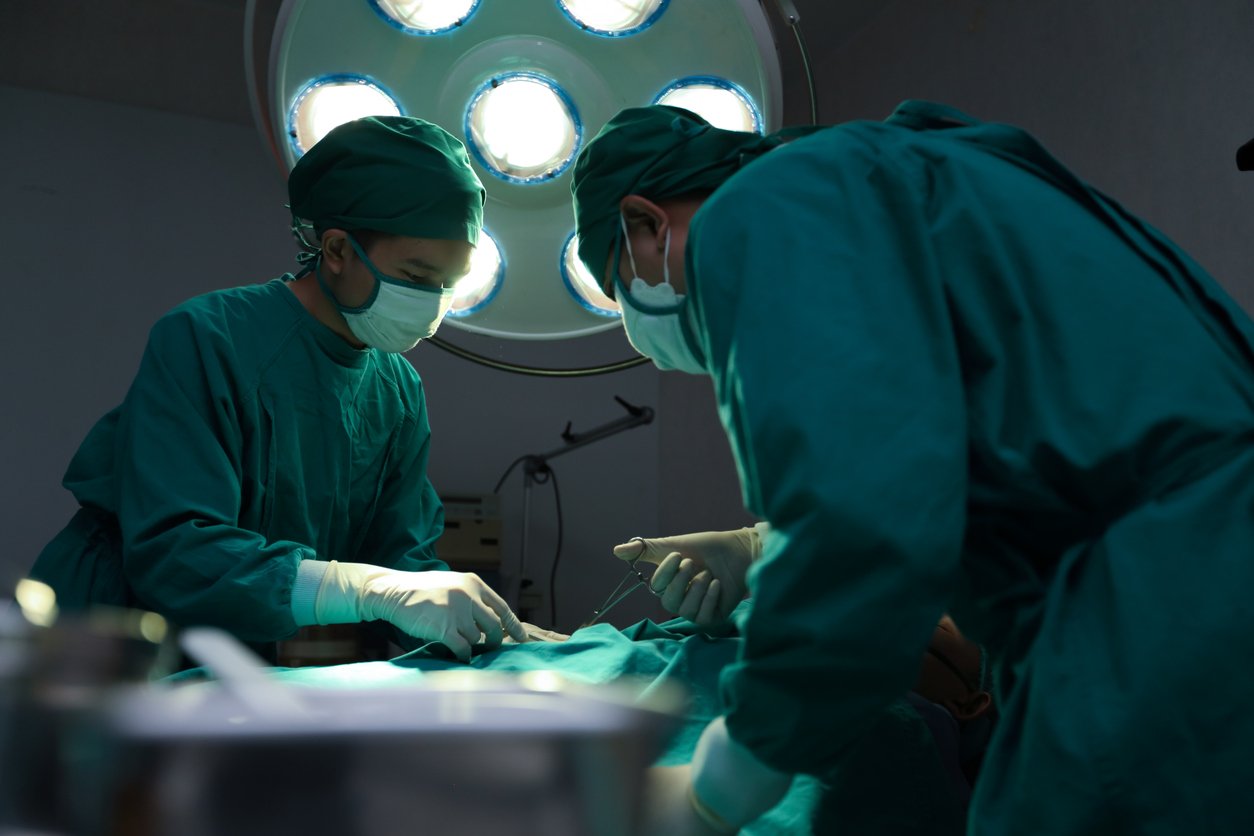
Patients who have repeated infections or chronic drainage may benefit from definitive surgery. There are various operations, and the most appropriate treatment varies based on the severity of the disease and the history of the patient.
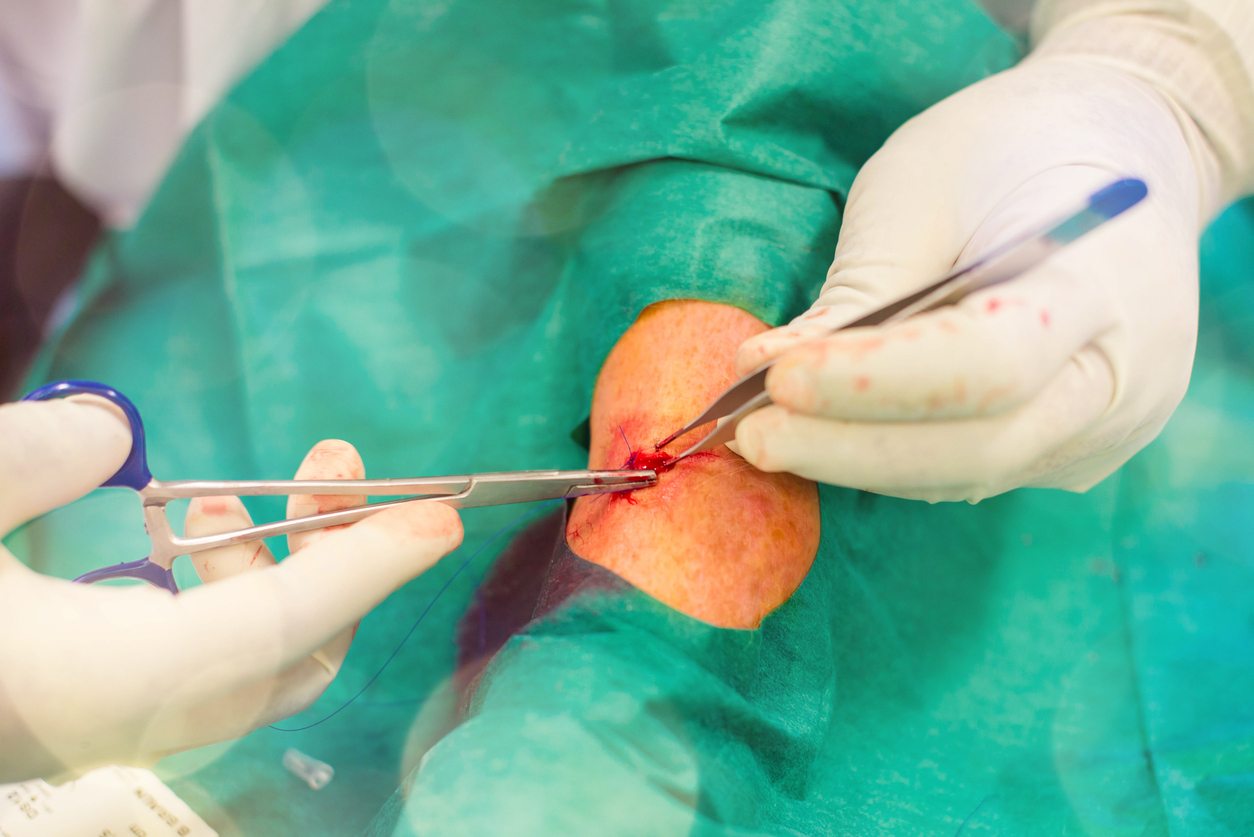
One method is removing the cyst itself along with the associated tissue as the wounds take time to heal. Another way of closing the wound is to remove the tissue from the wound; it may be possible to relocate the incision away from the midline to alleviate tension and reduce chances of recurrence.
Some surgeons also do minimally invasive techniques — removing hair and infected tissue by means of microscopic openings. These procedures may mean less postoperative pain and quicker recovery for certain patients who are carefully chosen.
Your surgeon will recommend appropriate treatment in accordance with your individual circumstances.
Recovery from Medical Treatment
Recovery varies according to the type of treatment performed. Patients who experience simple drainage often find immediate pain relief. But the wound must continue to be tended to while it heals out.
More extensive surgery may require several weeks of healing, particularly if the wound is left open. During recovery, patients are typically advised to keep areas clean, change dressings as instructed, refrain from exerting undue pressure around the surgery site, and have follow-up sessions to check healing.
Most can return to usual daily life slowly, and strenuous exercise needs to be postponed until healing is well-established.
Can Pilonidal Cysts Return?
This is unfortunate; recurrence is the primary issue due to pilonidal disorders. But new cysts can form if hair and debris continue to settle below the skin, even after successful intervention.
Good hygiene, decreasing friction, shedding extra hair, not putting extended force on the area, and following your provider’s postoperative guidelines can significantly lower your chances of a repeat in the future.
FAQ
Do Not Ignore Persistent Pilonidal Cyst Symptoms
A painful pilonidal cyst may also disrupt work, exercise and everyday life. Good news is that effective medical treatments – from conservative management and drainage options to invasive surgery for recurrent disease – are available to treat multiple health system.
Prompt treatment can relieve discomfort and reduce the risk for serious infection, returning to your life with more confidence. For continued pain, swelling, or oozing near the tailbone, make a medical appointment and see an appropriate healthcare provider in order to decide the right treatment for your condition.
Specialties
Recent Pilonidal Q&A
OFFICE HOURS
Monday – Friday
9:00 AM – 5:00 PM