
Few conditions are as frustrating as a pilonidal cyst. What begins as a tender spot near the tailbone can become a painful issue that prevents you from sitting, exercising, driving and even sleeping. For most individuals, the illness initial”y disappears and, weeks or even months afterwards, the condition is back – adding to the pain and ambiguity. There is good news however that pilonidal cyst treatments have made strides in recent years. Whether you’re on treatment for your first cyst or are dealing with repetitive infections, knowledge of current treatment and guidelines can help you recover from these diseases and avoid future complications.
What Is a Pilonidal Cyst?
In the lower portion of the body, a pilonidal cyst is a pocket under the skin found at the top of a crease on the buttocks. The common reason for causing this occurs is hair growing from follicles causing friction, sitting too long, and skin irritation. Over time, hair and other debris collect under the skin, which starts to swell and burst, igniting inflammation and an infection. When infected, a pilonidal cyst has a tendency to swell, turn red as well as become very painful. There is also pilonidal cyst drainage of blood or pus, a foul odor, fever, or trouble sitting comfortably. Pilonidal disease may affect anyone, but most often occurs in teenagers and early 20s: Those who sit a lot or who have thick hair typically suffer from a higher incidence of infection.
Why Do Pilonidal Cysts Repeatedly Return?
The most aggravating thing about pilonidal disease is that it has a quick turn around. There is also an assumption by many that after an infection drains, the problem is gone. Sadly, the underlying tract or cavity underneath the skin may remain. Hair, bacteria and dead skin cells can persist in building up inside the site, prompting multiple infections. Repeated flare-ups can become more frequent and more severe over time, especially if treatment isn’t done. This is why treatment plans that take a longer-term approach seek to address the long-term problem and may include not only symptom relief and prevention, but also solving the cause.
When Is Home Care Appropriate for Your Age?
Not all pilonidal cysts should be surgically addressed. Moderate irritation or early symptoms may respond to conservative management. Warm compresses may be appropriate to alleviate discomfort and promote drainage if a bacterial infection is starting. Maintaining the area clean and dry also can help ease irritation. Some healthcare providers advise careful hair removal at the site of injury, in case you have affected it, so that additional hairs are not trapped. However, if there is a substantial number of painful patches that need professional medical evaluation, it shouldn’t be treated at home or with home remedies rather than a professional medical referral. Untreated infection can worsen and eventually need extended treatment.
What is Treatment for Pilonidal Cysts Infected by an Infection?
When a cyst becomes infected and develops an abscess, treatment typically focuses on relieving pressure and getting rid of the infection. An incision and drainage is one such procedure done by a healthcare provider. This allows a tiny opening to allow pus and infected material to drain out. Patients do feel relief immediately, as the painful pressure inside the cyst is relieved. While an incision and drainage are capable of removing an active infection, they do not remove the cyst that causes the infection per se. Subsequent, additional treatment may be necessary if symptoms persist.
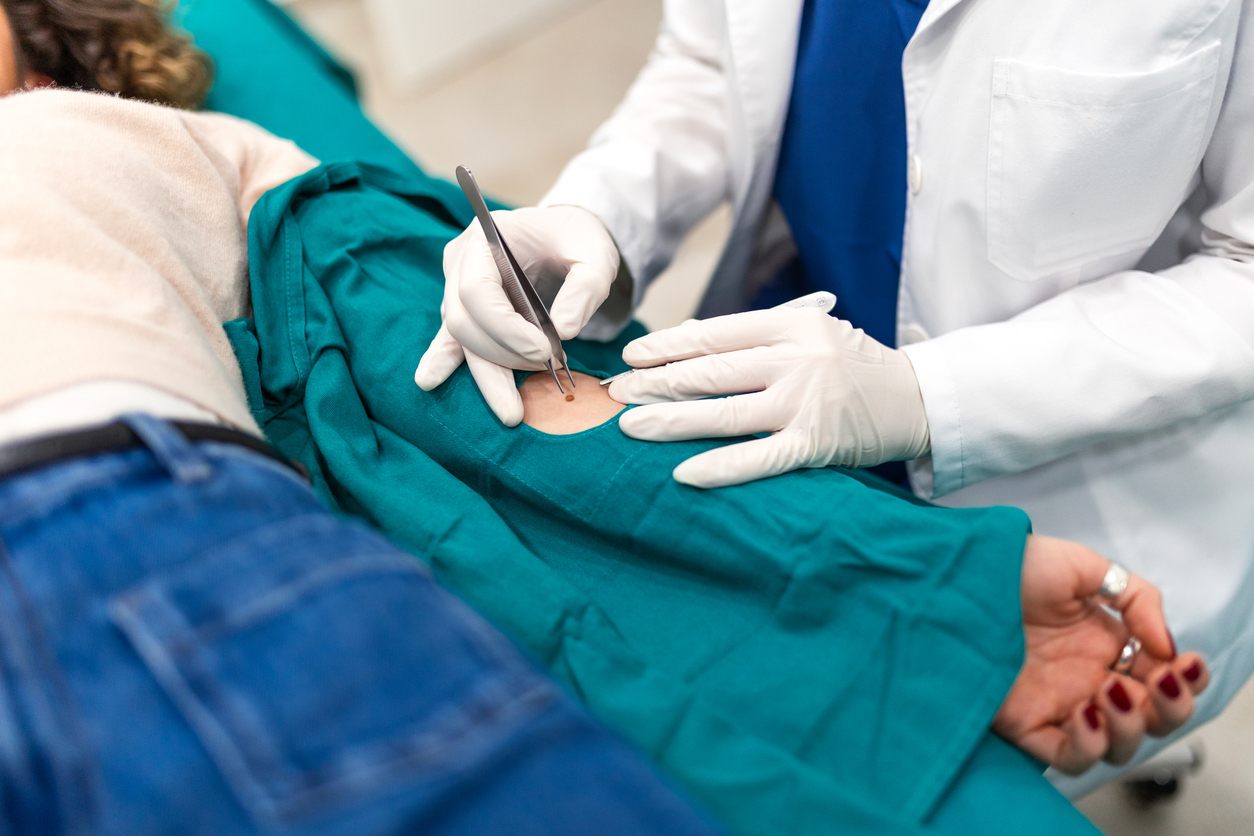
What Surgical Options Exist for Patients with Chronic Pilonidal Disease?
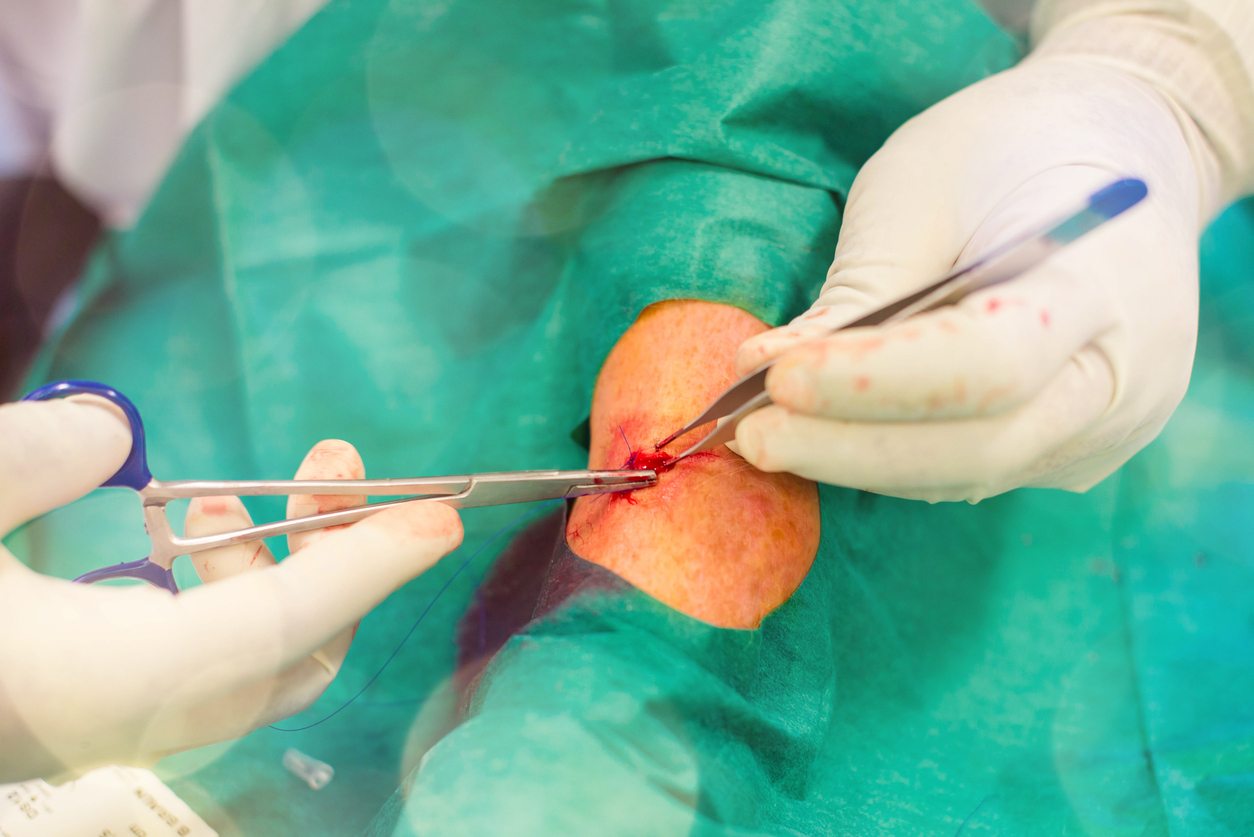
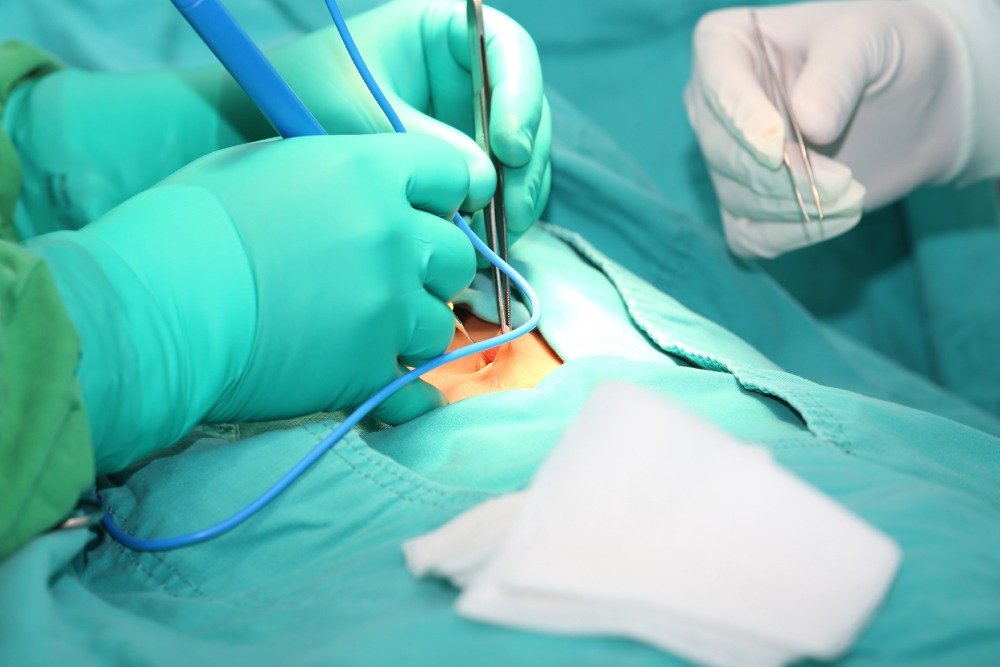
Long-term or complicated chronic pilonidal disease may be best treated with surgery in the long term. The cyst and surrounding injured tissue are surgically removed. The wound can be left to heal naturally or closed and stitched up, however severe the disease is. Surgeons have evolved techniques in recent years to help with healing and minimize recurrences. In such procedures, the incision is placed further from the middle of the buttocks crease, where moisture and friction may lead to recurrent infections. The surgery will vary according to the cyst size, the number of sinus tracts left, history of previous treatments and overall patient condition.
Is Pilonidal Cyst Treatment Minimally Invasive?
New advances in medicine resulted in more gentle approaches for some individuals with pilonidal disease. Some specialists now provide treatments that employ small instruments to extract hair, debris and infected tissue through small openings in the skin. Smaller wounds, less postoperative pain, and quicker recovery than performing a conventional surgery have been observed. Not every patient is suitable for treatment with minimally invasive techniques, but in some cases they have become of interest. A discussion with an experienced practitioner will dictate if a less invasive option is a good idea.
How Long Does Recovery Take?
The level of recovery depends on the pilonidal abscess treatment given. Those who undergo simple drainage procedures usually return to normal activities relatively quickly. More significant surgeries can take longer to heal, especially if open wounds are allowed to heal from the inside out. It is imperative to follow postoperative orders. Proper wound care, hygiene and hair care can dramatically affect the healing outcome and also diminish the likelihood of a recurrence. Most clinics also recommend that patients refrain from prolonged pressure on the area during recovery whenever possible.
Can Pilonidal Cysts Be Prevented?
Not every infection can be avoided, but certain strategies potentially make future problems less likely. Hygiene, dryness, friction avoidance, and excess hair management may all help. Those who spend long hours sitting may find that frequent movement breaks throughout the day may also help. To reduce risk factors for persistent pilonidal disease, weight management and lifestyle changes have proven effective. Long-term prevention strategies may be best discussed with a healthcare provider for those who have had multiple infections – they tend to appreciate individual recommendations for the best results.

When Should You See a Doctor?
Don’t ignore ongoing pain at the tailbone. An early diagnosis can prevent future complications and reduce the need for extensive treatment later. Symptoms that might warrant medical intervention include increased pain, redness, swelling, drainage, fever, or repeated infections. Getting care would mean faster resolution and more treatment options.
Conclusion
The pilonidal cyst may leave the affected person feeling physically uncomfortable and emotionally drained when symptoms return. Fortunately, there are more comprehensive types of treatment for pilonidal cysts than ever before and treatments for the condition range from conservative management and drainage to surgical or minimally invasive treatments. The key is to make a proper diagnosis and determine a treatment plan just for you. If properly maintained, many patients obtain long-term relief, return to conventional activities, and escape from recurrent pilonidal infections.
Specialties
Recent Pilonidal Q&A

OFFICE HOURS
Monday – Friday
9:00 AM – 5:00 PM