Pilonidal cyst surgery is the best treatment for chronic or recurrent pilonidal disease. Pilonidal cysts are treated conservatively or treated with a simple incision and drainage if infected and surgery is necessary if the disease returns in the future or causes continuous pain and develops multiple sinus tracts under the skin. Pilonidal cyst surgery is to get rid of the infected tissue and prevent infection in the future and help patients return to their daily life with fewer symptoms after surgery. Knowledge of how a pilonidal cyst operation video is done can reduce anxiety before surgery and help with recovery. All patients are different and what your doctor would recommend will depend on the severity of the disease. There are now more than one treatment option for surgeons today: minimally invasive, more advanced ones for complex or recurrent disease.
When Is Pilonidal Cyst Surgery Necessary?
Not all pilonidal cysts have to be operated on. Most cysts are not quite so bad and most are treated with minimal hygiene and hair removal and can be treated in a non-immediate fashion.
If a pilonidal cyst is still infected, drains and causes pain and discomfort over time, surgery is the best long-term treatment for it.
Most patients are referred to a doctor from an abscess at the tailbone as a first step. While treatment of abscess relieves pain and pressure, it will not remove the pilonidal sinus. The patient’s recurrent infections will continue to cause the disease to result in a more definitive pilonidal cyst surgery.
You may be recommended for surgery if you have frequent flare-ups, ongoing drainage, multiple sinus openings, chronic pain, or disease that is still present after treatment. The job is to get rid of the abnormal tissue and minimize the possibility of the disease returning later.
Pilonidal Cyst Operations
Pilonidal disease can be treated with different surgical procedures. The best option depends on the depth of disease and if this is your first episode or a recurrent disease.
One of the simplest is incision and drainage when the pilonidal abscess is actively infected. The surgeon opens a small hole in the abscess to remove infection and relieve pressure. This provides some relief but doesn’t completely destroy the sinus tract and surgery is required if symptoms persist.
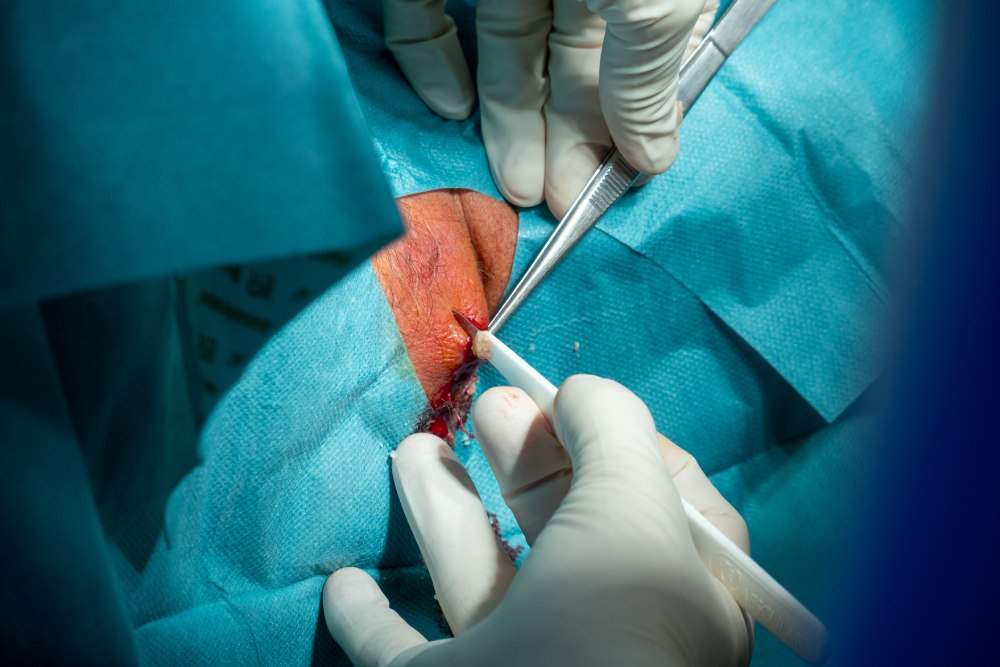
When chronic disease is present, surgical removal is most commonly used to relieve them. The pilonidal cyst and the affected tissue and sinus tracts are removed from the skin at the time of removal. Depending on the person, the wound can be left open to heal or closed with stitches.
If the wound is left open, healing usually takes longer but healthy tissue forms from inside out. This may eliminate bacteria in the skin during the healing process.
Primary closure (in which the incision is closed immediately after the cyst has been removed) may be a case of the patient having a successful surgery.
Flap procedures can be helpful for recurrent or complex pilonidal disease. Such operations remove diseased tissue and reposition healthy skin and tissue to flatten the buttock cleft. By reducing the depth of the cleft, surgeons may eliminate friction, moisture, and hair buildup, which contribute to future pilonidal disease.
Minimally invasive surgery is available for some patients. These procedures remove hair and treat the sinus tract while keeping healthy tissue intact and usually require less postoperative discomfort and faster recovery (but not for everyone).
Pilonidal Cyst Operation Planning
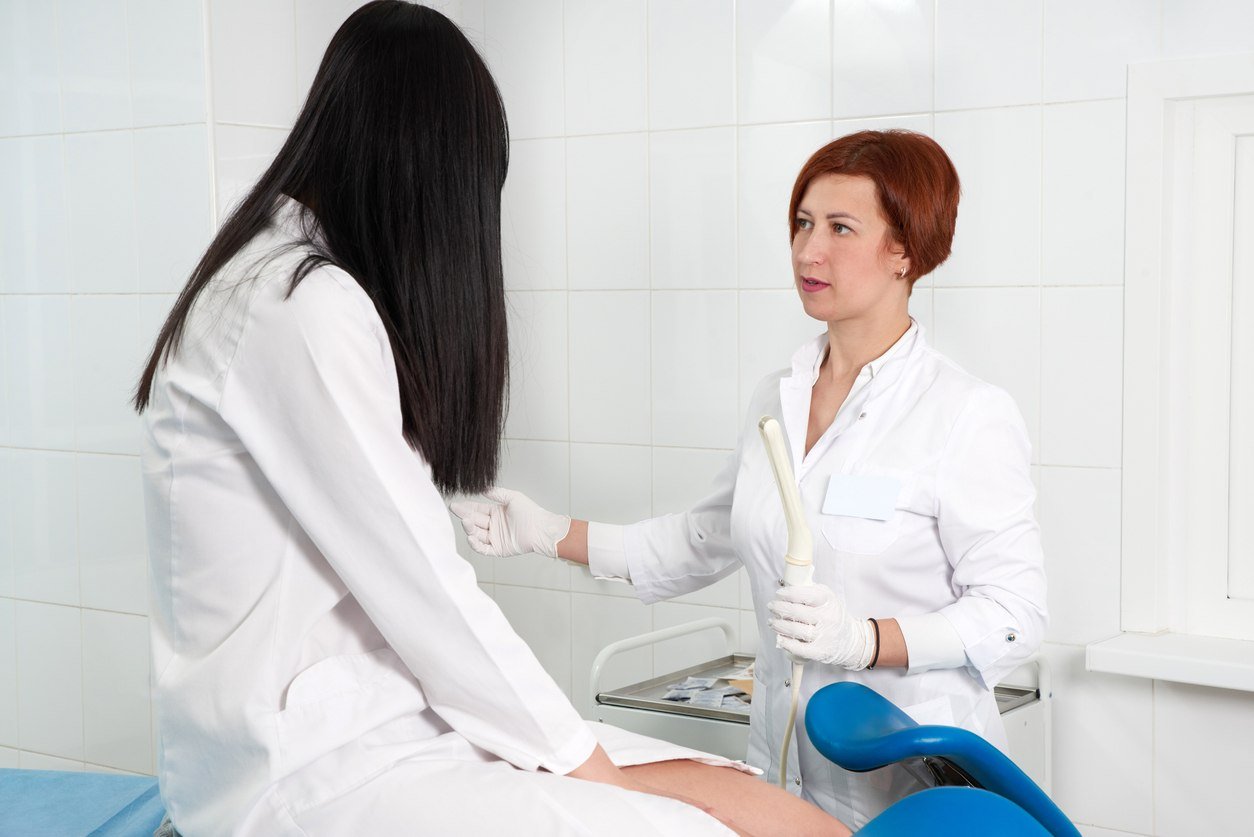
You will be asked by your surgeon to describe your history before surgery and he will decide what is the best treatment plan.
You will be given prescribed medications, information on eating and drinking before surgery, and transportation home if anesthesia is used.
And it’s a good time to communicate recovery plans, activity restrictions, wound care, and follow-up appointments.
If you have those clinical plans and expectations in place before surgery and you have the capacity to do so, you can decrease the risk of complications and make surgery less painful.
What Happens During Surgery?
Most pilonidal cyst operations are outpatient and patients return home the same day.
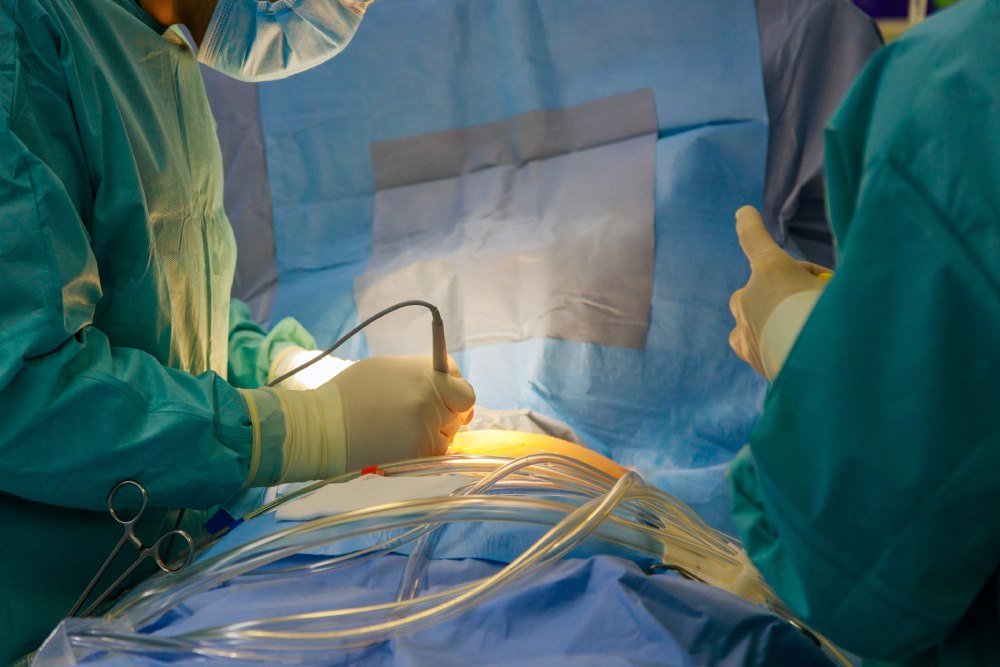
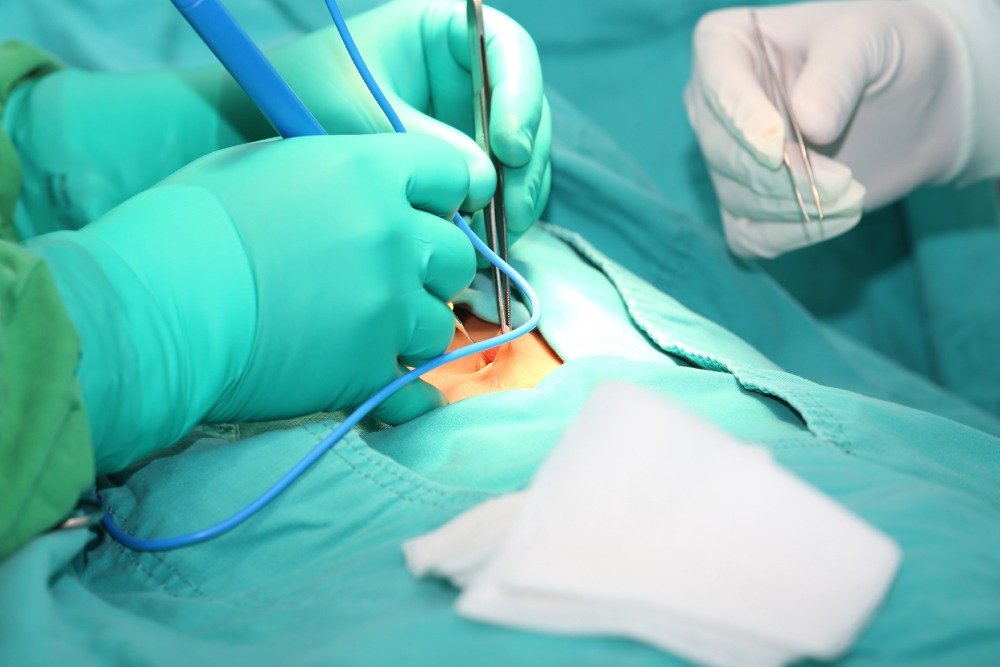
Local anesthesia, sedation, or general anesthesia can be applied during surgery to remove infected tissue, sinus tracts, trapped hair, and debris that cause pilonidal disease depending on the surgical method and type.
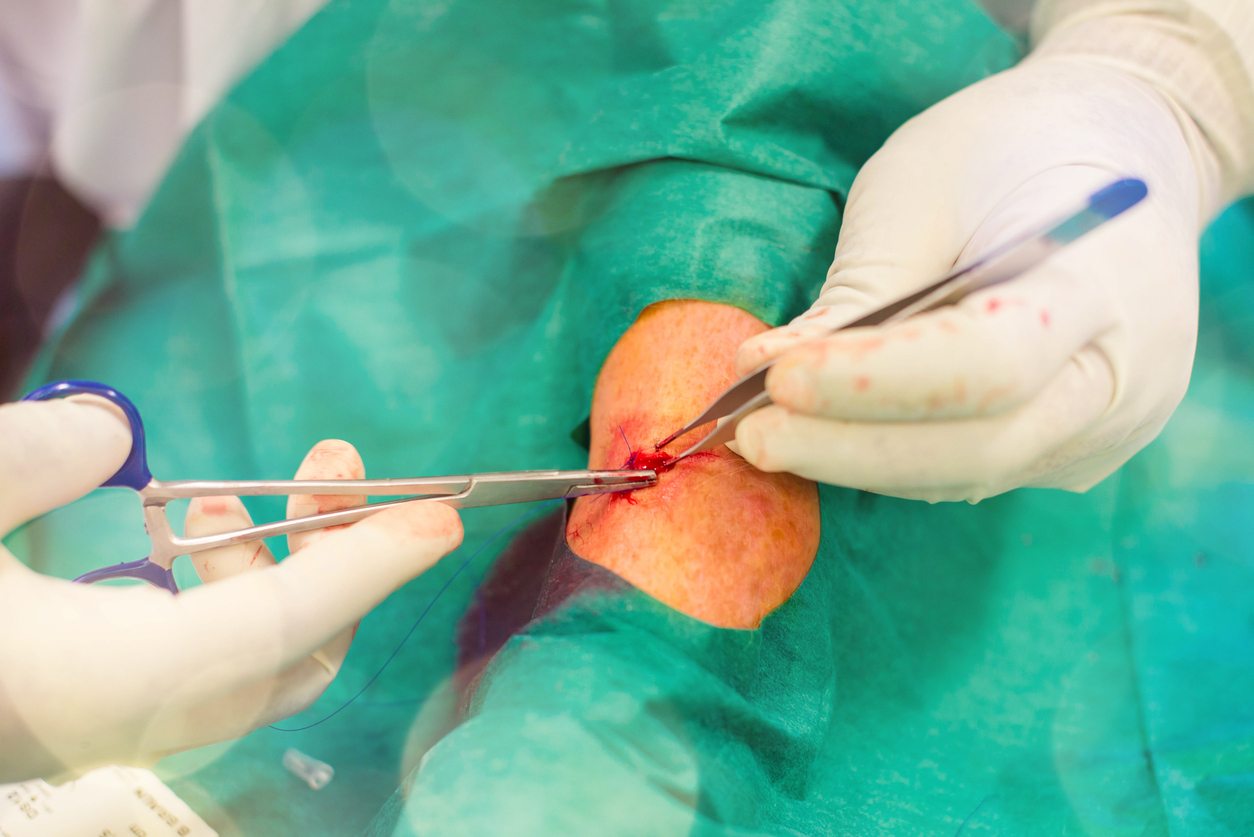
Stitches are applied before a dressing is applied if the wound is closed. If the wound is left open, special dressings are put on the surgical site to keep it clean.
Depending on the nature of the disease and how the surgical technique is being applied, the operation can take less than an hour to complete, but often can take less than an hour.
Recovery of a Pilonidal Cyst Operation
Recovery is predicated on the type of surgery. In the case of closed wounds, the wound is quicker to heal, while in the case of open wounds, the wound takes longer to heal from the inside out.
The surgeon can give you a prescription and over-the-counter pain medication. Pain is expected for a couple of days after surgery, but usually goes away.
Rehabilitation is all about cleaning the surgical site. Dressing changes, proper hygiene, and follow-up appointments are all important. Your doctor may also recommend that hair in the surgical area be removed in order to stop recurrences.
Most patients are told to walk immediately after surgery, but heavy lifting, prolonged sitting, or other activities are not safe until the healing is complete.
How Long Does It Take for Recovery to Take Place?
Patients with open incisions will usually return to work one to two weeks after surgery, but for more physically demanding jobs, it is much longer.
Open incisions are more difficult to recover from, and patients may have a slower recovery time which can take several months. If the disease was very serious before surgery, it might take a few months to heal fully.
Your surgeon will be monitoring your recovery at follow-up visits and will tell you when it’s possible to go back to normal life.
Can a Pilonidal Cyst Return After Surgery?
A pilonidal cyst can be removed from the body and the disease cured, but there are still possibilities of future infections.
Disease severity, surgical technique, wound healing, body hair, and individual anatomy will all affect the chances of recurrence.
Many surgeons recommend keeping the area clean and dry and removing excessive hair after recovery to minimize the chance of another pilonidal cyst developing. Following your surgeon’s postoperative instructions may also have a long-term effect.
Since pilonidal disease varies from patient to patient, it is important to choose a surgeon who regularly treats this condition and is experienced in this field. They can assess the extent of your disease and recommend the surgical treatment that is most effective for healing, comfort, and long-term success as a colorectal surgeon or general surgeon.
The more advanced surgical techniques that are used today, the more patients will be able to have lasting relief when properly treated.
Set Up an Evaluation for a Pilonidal Cyst Operation
If you have ongoing pain, persistent infection, persistent drainage, and a pilonidal cyst that hasn’t settled after treatment, it’s time to talk about surgery.
A thorough evaluation can help determine if a pilonidal cyst surgery is a good option.
With the right procedure and the right postoperative care, most people recover and return to their daily lives with full confidence and go back to life as if in comfort with the right care.
Specialties
Recent Pilonidal Q&A

OFFICE HOURS
Monday – Friday
9:00 AM – 5:00 PM