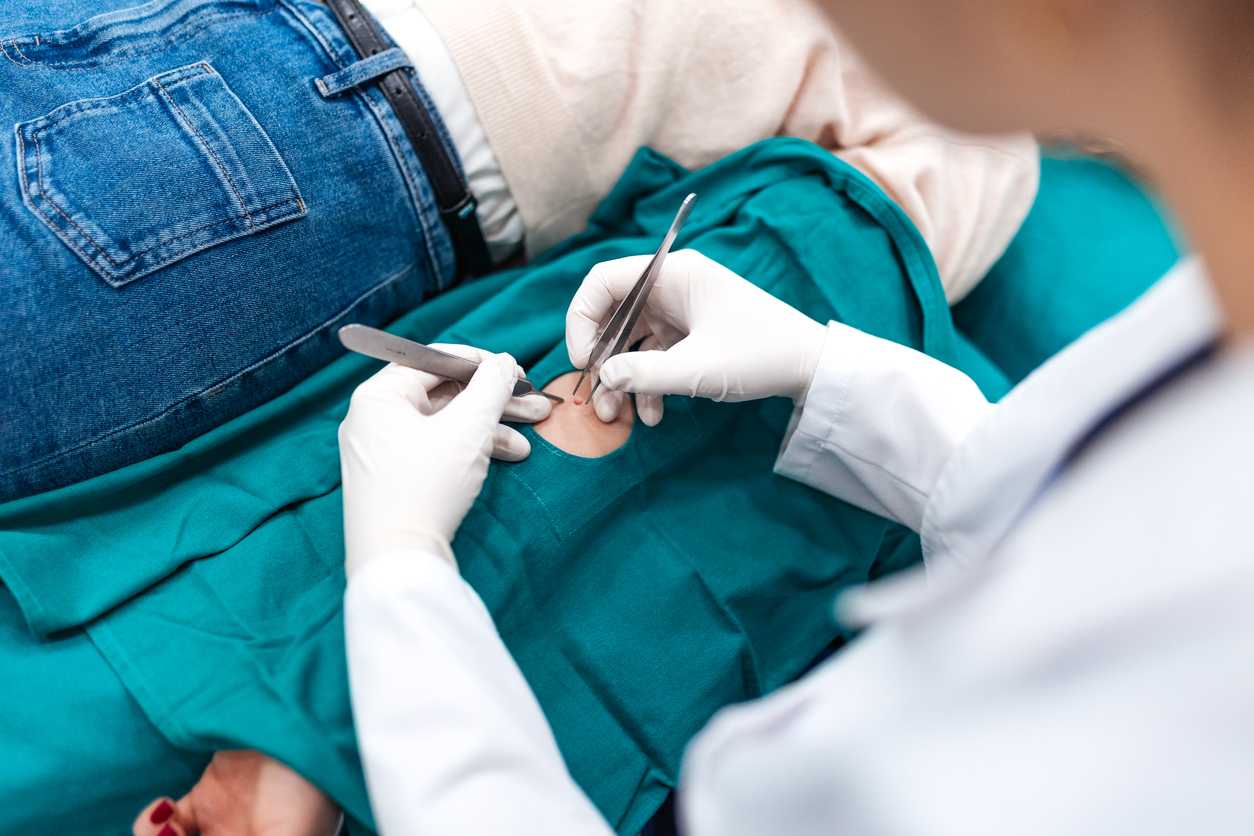
Pilonidal cyst surgery can reduce recurrent infections, painful swelling and drainage near the tailbone. But removing the cyst or treating the affected sinus tracts is only the first step in healing. Recovery is not just waiting for an incision to close. The body has to rebuild damaged tissue, rebuild healthy skin and recover from inflammation.
How do you heal after Pilonidal Cyst surgery?
The body begins rebuilding tissue almost immediately after surgery. Blood clotting is used to help keep bleeding down and the immune system prepares to deal with the surgical wound and starts to get rid of damaged tissue.
New tissue is formed in the next few days after surgery and the body repairs the site of damage. Blood vessels are formed to provide oxygen and nutrients and collagen is formed to soften the healing wound.
The last stage is remodeling in which new tissue is strengthened and is an improvement process. This process can take place once the wound looks like it’s closed.
Pilonidal surgery recovery is a matter of surgical technique vs. original disease, and if a cut and stitches will open or close a wound.
Wounds heal from the Inside Out.
Pilonidal surgery wounds heal from the inside out. One of the major differences between pilonidal surgery techniques is the way the wound is treated after surgery and care for the post-surgery.
Some surgical techniques remove the affected tissue and leave the surgical wound open; it is a surgical procedure that might remove the tissue but still leaves the surgical wound open. This is the way the skin heals as a result of secondary intention and not in a surgical procedure in which the wound is closed.
The body can slowly heal the wound by producing new tissue that expands the skin from the bottom to the top of the skin. Granulation tissue begins to form on the surface and fills in the skin.
That prevents the skin from closing prematurely over an unhealed cavity where fluid or debris might be kept inside.
Open wounds may take weeks or months to heal completely, depending on the size and depth.
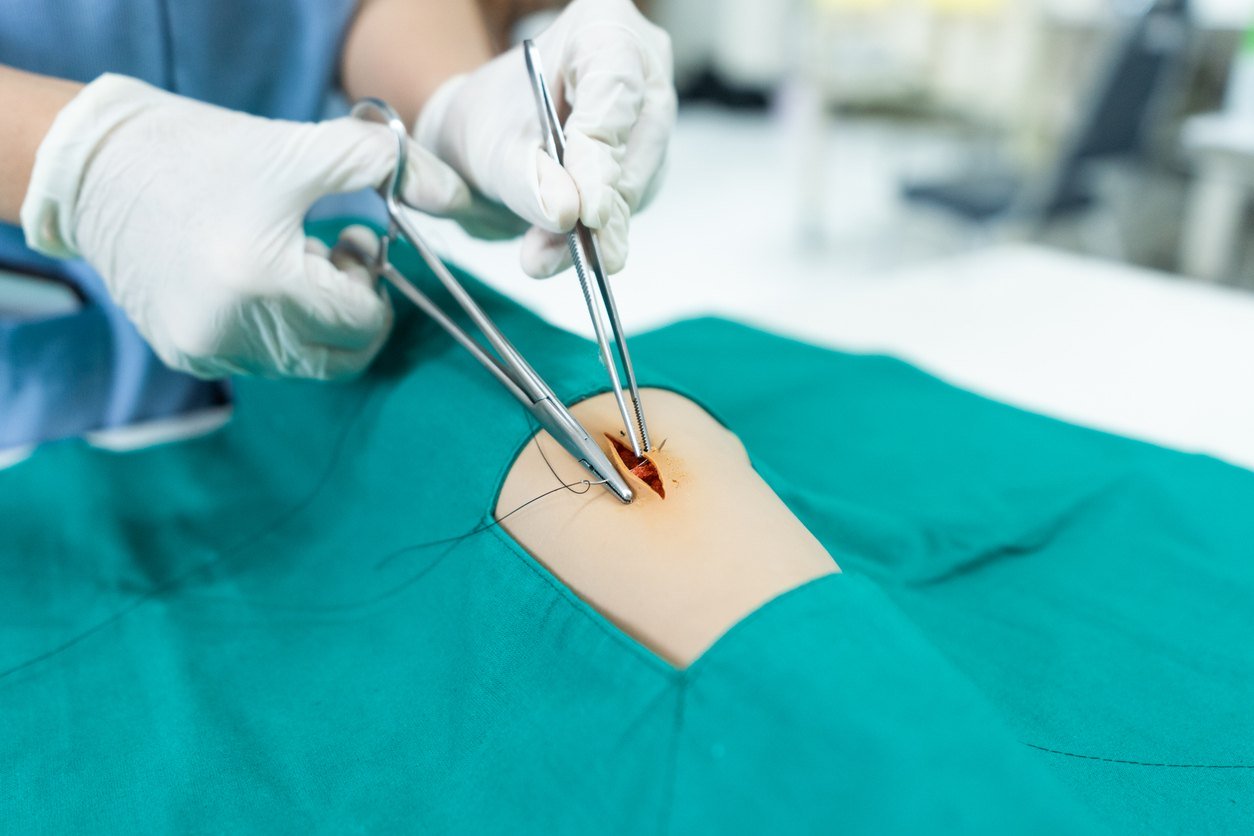
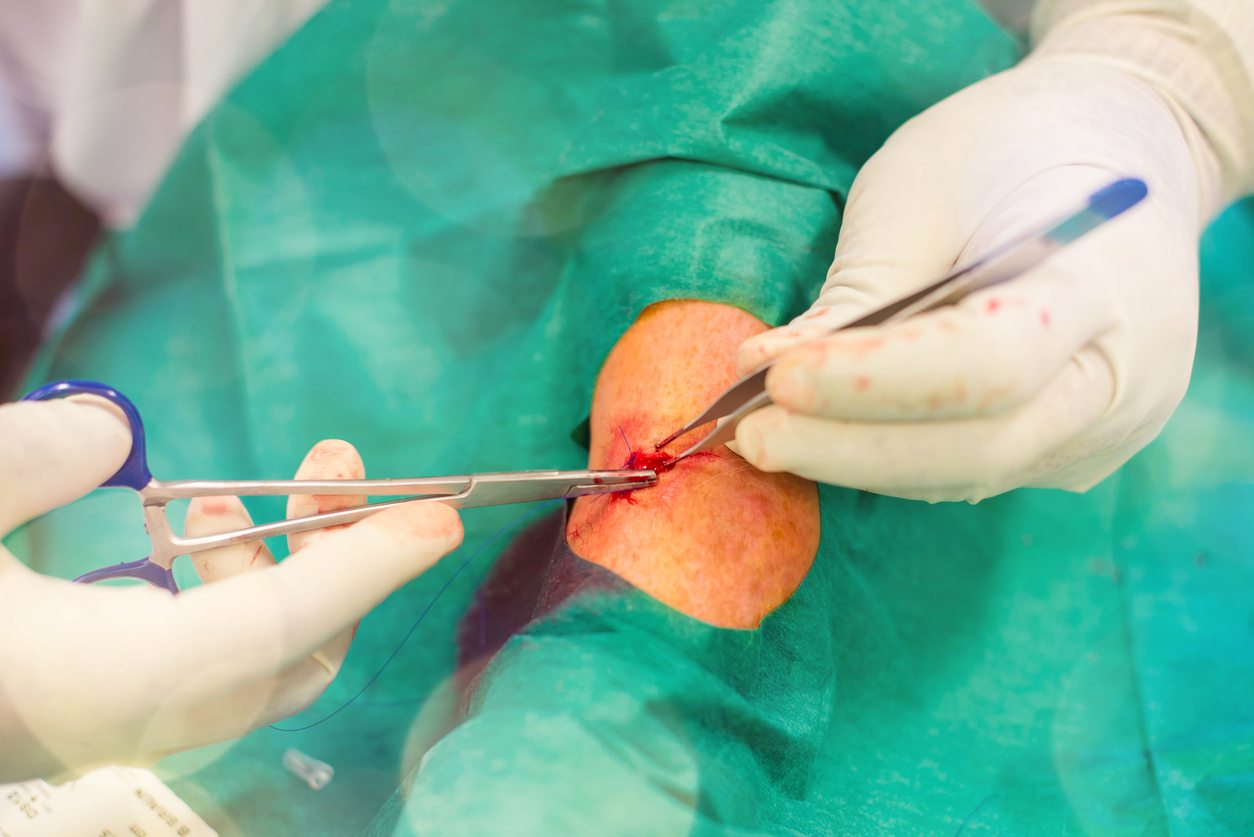
Stitches are also done to close the wound. Some surgical procedures take the incision out from the center of the buttock crease to relieve tension and to create a better healing environment.
Your surgeon will be able to describe the healing process of surgery.
What Should You Expect During the First Week?
Pilonidal cyst surgery usually has a very early post-surgical period of discomfort, protection of the wound and daily care.
In the early stages of recovery there can be tenderness and a little swelling and drainage. In addition, the patient might also be tired due to general anesthesia or sedation.
Pain is usually worse in the first few days in the beginning, and should be slowly cured.
In surgical procedures, patients may need to change dressings frequently to avoid stress on the surgical area and not too much too soon to exercise too much.
Short walks are generally encouraged if the patient is comfortable and the surgeon allows it. Gentle movement promotes circulation without damaging the healing area.
Patients should follow their own postoperative directives rather than the idea that pilonidal surgery is the same for every surgery.
Recovering from a pilonidal surgical wound is not always easy.
The crease between the buttocks is very open to friction, moisture and movement over the course of the day. Good wound care protects the newly formed tissue and minimizes complications.
The surgical area should be cleaned and dressings should be changed and the skin should be dry. Open wounds will require dressing and a caretaker.
Creams, powders or antiseptic products should not be applied to the wound unless the surgeon suggests them.
Care protocols for wound healing can change in the course of the healing. A dressing that is appropriate immediately after surgery may not be needed later in recovery.
Care teams regularly visit to check tissue growth and drainage and check whether the wound is healing as expected.
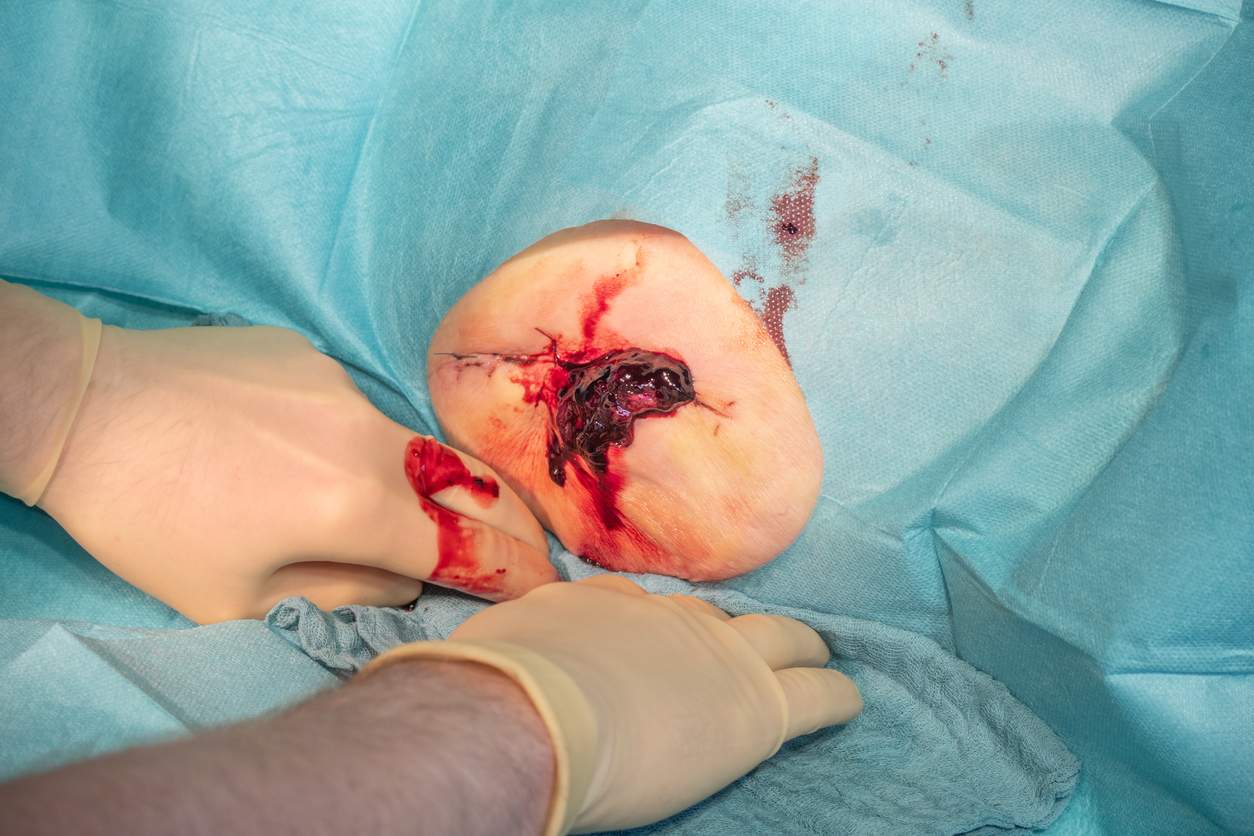
Drainage is common after pilonidal cyst surgery in an open wound.
The fluid may be clear, pink or somewhat bloodstained and may be part of the normal healing process.
However, drainage should usually decrease with healing.
Thick pus, an overwhelmingly unpleasant odor, redness or worsening pain can be a sign of an infection.
Heavy bleeding or sudden blood loss or an abrupt surge in drainage should also be reported to the surgical team at any time if the surgical team is worried that the surgical team cannot ignore heavy bleeding or an extreme increase in drainage.
Change should be observed in patients, not only the appearance of the wound one day.
When Can You Return to Normal Activities?
Recovery is a big step forward, but it can’t be done quickly.
First of all, sitting can cause discomfort because the surgical site is very close to the tailbone. According to the surgeon’s recommendation, patients may have to change positions frequently or not sit for long periods of time.
Walking is usually possible relatively early, while cycling, running, heavy lifting and other strenuous activities may have to wait for a doctor’s recommendation.
When to return to work depends on the operation and the work. Office workers can return earlier than people who do bending, lifting or other physical activity for long periods of time.
These minimally invasive approaches can return patients quickly to normal life. Larger open wounds and complex reconstructive procedures will take longer to heal.
Even when patients are well enough to recover, the tissue in the body is still healing.
What causes delays in healing after Pilonidal Cyst Surgery?
Infection can prolong inflammation and slow the formation of healthy tissue. Excessive friction, pressure or inconsistent wound care might also cause problems.
Nicotine exposure can interfere with circulation and reduce oxygen available to repair tissue.
Poorly controlled diabetes and other health conditions can slow healing, and inadequate nutrition can limit the body’s ability to rebuild tissue.
Patients should aim for adequate protein intake, hydration and balanced nutrition during recovery.
If pain is increasing, redness is spreading, fever occurs, wound separation or persistent drainage is not improving, then they should see a doctor.
Early diagnosis of problems allows for the prevention of a minor problem from becoming serious.
How do you reduce the risk of Pilonidal Disease returning?
Successful treatment of pilonidal disease via surgery is possible, but there is a possibility for recurrence.
Hair buildup, friction and the shape of the buttock crease are other factors that may lead to problems in the future.
After the wound has healed a surgeon can recommend hair management techniques. Laser hair removal can prevent recurrence in some patients.
Keep your area clean and dry at the same time to minimize irritation. But patients should avoid shaving or any other hair removal procedures that can damage the skin unless it is recommended by a doctor or surgeon.
New pits, tenderness, swelling or drainage near the surgical site should be investigated.
Time is Not Enough for Your Body to Heal.
Pilonidal cyst surgery is slow and often takes a long time to heal. The wound is left open or closed with stitches and patient care and medical follow-up are essential to keep a successful recovery going.
If tissue repairs itself, how to manage discomfort and spot warning signs in patients can get much better confidence in their healing process. Pilonidal cyst surgery and recovery: Patients should contact a pilonidal cyst surgeon who has pilonidal disease experience to receive individualized treatment and postoperative care.
Specialties
Recent Pilonidal Q&A
OFFICE HOURS
Monday – Friday
9:00 AM – 5:00 PM