
Finding a lump under your skin is unsettling. Whether it appears suddenly or has been increasing slowly over the years, the vast majority of people seek the answer immediately upon finding it online. Patients often want the simple answer: “What doctor treats cysts?”. It depends a lot on the kind of cyst, the place it goes, and if the cyst has caused symptoms. Although some cysts stay healthy and need minimal monitoring, others will become painful, infected, or just develop slowly until medical intervention is warranted. Knowing who treats cysts and when to take them to specialists can allow you to avoid complications if you do so and get the appropriate treatment sooner.
What Exactly Is a Cyst?
A cyst — a closed sac-like structure, that forms beneath the skin or within the body. It usually comprises fluid, pus, air or other substance. Cysts can form almost anywhere and have very different sizes. Most cysts are benign — meaning that they’re not cancerous. But that is not necessarily to suggest that they should disappear altogether. Cysts can be uncomfortable, disrupt activities of daily life, cause discomfort in daily life conditions or, depending on where the cysts are located and if they are symptomatic, become infected. Some people have had small cysts for years without any problems, while others find that the cysts gradually grow more painful or repeated over time.
Why Do Cysts Develop?
Cysts can also be caused by so many different causes. Cysts can be formed due to blocked glands, infections, chronic inflammation, trauma, and genetic factors. Sebaceous cysts typically form when skin cells are trapped below the skin. Epidermoid cysts develop after skin cells penetrate deeper and do not detach on their own. Pilonidal cysts frequently develop in the vicinity of the tailbone, and are frequently related to hair follicles and persistent inflammation. Other cysts may form inside organs such as the ovaries, kidneys, liver or pancreas. Because cysts have so many different causes, determining the precise type is usually the first step in proper treatment.
What Doctor Treats Cysts?
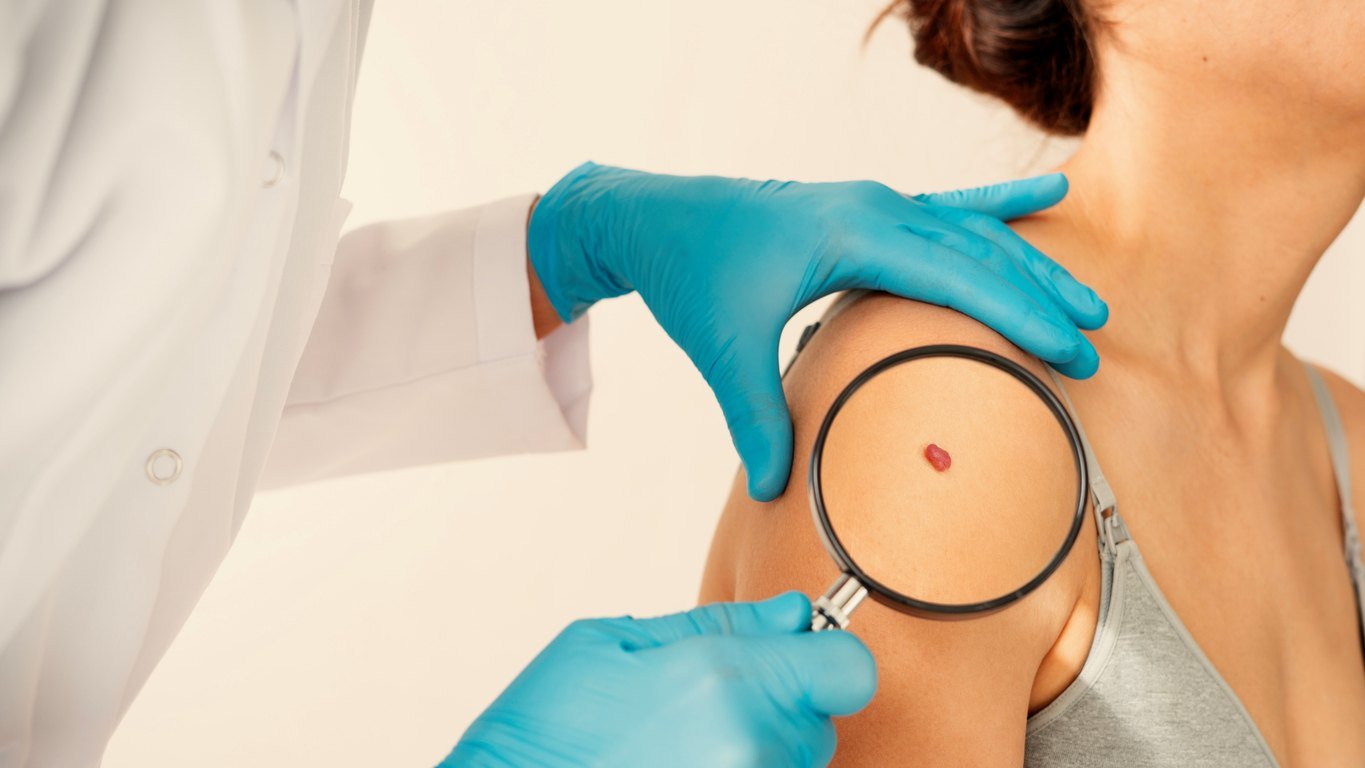
The kind and quantity of physicians who treat any given cyst frequently depends on its location and how symptoms arise from it. For a skin cyst, many patients start with their GP. These doctors will examine the cyst and see if it needs to be addressed further. They might refer patients to specialists in some instances. Dermatologists often deal with epidermoid and sebaceous cysts. Because they focus on skin-related conditions, dermatologists are able to diagnose different types of cysts and perform minor procedures to remove them as needed, however small that may be. When cysts are larger, recurrent, infected, or occur in areas needing surgical removal, general surgeons are frequently appropriate. Surgical surgery can be required if cysts emerge and reappear after drainage or if substantial pain is experienced.
Colorectal surgeons are most commonly called upon to treat pilonidal cysts and other cysts that develop next to the anus or tailbone. These specialists have advanced training in conditions of the colon, rectum and adjacent tissues. Gynecologists typically handle ovarian cysts, and urologists may treat cysts involving the urinary system or reproductive systems. The trick is isolating the cause and choosing the one who is experienced in treating that particular kind of cyst.
When Is a Cyst More Than a Cosmetic Concern?
Cysts are often ignored by people because they don’t seem threatening at first. But there are cases in which medical evaluation is necessary. Pain is frequently the first indication that a cyst requires to be checked by a healthcare provider. A cyst that is becoming tender, swollen or becoming more uncomfortable can be infected or inflamed. Another motivation for seeking medical care is rapid growth. Although many cysts appear to grow slowly, sudden enlargement might be a sign of infection or other serious problems. Redness, warmth, drainage and foul-smelling discharge might hint at infection—sometimes require a prompt remedy. If not treated, infected cysts rarely improve with time and become increasingly painful. The same goes for recurrent cysts. A cyst that reappears after being drained may need total surgical removal to prevent future problems.
Why Draining a Cyst Doesn’t Always Count Just A Thumb
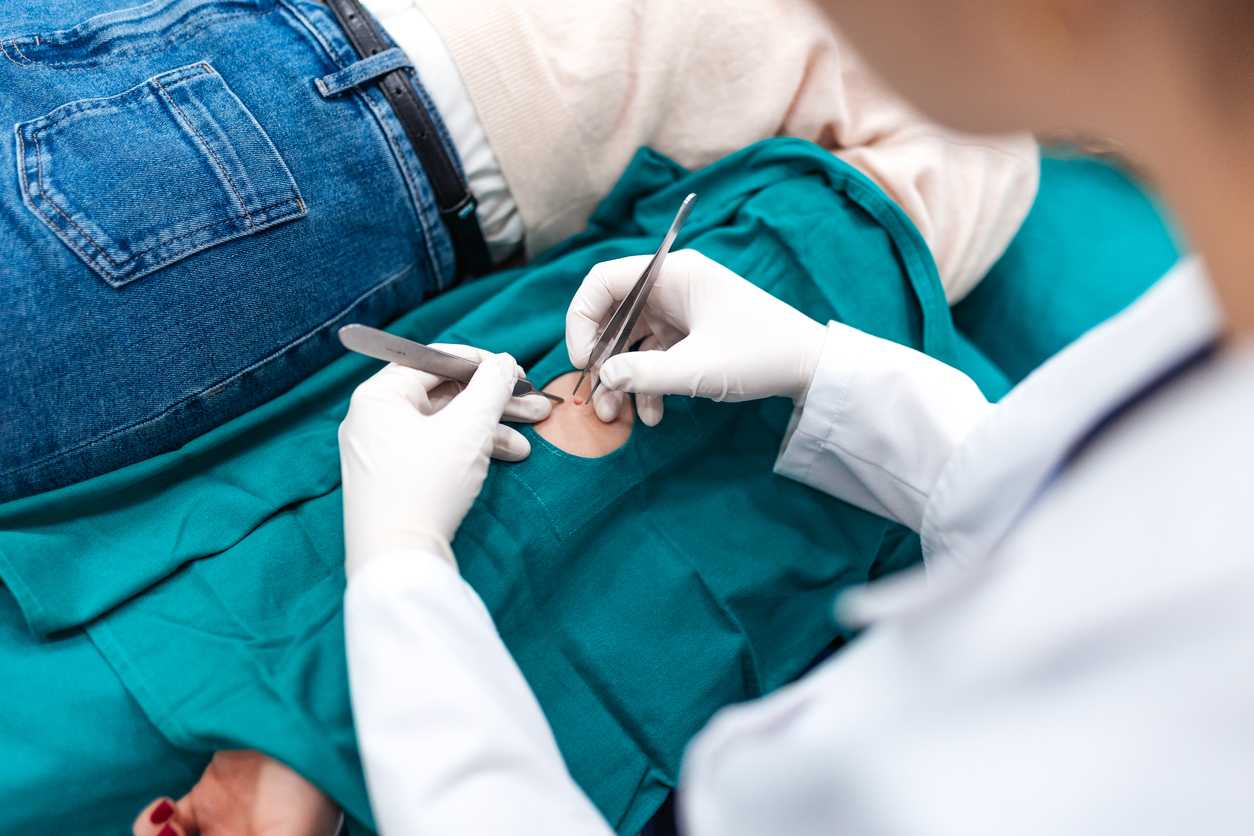
For many patients, draining a cyst is a solution for life. Unfortunately, that cannot always be true. The contents of a cyst are drained, but its wall tends to remain. If the cyst lining is not eliminated, it may carry on creating material that causes the cyst to refill later. This is partly to blame for recurrent cysts. Although drainage is a quick remedy, the most efficient solution with certain cysts is by removing the entire cyst surgically. An experienced physician can give advice whether simple drainage, medication, surveillance or surgical treatment are most suitable.
Common Types of Cysts That Need Treatment
Skin cysts are the most frequently treated kind, but are far from the only ones. Pilonidal cysts usually form in the vicinity of a tailbone and can be chronic. Before attending to specialized care, many patients suffer constant pain, swelling and drainage. Ganglion cysts develop near joints or tendons, especially in the wrist. Others produce discomfort and sometimes require treatment while some disappear entirely on their own. Ovarian cysts are widely common in women and often resolve without intervention. However, bigger cysts or ones that cause symptoms might need to be monitored or treated. Bartholin cysts develop just slightly around the opening of the vagina and can be troublesome if infected. Cyst types come at their own difficulties and proper diagnosis is key.
How Are Cysts Diagnosed?
Diagnosis often starts with a physical examination. A large number of times a cyst removal doctor can diagnose a cyst based on its structure, location, and features. Imaging studies (ultrasound, CT, MRI), possibly if the cyst is deeper in the body, may be suggested or when further data to guide further diagnosis may be required. These tests can reveal the cyst’s size, contents and connection with neighbouring structures. Correct diagnosis helps doctors prescribe the best treatment plan.
Current Methodologies to Treat Cysts
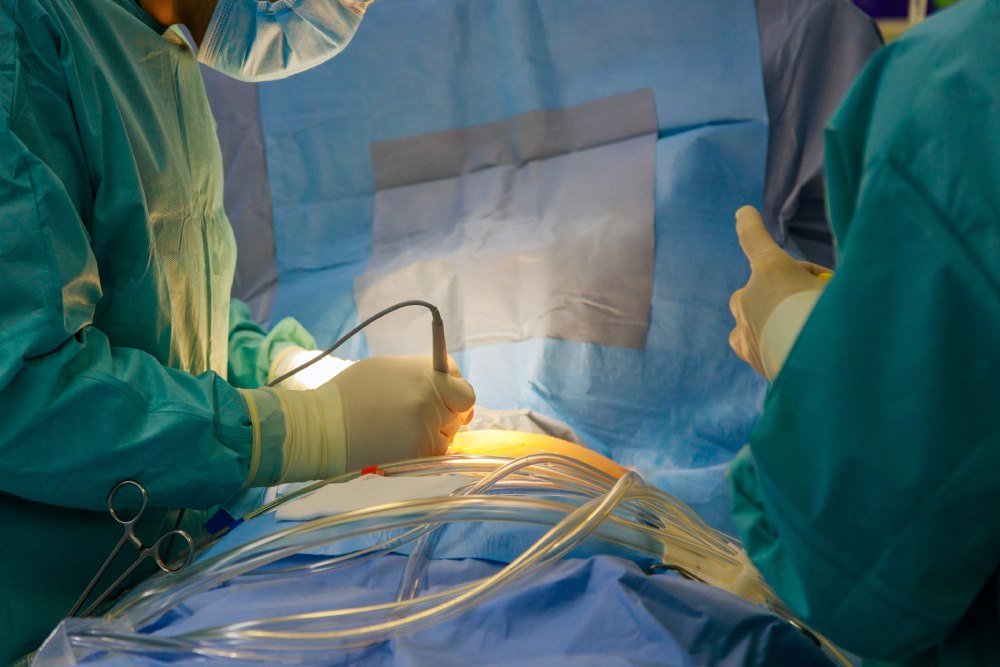
The skin cyst treatment will depend on the nature, dimensions, and site of the cyst. Some cysts just need watching. If small, painless and not causing any trouble, a physician can suggest monitoring them over a period of time, she added. As mentioned before, infected cysts may need antibiotics as well as drainage. In many cases, surgical removal will be necessary to treat recurrent or troublesome cysts. Modern surgery facilitates the removal of cysts with minimized pain and little to no recovery time. The intention is to do more than just eliminate the existing cyst: we hope to prevent recurrence at the same time.

Conclusion
If you have found a lump under your skin and ponder what happens when you have cysts, depending on the condition and position, your physician will respond. Dermatologists, general surgeons, colorectal surgeons, gynecologists, and other specialists are some of the specialists who are crucial in diagnosing and treating cysts. While many cysts are harmless, persistent pain, infection, rapid growth or recurring symptoms should be consistently monitored and minimized. A consultation among the right individuals can provide us all with some answers, ease the symptoms and prevent future sequelae. If a cyst is diagnosed at an earlier stage, then peace of mind can be obtained and if you get the skin cyst treatment right away that fits your needs, it is much more likely to be effective.
Specialties
Recent Pilonidal Q&A



OFFICE HOURS
Monday – Friday
9:00 AM – 5:00 PM