A pilonidal cyst can start as a tiny, annoying bump near the tailbone, but for many people, it turns from annoying to painful and disruptive too quickly. Sitting may become awkward, drainage can happen suddenly, and frequent infections could slow down daily life. Because the symptoms tend to come and go, some patients postpone therapy for months or even years before discovering the condition will not permanently disappear. A comprehensive understanding of pilonidal cyst treatments will assist the health care provider and the patient to develop informed options for relief, improvement, long-term prevention, as well as prevention of further morbidity and mortality from this condition. Whether conservatively administered or the most advanced minimally invasive treatment, the options patients have today are much more effective and patient-friendly than most people believe.
What Is a Pilonidal Cyst?
A pilonidal cyst is a pocket under the skin that arises near the top of the buttocks crease near the tailbone. Usually, these cysts form when hair, friction, sweat and debris become stuck under the skin, stimulating inflammation and infection there. Some pilonidal cysts are small and do not give distress, while others become swollen, infected, and filled with pus. In severe cases, patients may develop draining sinus tracts or recurrent abscesses that continue to return after only temporary treatment. Young adults, those who sit for long periods, and people with coarse body hair or frequent irritation at the area all experience this condition in particular.
Early Treatment of Pilonidal Cysts
If the pilonidal cyst is caught early but before a major infection sets in, conservative treatment will relieve inflammation and discomfort. Doctors may suggest that the area be kept clean and dry, avoiding prolonged sitting time, removing excess hair and trying not to apply pressure to the tailbone. Warm compresses may help to soothe irritation and to encourage a little drainage, at least sometimes. But conservative care may also temporarily relieve symptoms but frequently does not fully eradicate the cyst. If the cysts’ anatomy is not completely gone under the skin, many patients will flare up again and again. And antibiotics aren’t usually enough. Some patients believe that antibiotics will permanently cure a pilonidal cyst — especially if redness or swelling ameliorates after medication. Though antibiotics may be effective in controlling the surrounding skin infection, they generally do not clear the cyst cavity itself.
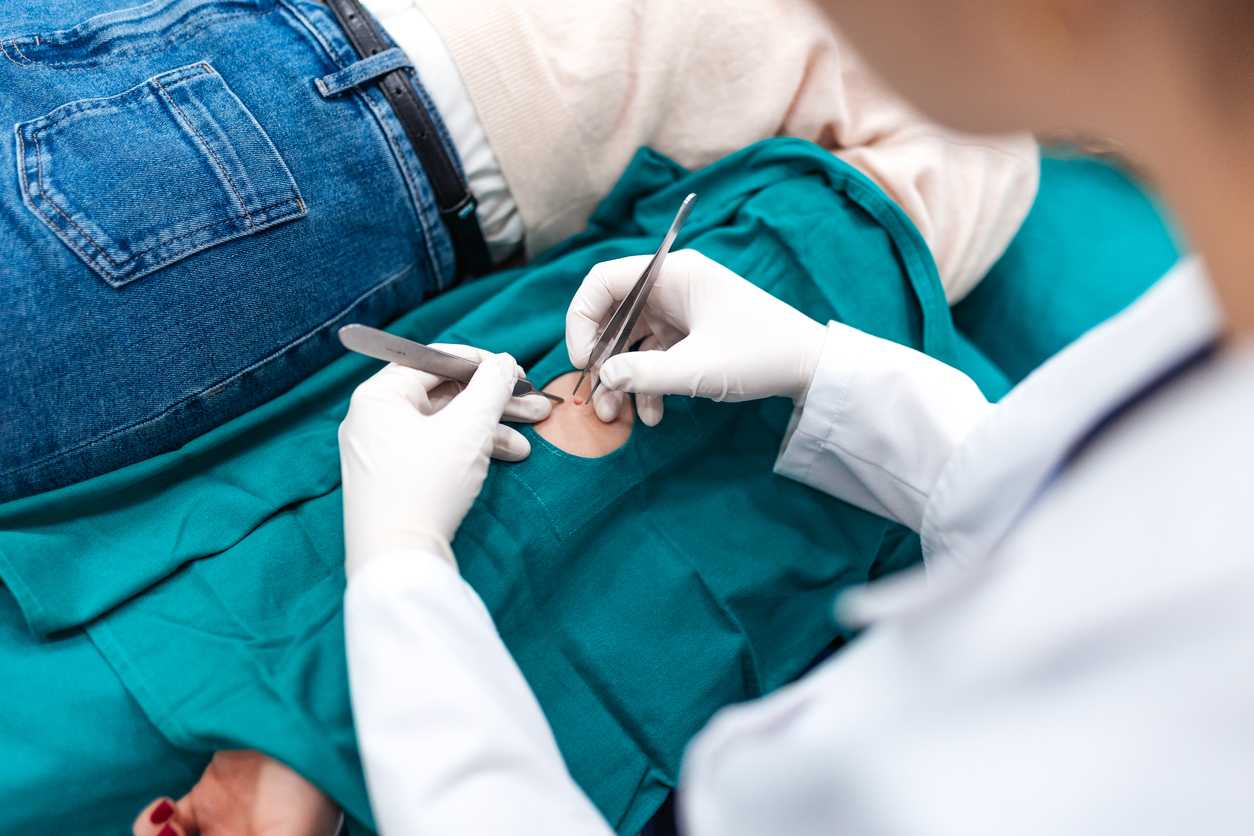
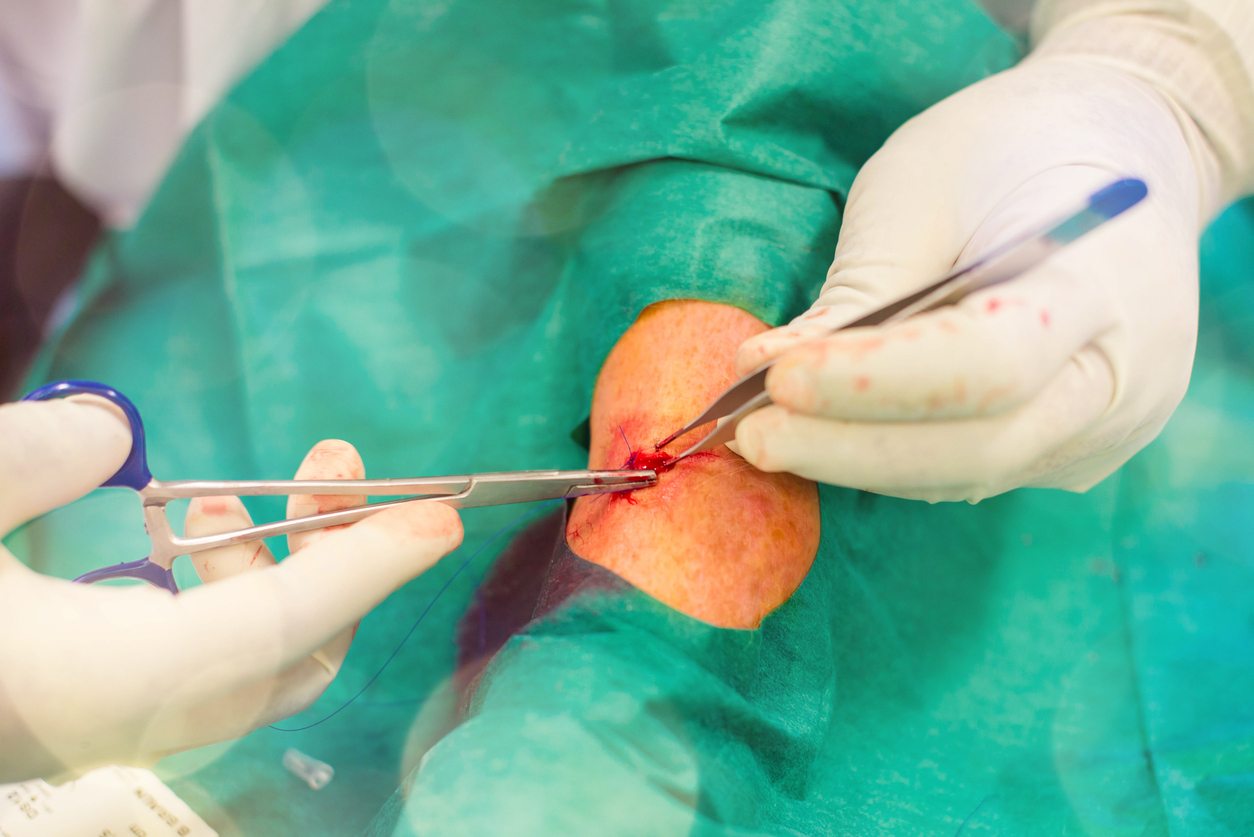
Symptoms frequently return after antibiotics are completed if pus, trapped hair or sinus tracts remain beneath the skin. This is why recurrent pilonidal disease often needs to be treated procedurally rather than with medication. One of the most common emergency treatments is draining a pilonidal abscess. When cysts are highly infected, the pressure on them can build quickly, leading to excruciating pain, swelling, redness and tenderness. The physician forms a small aperture during an incision and pilonidal cyst drainage to drain the pus that is held and alleviate pressure. Following treatment, many patients benefit from immediate relief. Although drainage helps address the acute infection, it does not always result in a decrease in future recurrence. Some patients still get recurrent infections since the cyst beneath stays there.
Minimally Invasive Pilonidal Cyst Treatment
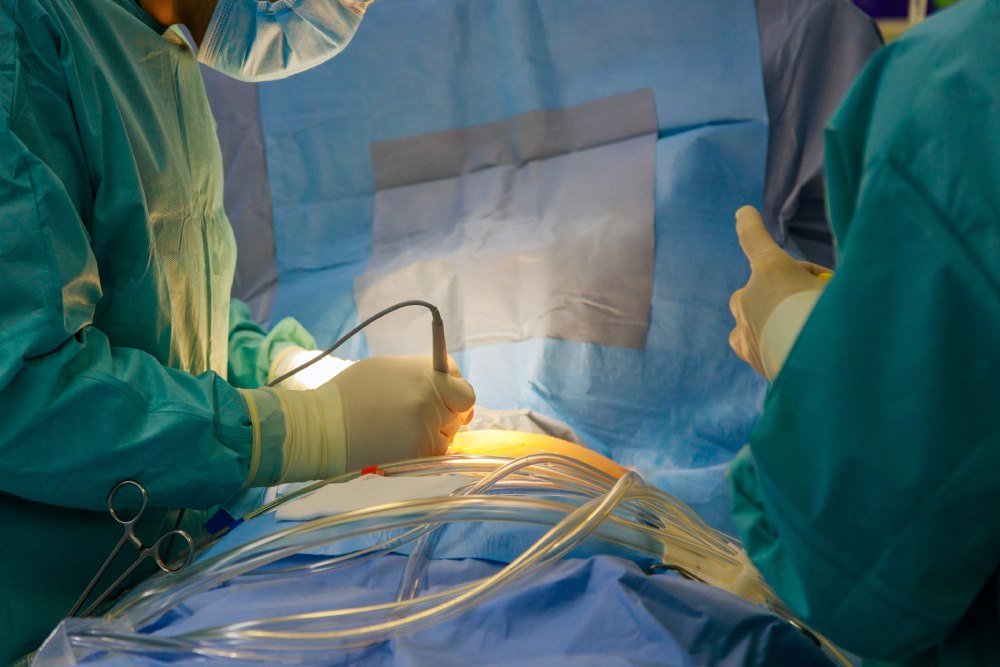
Today’s treatments now more than ever have shifted towards technologies with minimally invasive measures that improve comfort, speed recovery time, and aid more and more on patients comfort level. Instead of stripping off a tissue, some of the treatments focus on the sinus tracts and cyst cavities of sinuses by means of smaller openings to get to the sinus tract. These methods could include internally cleaning the area, cutting away held in hair and debris, and taking out infected tissue while maintaining remaining healthy skin.
In some cases, minimally invasive procedures have smaller wounds, less postoperative pain, quicker recovery times, reduced downtime, and a decreased chance of large open wounds. For much of the population, these methods facilitate a faster return to work and to normal activities than conventional surgery.
Chronic or Severe Cases
In advanced or recurrent conditions, surgical excision can still be recommended. This operation eliminates the cyst, sinus tracts, and infected tissue altogether. Conventional methods of excision are different, depending on how severe or where the chronic pilonidal disease is located. Certain wounds are stitched closed, with other wounds left partially open and gradually healed from the inside out. Surgery is highly effective, but in case of larger excisions, recovery will take longer. Proper wound care post surgery is extremely important to aid in repair and prevent the development of another infection. Patients frequently benefit from consultation with a colorectal surgeon or other expertise specializing in pilonidal treatment due to widespread pilonidal disease.
Why Should Some Pilonidal Cysts Keep Coming Back?
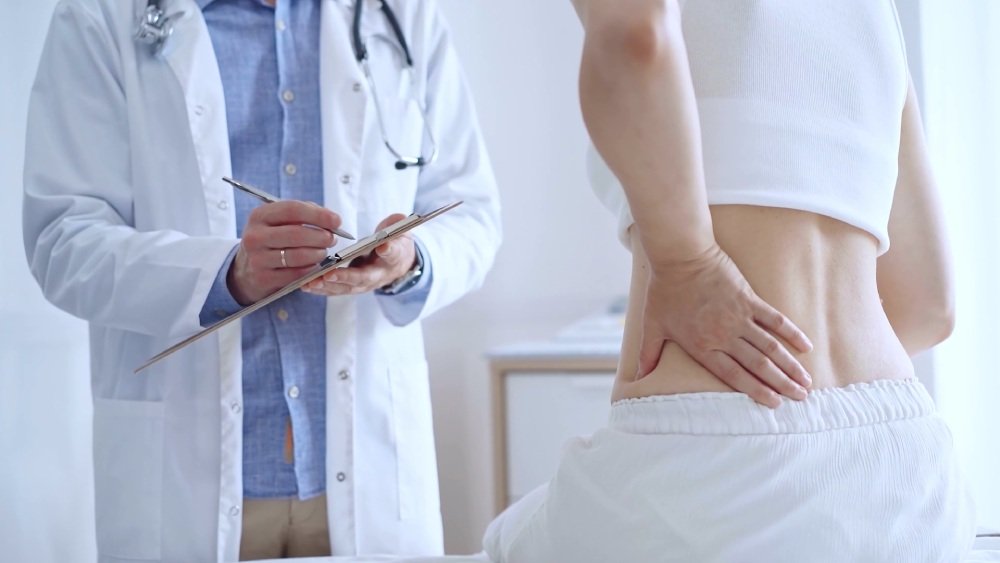
Recurrence is among the most exasperating aspects of pilonidal disease. Some patients have drainage surgeries done over and over and over again without entirely solving the actual problem. Recurrence could occur if the hair continues entering the skin, the sinus tracts are not treated, the wound does not heal the way it should, there is still excessive friction or pressure created or cysts are not completely removed. As a result, long-term management is often comprehensive in terms of both procedural care and preventive care.
Hair Getting Eliminated Can Contribute to the Disease
Hair management may be included in routine long-term treatment for pilonidal cysts. The removal of loose hairs can lead to persistent irritation or blockage so cutting back hair in the affected area may have the effect of reducing the chances of chronic irritation. Some patients use careful shaving while for others, laser hair removal is necessary to prolong the lengthiness of reduction by achieving a decrease in amount of hair. Doctors may also advise avoiding tight clothing and maintaining good hygiene to minimize friction and moisture buildup close to the tailbone.
Post-Bilonidal Cyst Treatment Recovery
Recovery, however, depends on which procedure is being done. Simple drainage can recover in a matter of days, but bigger surgical interventions can take weeks for healing. In recovery, patients are advised not to sit over long periods of time, to clean the area thoroughly and to adhere very closely to instructions regarding healing of wounds. Monitoring healing may also necessitate regular follow-up visits. Although recovery can be frustrating at times, if proper pilonidal abscess treatment is given, then the patient has been provided with substantial long-term relief from recurrent infections and discomfort.
When to See a Doctor
Many people attempt to manage pilonidal cyst signs and symptoms at home for a long time prior to seeking consultation. Yet patients with increasing pain, drainage, swelling, fever, or chronic flare-ups undergo the review by health professionals. Delaying treatment can lead to the transmission of infections and complicates future treatment. A good treatment early in the process generally results in simpler treatment paths and quicker recovery.

Selecting the Right Clinician for Pilonidal Management
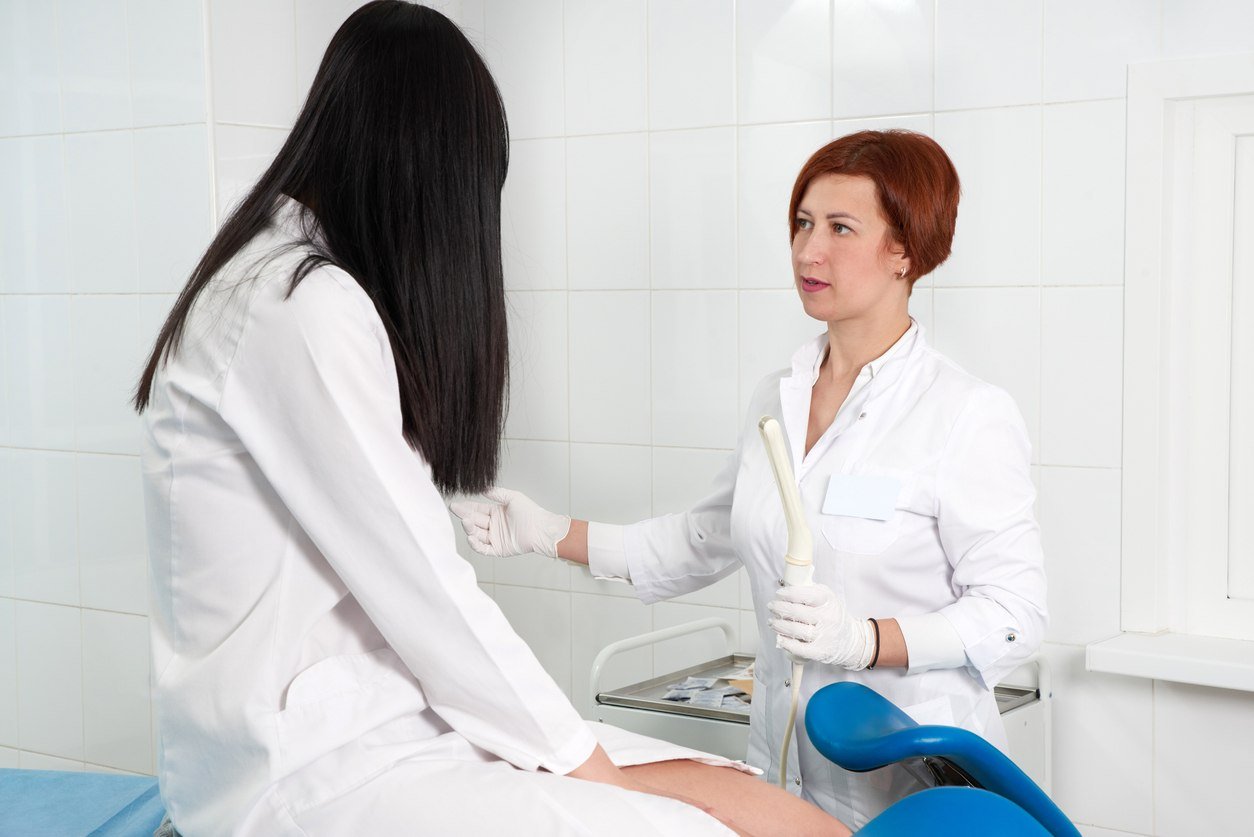
Pilonidal diseases aren’t handled by every GP. Patients who have recurrent or complicated cysts ought to see a colorectal surgeon or another specialist who knows how to deal with new techniques and new ways of treatment. More experienced specialists can weigh up the severity of the disease, break down the treatment alternatives and recommend for patients that they follow procedures based on the patient’s history of symptoms, anatomy and recurrence. Selecting the right provider may help reduce complications and improve healing and increase reduction over time.
Conclusion
Pilonidal cysts can produce painful, frustrating and surprisingly persistent outcomes; effective treatments are, however, at hand. The best possible treatment is based on the seriousness of the condition and its recurrence starting from early conservative care, through minimally invasive procedures and surgical excision. Short-term measures that relieve the symptoms may be helpful but long-term treatment may typically necessitate actively attacking the underlying cyst and sinus tracts. The earlier you seek medical care, the better is your chance of not getting re-infections, and the better the outcome. Wherever you’re in pain, swelling, drainage or discomfort around the tailbone, contacting a licensed health professional, if at all possible, might be the first and the only way for a longer-term relief and recovery.
Specialties
Recent Pilonidal Q&A

OFFICE HOURS
Monday – Friday
9:00 AM – 5:00 PM