
A pilonidal cyst may begin as a tiny spot of irritation close to the tailbone, but can very quickly become painful, swollen, and difficult to ignore. For some people, the condition is diagnosed and has been developing rapidly and it can develop quickly following sitting, rubbing, sweating, or an ingrown hair. Others have periodic flare-ups that drag on for months or even years. It is important to know what are pilonidal cyst therapies, because early pilonidal cyst treatments can often prevent the symptoms worsening and the infection becoming more serious. Pilonidal disease affects the skin and tissue at the very top of the buttocks crease. In many cases, a piece or pieces of hair get stuck under the skin and turn into a source of inflammation or infection. Mild cases can improve with conservative care, and more complicated or infected cysts usually need professional diagnosis and treatment to fully heal the problem.
For people with tailbone pain, drainage, swelling, or recurrent infections, what treatment is available can provide insight for when to seek care. The condition is often related to ingrown hairs, friction, and pressure in the area. Also, a pilonidal cyst is a cavity that forms under the skin near the tailbone and causes pain in the skin. Pilonidal cysts can affect anyone, but they are more likely in young adults, people who spend a lot of time sitting for long periods, and people who have coarse body hair. Some cysts are small and not painful. Others get infected and develop painful abscesses containing pus and inflamed tissue. Infected pilonidal cysts could cause redness, swelling, tenderness, drainage, fever, or difficulty sitting down. Without effective treatment, it will keep coming on.
What are the First Medical Treatments for a Pilonidal Cyst?
Early treatment with pilonidal cysts is usually limited to controlling inflammation, controlling infection, and preventing the condition from advancing further. Mild cases which do not present with significant infectious disease may benefit from conservative management. Doctors frequently recommend keeping the site clean and dry while reducing friction at the tailbone. Hair removal may also be recommended because some experts say hair removal, as trapped hair tends to further aggravate and get worn out because trapped hair tends to be more frequently resulting in long-term irritation and recurrent irritation can cause ongoing irritation or recurrence.
Warm hot compresses or sitz baths or sitz bathing can help ease discomfort and encourage pilonidal cyst drainage if you have mild cases. Patients are often told in some cases to be cautious not to sit on the spot for long periods, and to wear loose-fitting clothing to relieve skin pressure and reduce pressure on and off the injured area. If there are signs of infection, a doctor should prescribe antibiotics. But antibiotics alone don’t usually result in the clean-up of a fully established abscess. In many circumstances, extra drainage or procedural treatment is needed in many cases.
When does a pilonidal cyst need drainage?
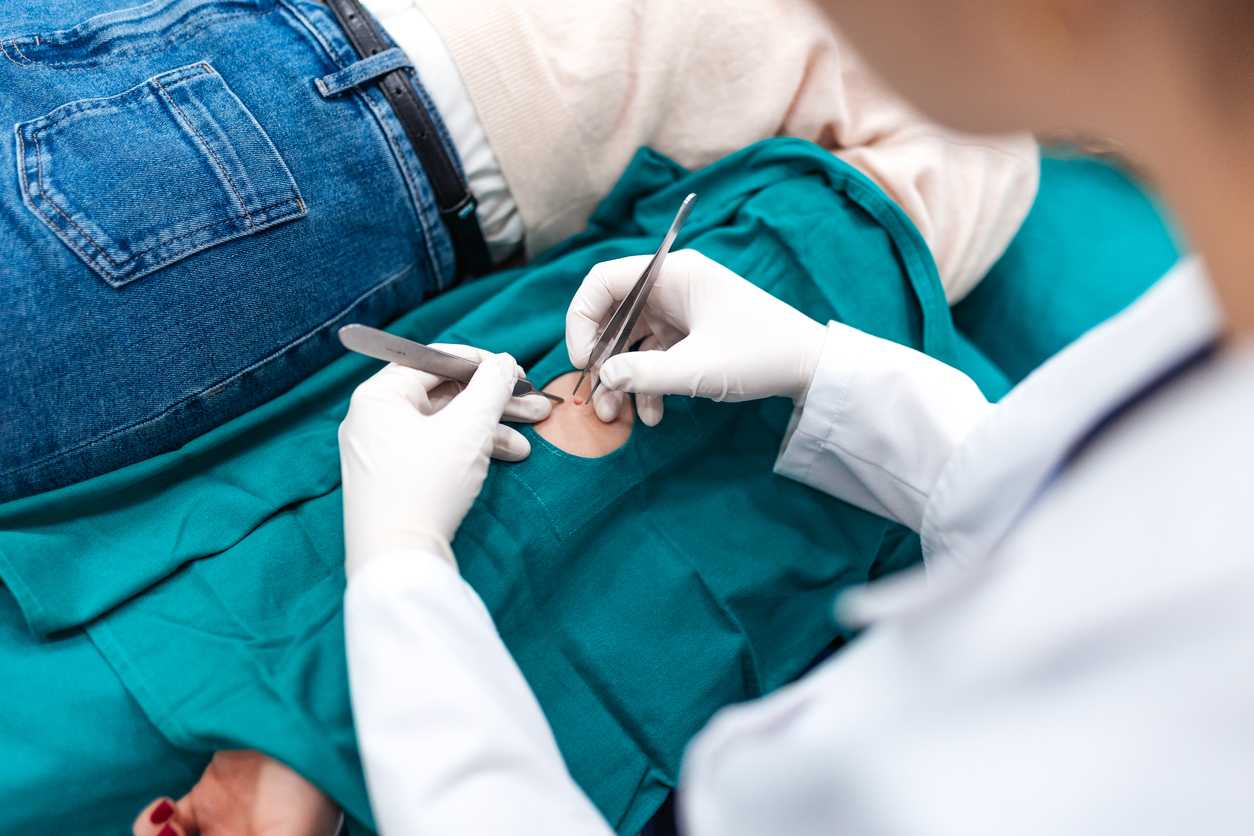
After the pilonidal cyst becomes infected and develops an abscess, medical drainage is usually the faster means of relieving pain and pressure. The abscess causes pain, swelling, hotness, and redness near the tailbone. In an incision and drainage procedure, the physician numbs the area and opens a tiny hole to release stuck pus and stuff that’s been caught in it from the site. Such treatment can relieve symptoms immediately in many patients. While drainage may clear the immediate infection by taking out the cysts or sinus tracts below the skin, it does not completely eliminate the cyst or sinus tracts underneath the skin. As a result, some patients get recurrent flare-ups after temporary improvement. Still, drainage is one of the most common first-line therapies among people with infected with chronic pilonidal disease.
Can antibiotics cure a pilonidal cyst?
Most patients are skeptical of whether antibiotics can eliminate a pilonidal cyst just by itself. Antibiotics in most cases have the effect of reducing surrounding infection, inflammation, and irritation; in most cases however they do not cure the underlying cyst structure. A pilonidal cyst has lodged hair, waste, and irritated tissue under the skin. When such material remains inside the cavity, symptoms might return again despite short-term relief from antibiotics. Antibiotics work well when used in combination with proper drainage or with medical intervention. They can also be suggested to patients with spreading skin infection, fever, or with heightened risk for complications. But we should not disregard deteriorating symptoms and only use home remedies or antibiotics to treat them and don’t just treat them with prescription drugs. Serious infections can become less manageable and more painful over time.
What are the main surgical options for treating Pilonidal disease?
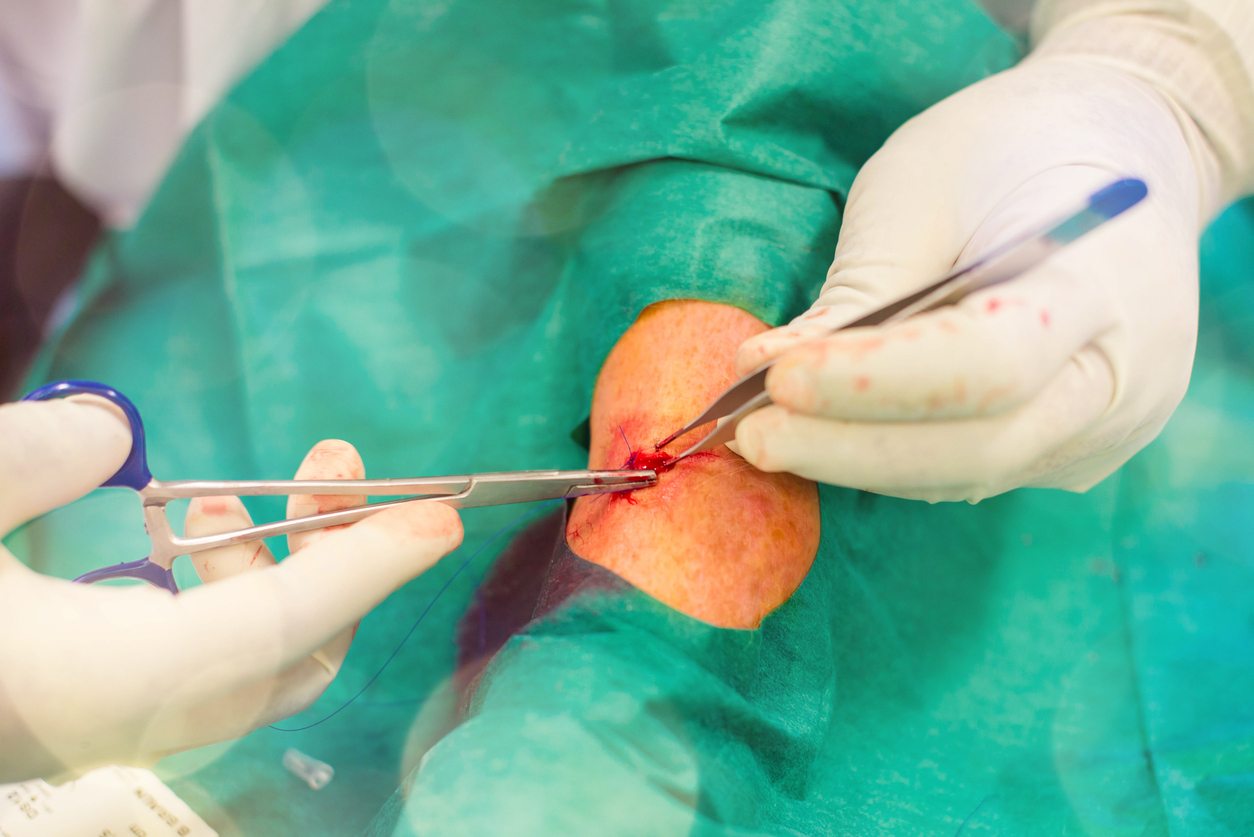
For chronic or recurring Pilonidal disease, surgical pilonidal abscess treatment might be the most effective long term solution. Surgery should be done to take out all the cyst, infected tissue, sinus tracts and hair behind it that is trapped and leads to recurrent infections. Depending on the severity and complexity of the disorder different types of surgical means may be employed. Certain minimally invasive procedures are directed at smaller cysts with less disease, while more advanced surgical procedures may be necessary for extensive or recurring infections. Some techniques today aim to lessen recovery times and recurrence rates by moving the cut away from the middle of the buttock crease. This helps the healing process, reduces the level of the area’s wetness and friction. The type of treatment and recovery time depend upon the type of therapeutic intervention performed. Some patients return to the normal way of living somewhat promptly but for others it may take weeks for wounds to heal. A colorectal surgeon or pilonidal disease surgeon will assist identify which solution is best.
How Do You Prevent a Pilonidal Cyst From Coming Back?
Recurrence is among the greatest frustrations involved with pilonidal disease. Cysts can still emerge post-treatment when preventive measures are not implemented. Ongoing hair care around the tailbone area can lower the risk that trapped hairs may return to the skin, doctors often advise. Adequate cleanliness, frequent cleaning and reducing prolonged moisture may also reduce the risk of a recurrence. It can also help to avoid too much pressure or rubbing against the tailbone. Patients that get comfortable sitting down for extended periods may require regular breaks and better posture to minimize irritation. Weight control and loose-fitting clothing could also reduce pressure in the affected area. There needs to be early medical examination in patients with recurrent infections because the smaller the recurrence, the easier it is to treat it rather than treating the advanced abscess.
When to See a Doctor For A Pilonidal Cyst?
A pilonidal cyst should be examined by a physician if symptoms are painful, swollen or draining or recurrent. Severe pain in the area near the tailbone, with redness, fever, foul-smelling drainage or difficulty sitting, could indicate an infection and may warrant prompt treatment. Sticking to symptoms of infection may enable the infection to propagate and complicate treatment. Patients with aggressive responses can be treated quickly, and a more effective management is usually simplified and recovery shortened. Patients presenting with recurrent flareups might make an appropriate decision for the patient and, in a better approach to further treatment will be to consult with a colorectal surgeon or a specialist in pilonidal disease who could speak about long-lasting management and prevention of recurrence.
Conclusion
Treatment of pilonidal cysts medical management must take into account the severity of the condition and the presence of infection and whether the symptoms repeat. Mild cases can improve with conservative treatment; infected abscesses, often drainage and antibiotics are needed. You will eventually need surgery to permanently remove all of the problem that has existed since the condition began chronic or recurrent due to pilonidal disease. As pilonidal cysts can have progressively painful and difficult-to-manage, early treatment is necessary. If someone ever goes to see a doctor, they can come back and find relief from discomfort, complication prevention and lower chance for recurrence.
Specialties
Recent Pilonidal Q&A

OFFICE HOURS
Monday – Friday
9:00 AM – 5:00 PM