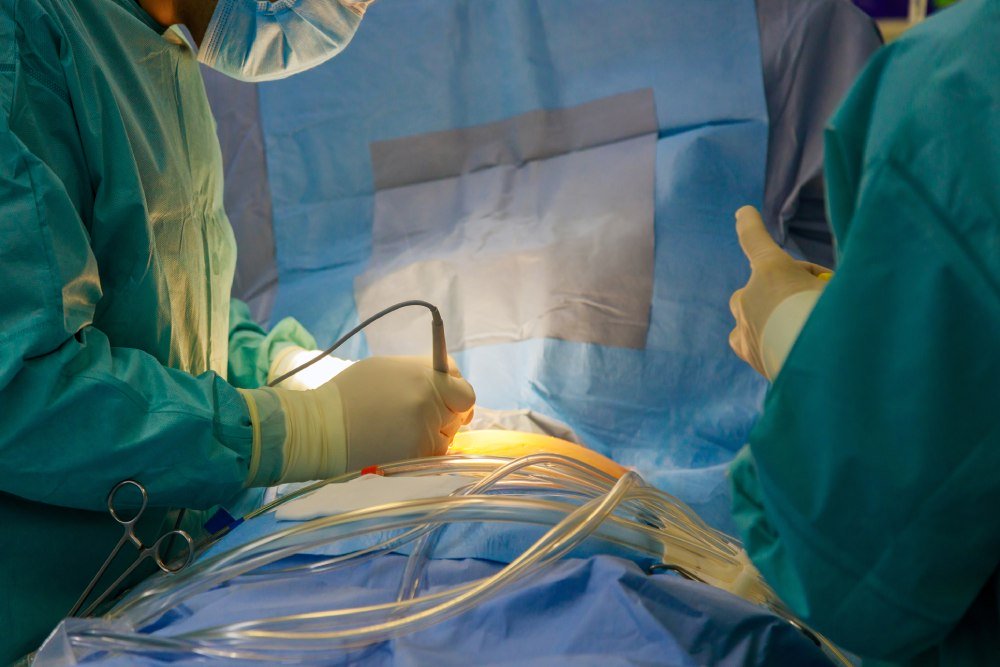
Recovering from pilonidal sinus operation surgery is not easy and having a better understanding of what the surgical outcome is going to look like can make it easier. Even though surgery is intended to address the underlying issue, patients are still experiencing discomfort and wound drainage and short-term limitations on daily activities while recovering. The degree to which the patient heals will depend on the type of surgery and whether the surgical wound is open or closed. Knowing the post-operative recovery for pilonidal sinus surgery can help patients to know they are in a better position for healing and plan for the days and weeks after surgery and recognize potential complications.
The Recovery Time Depends on Pilonidal Sinus Surgery Type.
Not every pilonidal sinus surgery is the same and recovery time of surgery is different from patient to patient.
Pilonidal disease develops in the crease between the buttocks (hair and debris). When the disease is chronic, surgical intervention is indicated and if recurrent infections, persistent drainage or chronic discomfort are observed.
Some surgical techniques can be done by removing the affected tissue and leaving the wound open to heal naturally. Stitches can close the wound or the incision to move away from the center of the buttock crease. Less invasive surgery is often performed in patients with less severe disease.
It determines the level of treatment required to heal the wound, how quickly the patient can return to normal duties and how long it takes for the whole process to take place.
Prior to surgery, the patient should talk to their surgeon about the expected recovery process to be able to know what is going to happen after surgery.
What will happen in the first 24 to 48 hours after surgery?
Pilonidal sinus surgery is very patient and caring and the surgical area is well-protected to help the healing process occur.
Patients may have tenderness after surgery, mild swelling and drainage around the incision. These may develop after surgery and their severity is secondary to surgery.
If surgery were performed under general anesthesia or sedation, many patients would also feel tired or sleepy after coming home.
The surgeon could give pain medication over the counter or add more pain medication if it’s a more serious pain.
The discharge instructions need to be followed closely for wound dressings, bathing and activity. Some surgical closures that require less intensive daily care need to be dressed frequently.
Rest is important when patients are early on in recovery but patients should be able to walk a short distance as long as they are comfortable in order to maintain their circulation and not languish and get tired.
Increasing pain, heavy bleeding or rapidly worsening swelling should be reported to the healthcare provider.
How long does a Pilonidal Sinus Operation take to Heal?
Most patients are concerned with how long recovery will take and surgery is a minimally invasive surgery.
People can return to their normal life after surgery a few days later, but healing takes longer.
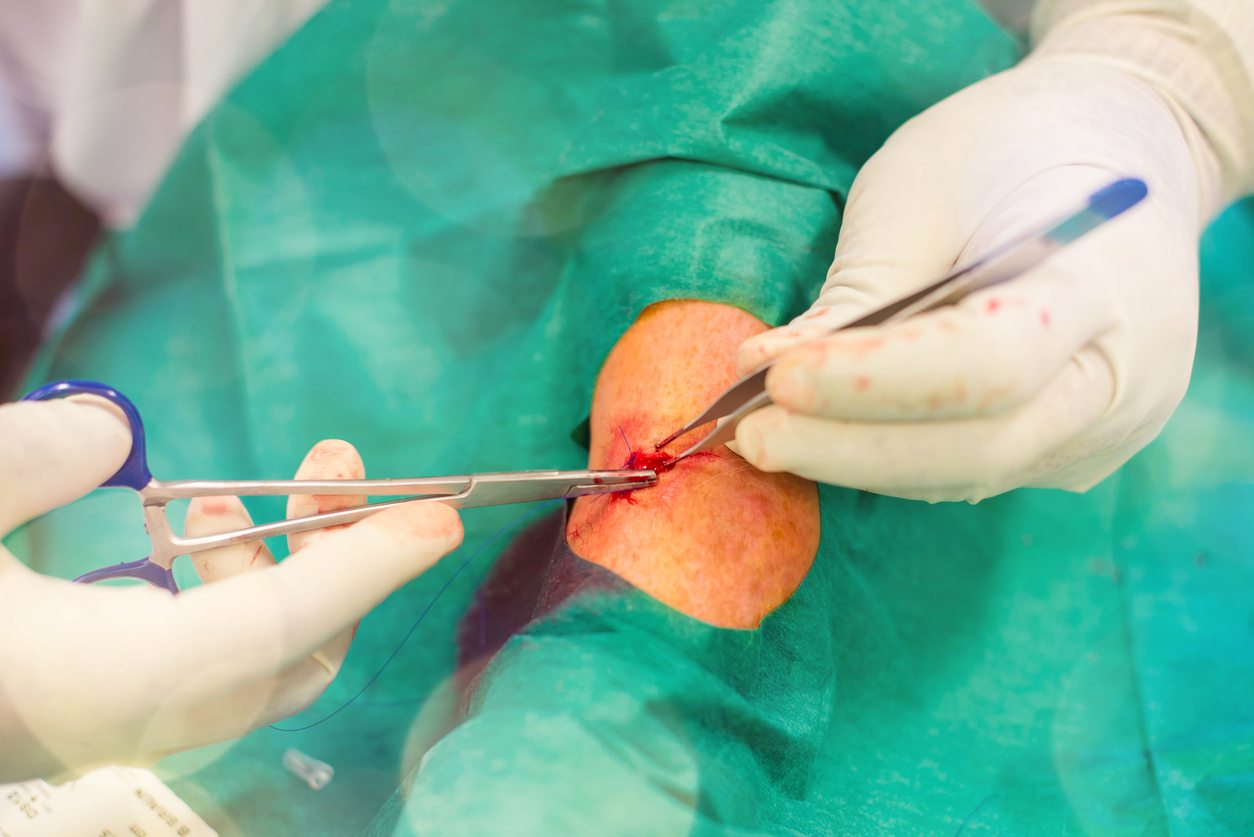
If stitches are used to close the wound, the wound can heal over several weeks.
I think you can expect that the wound may be infected and open and the tissue that is inside the wound will heal from top down and not just from the bottom.
Full healing can take weeks or months depending on the size and depth of the wound.
More surgery, or worse (like infection) may have to be done to get the area and the surgical area to be completed.
People working more difficult jobs might have to take longer off work than those working less demanding jobs.
The surgeon can give a more accurate estimate based on the procedure and how well the patient is progressing during follow-up appointments.
Wound care for the Pilonidal surgery wound at Home.
Wound care is one of the central processes for healing from pilonidal sinus surgery.
The surgical area is in a part of the body that is wet, friction and pressure-infused, so care of the wound is difficult.
The surgeon will wash and change dressings after surgery and tell patients how to do it.
Wound care is an area to gently wash the skin and dressings with the desired order and keep it dry and free of excessive moisture.
Open wounds can be treated with regular dressing changes or customized wound management to help promote healthy tissue growth.
Unapproved creams, powders or antiseptic products are to be avoided because they can irritate the tissue healing process.
You should have clean hands and dress properly when you are doing wound care.
If a patient is unable to reach the surgical site, a family member, caregiver or visiting nurse may help.
The surgeon will have regular follow-up appointments when examining the healing and deciding whether changes in the wound care routine are needed.
Is drainage normal after Pilonidal Sinus surgery?
Some drainage is normal after surgery and is normal if the wound is open.
As tissue heals, small amounts of clear pink or slightly bloodstained fluid may be produced.
The amount of drainage and duration will depend on the type of operation and the state of the wound.
Many patients should have absorbent dressings to protect clothing and the skin around them.
But drainage can also indicate infection. As it gets worse, thick pus, unpleasant odor, redness, and pain can be seen by a healthcare professional as signs of infection.
Heavy bleeding or drainage that suddenly increases should be reported too.
Patients do not have to think that every change in the appearance of the wound is normal.
If there is uncertainty, the surgical team can determine whether further assessment is necessary.
When Can You Sit, Walk and Return to Work After Surgery?
Due to the surgical area in pilonidal sinus surgery, patients will be uncomfortable sitting for a few minutes or will need to shift their weight in order to relieve pressure on the wound.
The amount of sitting permitted depends on the surgical technique. Some flap procedures are very specific and should be followed closely.
Walking is often encouraged in recovery, because it promotes circulation and helps patients to slowly return to normal life.
Heavy lifting, cycling, and activities that cause friction around the surgical site should be postponed until the surgeon confirms that the healing is on track.
Physical fitness is also very important to return to work and people who work at a desk will return more quickly than those who are lifting, bending or doing some kind of long-term work.
If pressure has to be applied or the patient feels uncomfortable, then how do I keep it from being so bad after Pilonidal sinus surgery?
Pain and tenderness are common for Pilonidal sinus surgery; particularly for the first times of healing.
There are pain management drugs that can be used, but patients can also take other actions so as to not get irritated.
In the surgical procedure, changing positions regularly may help to maintain the surgical site’s pressure for as long as possible.
Loose, breathable clothing can minimize friction and moisture around the wound.
Patients should follow the surgeon’s instructions on bathing, sitting, and sleeping positions.
Good rest, hydration, and proper nutrition are musts in order for our body to heal.
Protein, vitamins, and minerals are important for tissue repair, especially when a wound is healing for a long time.
Pain will generally improve as recovery develops. If pain doesn’t improve after a certain period of improvement is over, then we are in need of a medical check.
The patient should contact their healthcare provider if discomfort is too severe or not treated properly.
What are the warning signs of infection after Pilonidal surgery?
Some redness, tenderness and drainage may be normal after surgery and some of these symptoms are signs of infection or something more serious.
Redness spreading beyond the original site, warming up, swelling and significant pain around the wound should be monitored.
Fever, chills or general illness could be signs of infection.
Another sign of wound drainage is thick pus and an unpleasant odor.
Wound separation is another concern when a surgically closed incision starts to open.
Patients should call their surgeon if stitches separate and the wound suddenly gets deep or changes color.
Early identification of complications can prevent serious illness and continue healing.
Can Pilonidal Disease Return After Surgery?
Pilonidal disease can be treated after surgery. Surgery is effective to treat pilonidal disease but recurrence is inevitable in some patients.
Depending on the surgical method, the severity and individual factors contributing to the formation of the pilonidal sinus, recurrence could happen.
Besides hair loss, friction and the shape of the buttock crease can also be problems.
Some patients benefit from long-term hair management after the surgical site has healed. Laser hair removal can be performed in some cases to prevent recurrence.
The area should also be kept clean and dry so irritation can be minimized.
If the surgeon is doing hair removal properly and the patients are not doing it right, shaving or other methods can irritate the skin as well.
The presence of new pits, swelling, tenderness or drainage near the previous surgical site must be noted and treated.
With periodic monitoring, the patient can be able to spot a recurrence before it becomes a more severe infection.
What Can Slow Down Pilonidal Sinus Operation Recovery?
Pilonidal surgery wounds may heal slower because there are many factors that can cause it to be slower.
Infection is one of them that may slow recovery. There may also be friction, pressure or poor wound care.
Smoking and nicotine can also reduce blood flow and the body will no longer be able to repair damaged tissue.
Some medical conditions such as diabetes can also slow wound healing.
Nutrition is very much of a health issue and the body needs sufficient nutrition to rebuild tissue after surgery.
It is important to keep the area clean and to avoid strenuous exercise until you have had medical clearance.
The way to treat the wound as described above and follow-up appointments as needed can help to identify a problem earlier.
If the healing process seems to be slower than expected, the surgeon may re-examine the wound and decide whether treatment should be switched to another option.
Recovering From Pilonidal Sinus Surgery
Recovering from a pilonidal sinus surgery takes patience, wound care and attention to the body’s healing processes. Some patients recover quickly, while others may take weeks or months to return to normal activities after surgery. Knowing how to manage pain and recognize warning signs can help patients avoid activities that might interfere with healing.
Specialties
Recent Pilonidal Q&A
OFFICE HOURS
Monday – Friday
9:00 AM – 5:00 PM