Pilonidal sinus surgery doesn’t end after surgery. The surgical area heals over the next few days and weeks. Pilonidal disease is developed at the crease between the buttocks and wound care is more difficult than in other parts of the body. Patients may need to keep the area clean, dress it, limit certain activities and keep an eye on the wound. The exact directives will vary depending on the type of pilonidal sinus surgery and how the wound was closed. Knowing how to treat wounds after pilonidal surgery will prepare you for pilonidal sinus operation recovery and help you know if a patient needs to be treated by a doctor.
How Wound Care Matters After Pilonidal Surgery.
Pilonidal disease typically starts in the top of the buttock crease. Pits, sinus tracts, abscesses and recurrent infections can occur there due to hair, debris and inflammation.
Surgery is often the way to treat the diseased tissue and to alleviate chronic problems. But the surgical site still needs time to heal.
The buttock crease can be exposed to moisture, friction and hair. Sitting and normal movement can also put pressure on the area. And those are the reasons why patients need to follow the surgeon’s wound-care instructions very closely.
Wound care is intended to promote healing and minimize complications.
Your wound can be open or closed.
Not every pilonidal sinus operation has the same type of wound. In some cases, the wound may be left open and the body will slowly heal. Open wounds will need frequent dressing changes and take a long time to fully heal.
In other cases, the surgical incision is closed with sutures. Off-midline closure takes the incision out of the deepest part of the buttock crease in the surgical area and is closed.
The patient should not assume that recovery instructions for someone else will not apply to their own procedure. The surgeon must give the patient information based on the operation that he performed.
In pilonidal surgery recovery, hygiene is important. The doctor tells patients when they can shower and how to clean the area. The surgical team may recommend not to soak the wound for very long, depending on the procedure.
Cleaning is gentle and light; aggressive scrubbing can hurt the healing tissue. The area should be dry and the surgeon’s orders should be followed. Moisture trapped in the buttock crease can make it difficult to manage.
The surgical team will have to communicate with the patient about how it should be done and not apply creams, powders or anything else without medical guidance.
After Surgery.
Dressings should be changed. Some people will need dressings over the surgical site. The type of dressing and how often it should be changed will vary from wound to wound.
An open surgical wound may require more care than a closed incision in surgical care. The patient and caregiver should remove an old dressing, clean the area and replace it with a new one.
If wound packing is needed, the medical team should explain how it should be done. The patient does not want to be surprised at dressing changes and is often anxious about how it is done.
Drainage may occur during healing but the amount, appearance or smell of drainage should be addressed with the medical team if it is worrying.
Pain and Discomfort.
There will always be some pain after the pilonidal sinus surgery. Pain can be more noticeable while lying, bending or changing position because these activities can place pressure on the surgical site.
The surgeon may suggest prescription pain medication or over-the-counter pain meds according to the individual’s needs. The patient should be given medication as directed.
Pain will be less severe with time and healing. New pain, rapidly increasing pain or severe pain that comes on after the patient has been improving can be a reason to contact the surgical team.
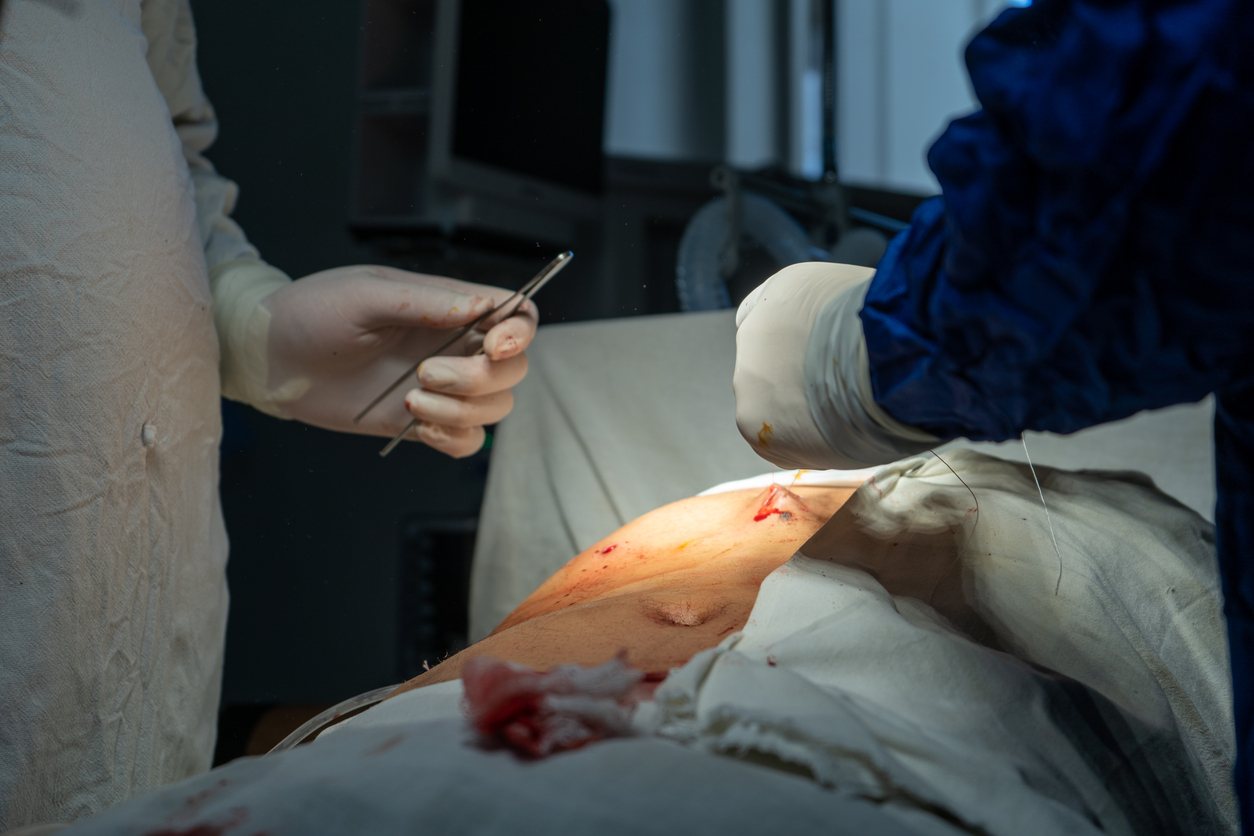
Pilonidal surgery: Sitting after surgery.
The most common question asked in the post-operative recovery of pilonidal sinus surgery is when the patient can sit normally again. The answer will depend on surgery and patient recovery.
At first, sitting is uncomfortable and a patient will have to change positions frequently. A surgeon might have specific restrictions on sitting or instructions on how to keep pressure on the surgical area low.
People working at a desk, driving for a long time or going to school will have to consider how sitting will impact their return to normal activities after pilonidal surgery. And the surgeon’s advice is crucial when it comes to how much activity restrictions can vary between procedures.
There’s no absolute time to take off work after pilonidal surgery. A person working remotely at a desk will face challenges different from a person doing lifting, bending and climbing or other physical activity.
Even a desk job can be uncomfortable if prolonged sitting puts pressure on the surgical site. The extent of surgery also matters. A relatively small surgical procedure may have a different recovery period than surgery for extensive or recurrent pilonidal disease.
In general, patients are ready to return to exercise once pain is better. But feeling better does not necessarily mean a surgical wound has been completely healed.
Walking, cycling, weightlifting and other activities may cause pressure, stretching, sweating or friction around the surgical area. Returning too quickly could interfere with healing depending on the operation.
Walking may be encouraged earlier in recovery but the surgeon should determine the level of activity to be done. Patients should ask when they can resume specific activities rather than assuming that all kinds of exercise can be resumed at the same time.
What does normal healing look like?
Healing isn’t the same for each patient. Some tenderness, swelling or drainage may occur after surgery. These symptoms should generally decrease as the patient recovers.
An open wound may look very different from a surgical incision after surgery and will take longer to heal.
The surgeon has the opportunity to examine the area and check whether healing is progressing. Patients who are unsure of how the wound is appearing should seek medical treatment, rather than attempting to diagnose a problem themselves.
Signs that may need medical attention.
Pain and changes to the wound can be part and parcel of recovery, but some of the symptoms may be indicative that a patient needs medical attention.
Increasing redness, swelling or warmth around the wound can be concerning, especially if the symptoms are getting worse rather than better. Increasing or foul-smelling drainage can also warrant attention.
Fever, chills, serious bleeding, worsening pain, or an incision that starts opening should be reported to the medical team very soon.
Patients must follow any postoperative instructions they received about when to call the surgeon or seek urgent care.
Hair Management following Pilonidal surgery.
The area around the buttock crease is relevant to pilonidal disease so some patients may receive instructions about managing hair after the wound has sufficiently healed.
The correct method can differ. Patients should not shave, use hair-removal products or apply other hair-removal techniques directly to a healing wound unless their doctor has said it is appropriate.
After healing is done, a surgeon may discuss longer-term hair management as a part of reducing factors associated with recurrent pilonidal disease.
Postoperative appointments are important even if the patient believes recovery is on track. The surgeon will examine the wound, assess healing and identify problems that are not causing significant symptoms at this point.
But patients with surgical sutures may need to be scheduled to determine if and when to remove them. Open wounds needing to be monitored may need to be monitored after surgery and healing will take a while.
Follow-up visits are a good time to ask about returning to the job, exercise, long sitting and other things that are done in a regular way.
How long does it take for a Pilonidal surgery wound to heal?
A small wound and a large open wound will not heal at the same rate. The surgical procedure, the location of the wound, the health of the person and complications all contribute to recovery.
So general recovery timelines won’t substitute for tailored advice from the surgeon who operated on you.
The patient will be able to feel much better even after the wound is completely healed. Wound care should continue at least as long as you need after pain and other symptoms are better.
Pilonidal Sinus Operation Recovery.
Recovering from Pilonidal sinus operations takes time and patience especially when wound care is not done in a period of several weeks after the surgery; patient recovery in Pilonidal sinus operation recovery is not easy to come out from and the wound can be very slow to heal.
How much pain is caused by the wound is the first step of healing and the rest of the process can be kept clean and dressing is to avoid any type of pressure on the wound and going to follow-up appointments after surgery to keep the area clean, follow up care and keep the wound clean.
Patients need to be aware of any change, not just how the wound feels one day and always see what the wound is doing at a specific time.
Pain, redness, swelling, drainage or other unusual symptoms, if any of those things which might cause pain, redness, swelling, drainage and other unexpected symptoms can be treated by the doctor should be addressed with a professional.
Each pilonidal surgery is different. The surgeon’s postoperative plan allows the wound to heal and patients to get back to their normal life.
Specialties
Recent Pilonidal Q&A

OFFICE HOURS
Monday – Friday
9:00 AM – 5:00 PM