Pilonidal cysts start as a little irritated spot on the top of the buttocks but get worse and worse as they become inflamed and infected. So far, the problem has only been a one-off and treatment is effective for some people. Pilonidal disease is a lifelong problem and can be treated with treatment. First of all, there are different pilonidal cyst treatments: mild treatments for mild conditions and more serious and long-lasting pilonidal cyst treatments for chronic or recurring disease. The treatment is based on infection, the presence of the affected tissue, whether or not the cyst has been there before and the symptoms of the patient. Knowledge of the different pilonidal cyst treatments is important for patients to remember and take into account when speaking to a doctor.
What is a Pilonidal Cyst?
A pilonidal cyst is a pocket or abnormality formed in the crease between the buttocks around the tailbone, filled with dead skin cells and other debris that is trapped under the skin and causes irritation and inflammation.
Some pilonidal cysts do not have symptoms or do not show symptoms. Some infect their hosts and become abscesses. The infected area may be swollen and tender, warm to the touch and filled with fluid.
Pilonidal disease is most common in adolescents and younger people but can affect people of all ages. It can result from prolonged sitting, friction, coarse body hair and deep skin creases.
Conservative Pilonidal Cyst treatment.
Not all pilonidal cysts need surgery. Where the area is not infected and there are few and far between symptoms, healthcare professionals will recommend monitoring and appropriate treatment to minimize irritation.
Cleaning and keeping it dry is important. Hair removal around the affected area may also be a goal. If not as acute as the patient’s needs and medical advice may be shaving, clipping, depilatory products or laser hair removal.
There are no treatments for a pilonidal sinus that can be removed. Conservative treatment will reduce irritation and build-up of hair and debris which can result in further complications.
The patient should be particularly concerned if pain is worsening, swelling, redness or drainage are expected.
Treatment of an Infected Pilonidal Cyst.
If a pilonidal cyst is infected, there is an abscess on the skin. An abscess is a collection of infected materials that can cause great pressure and pain in the skin.
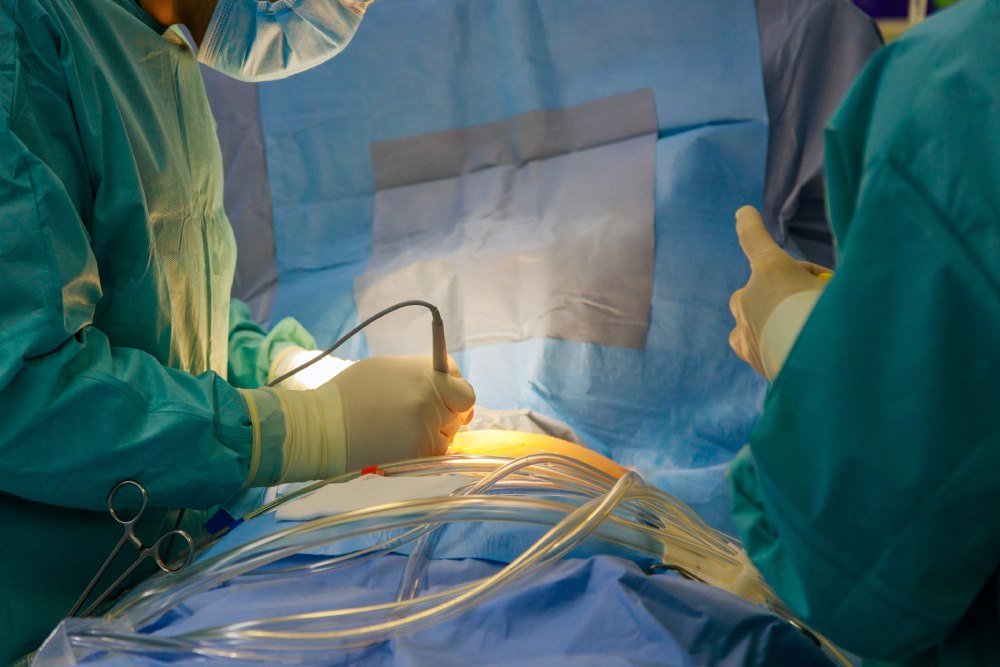
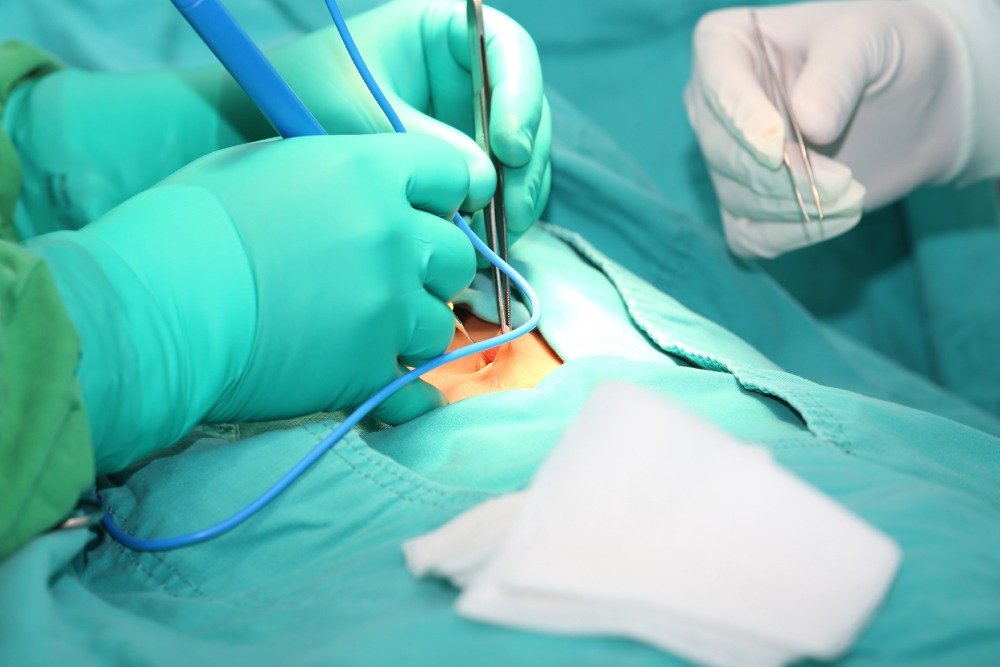
The most common treatment for the pilonidal abscess is surgical incision and drainage. If a doctor makes a small opening so that the abscess drains through the area of the skin, it will drain.
Drainage is relief because it relieves pressure from under the skin of the collected material. The wound could be left open so that the abscess would continue to drain and heal.
But the abscess does not always cure pilonidal disease. The sinus openings (and tracts) that caused the infection may still be there. And patients might get another infection later on and need treatment.
Are antibiotics used for Pilonidal Cysts?
Many patients believe antibiotics can remove an infected pilonidal cyst by themselves. Drainage is the best treatment for abscesses and the most effective treatment because antibiotics alone will not be able to get rid of the closed collection of infected material.
In the case of infection in the skin around it and the doctor thinks antibiotics are appropriate, antibiotics should be prescribed.
The need for antibiotics needs to be determined for individuals and people cannot take leftover antibiotics and try to treat a suspected pilonidal infection without medical examination.
Minimally Invasive Pilonidal Cyst Treatments.
Some patients would be more likely to get less invasive treatment if the disease is relatively limited.
One way would be to remove or treat little pits or openings of pilonidal disease instead of taking out a lot of surrounding tissue. Different methods can be used to remove hair and debris and treat the sinus tract.
Endoscopic techniques may also be used in some treatment centers. Small cameras and specialized instruments are used to identify and treat the tract from the inside.
The advantage of minimally invasive treatment is that it involves small wounds that will impact less on daily life. But these treatments cannot work for every patient, particularly if pilonidal disease is extensive and has happened at least once and is recurrent.
Surgical Pilonidal Cyst treatments.
A surgical therapy may be needed for chronic, extensive or recurrent pilonidal disease. The aim is to remove or eliminate the diseased tissue and decrease the likelihood of the problem recurring.
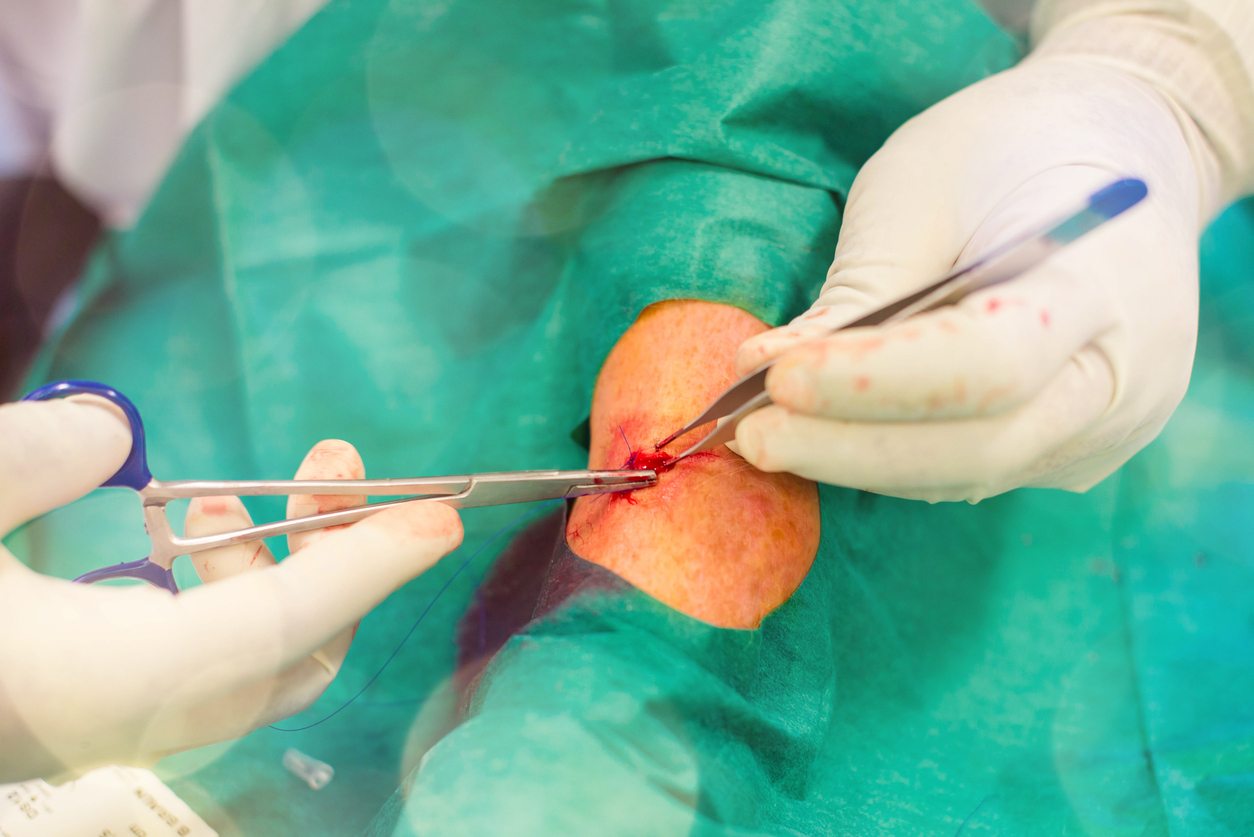
There are various surgical options. In some cases, the diseased tissue has been removed and the wound is left to heal slowly. In others, the incision is closed after the diseased tissue has been removed.
In more complicated or recurrent cases, surgeons can perform an off-midline closure or flap surgery. The incision is moved away from the deepest part of the buttock crease and curvature or reshaping of the cleft is possible.
Many surgical procedures such as the cleft lift are intended not only to remove the affected area but also to address the anatomical problems associated with persistent pilonidal disease.
The type of surgery depends on the size and location of the disease and previous treatment experience of the patient and the individual.
What happens after Pilonidal Cyst treatment?
Recovery from surgery depends drastically on the type of treatment. A small procedure can be more effective than a large surgery.
Wound care is a key component of recovery. You’ll be instructed about bathing, dressing changes, hair care, physical activity and how long to avoid sitting or strenuous exercise if you’re recovering.
There will be postoperative follow-up visits if recovery is slow and complications or recurrence occurs.
Recovery in the postoperative stage should be guided by the surgeon’s instructions rather than by someone else’s experience.

Will a Pilonidal Cyst Come Back after Treatment?
Pilonidal disease may return after drainage and may even be present after surgical treatment has been done.
Many factors are involved in the likelihood of recurrence, including the extent of the disease, the treatment of the disease, wound healing, anatomy and whether there is hair and debris in the area still.
If a patient has had numerous abscesses or failed to treat them, getting a physician with experience in the treatment of recurrent pilonidal disease might be valuable.
Choosing Between Pilonidal Cyst Treatments.
There is no treatment for every pilonidal cyst. A small asymptomatic area might require no treatment, while an abscess may require drainage. Chronic or recurring disease may require a more thorough treatment to address the underlying sinus tracts.
If you’re still experiencing pain, swelling, drainage, or recurrent infections at the tailbone, a medical evaluation could help determine if pilonidal disease is to blame.
A healthcare provider can evaluate the extent of the disease and suggest which pilonidal cyst treatments would be appropriate in light of symptoms and medical history and if the problem has been seen before.
Specialties
Recent Pilonidal Q&A

OFFICE HOURS
Monday – Friday
9:00 AM – 5:00 PM