The most frustrating part of pilonidal disease for many patients is often not the first cyst. The one the patient experiences is the second, third or even fourth one. Many people assume the problem has settled after enduring pain, drainage, antibiotics or surgery — only to have another painful lump form in the same area months or years later. Sometimes this cycle can demoralize, although recurrent pilonidal cysts are more common than many people realize.
The good news is that recurrence is usually preventable. Advances in surgical techniques and a deeper understanding of how pilonidal disease develops have fundamentally changed the way in which doctors approach treating disease. The current treatment is planned to not only excise the existing pilonidal cyst but also to treat the causes by addressing the underlying conditions that predispose it to recurrence.
Why Do Pilonidal Cysts Return?
A pilonidal cyst is not just an isolated infection under the skin. Several factors in the mix interacting with each other over time, lead to it. If those conditions persist after treatment, the risk for recurrence remains high.
Hair is one of the primary contributors. Loose hairs accumulate in the crease between the buttocks, where motion and pressure can pull them under the skin. The body thinks of these hairs as alien objects, which brings on inflammation and ultimately creates a cyst or abscess.
The natal cleft’s shape also plays an important role. A deep, narrow cleft holds moisture, debris, and hair. The result is friction when a person sits down, walks, or exercises. This environment makes it easier for new sinus tracts to form even after a previous cyst has healed.
Infection Is Not All That’s Behind the Problem
Pilonidal disease is generally thought of as an infection that requires antibiotics. Infection will usually develop after the cyst has formed; however, bacteria are not the original causative agent.
Underlying this phenomenon is the repeated penetration of hair into the skin combined with chronic irritation. Though the main objective of antibiotics is to help reduce swelling and control the infection for short periods of time, they do not eliminate the sinus tract or change anatomical conditions which gave rise to cysts. If we do not deal with these real issues, symptoms will return again and again.
Incomplete Removal Can Leave Disease Behind
One reason recurrence happens is that small sinus tracts can linger under the skin following treatment, despite the surface appearing healed. These little channels can keep collecting hair and debris long after the surface has healed.
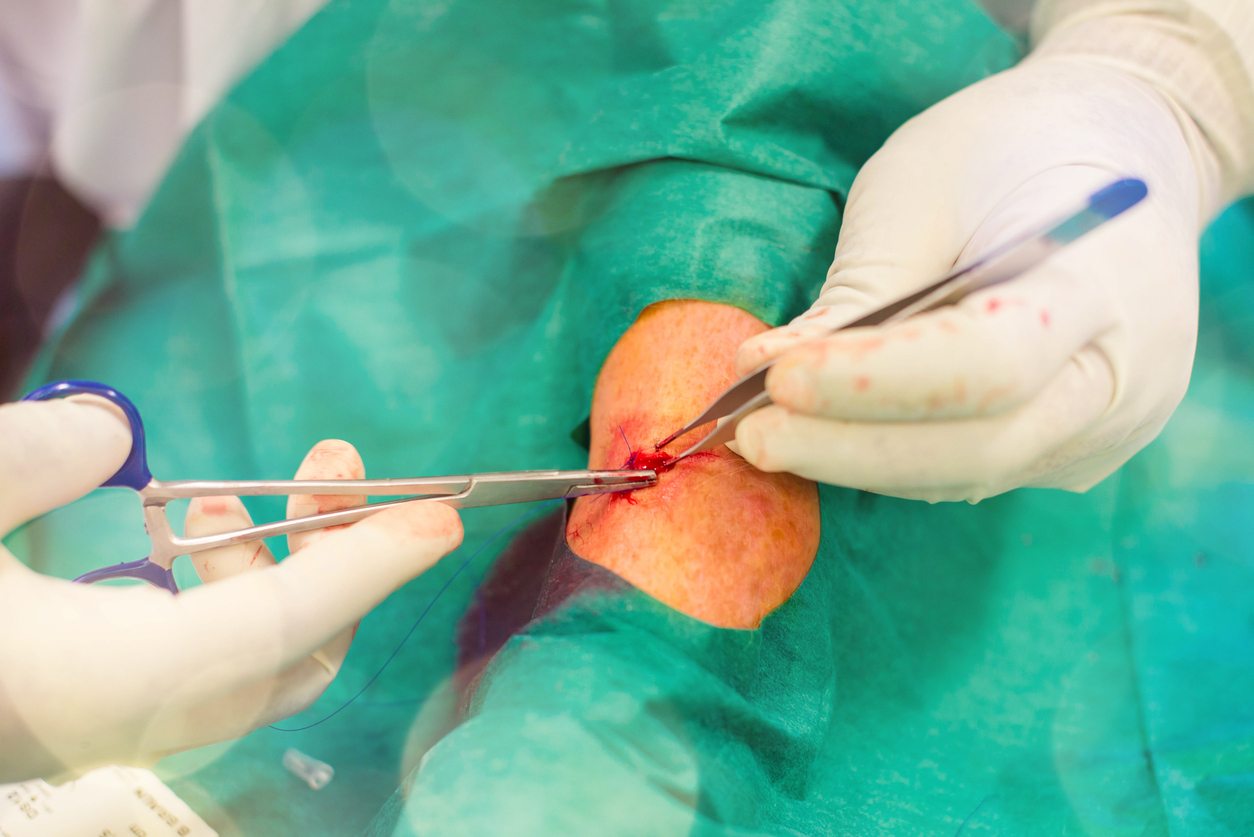
Traditional drainage techniques are especially effective at relieving painful abscesses, and the purpose of this is to treat the acute infection and not eradicate the disease process. Due to the residual sinus, many patients need extra care after any surgical incision and drainage procedure. Microscopic branches of the sinus tract can be retained after surgery if it is difficult to identify them in surgery.
Midline Incisions Can Increase Recurrence
The last couple of decades have seen a lot of new research that has altered the way surgeons think about pilonidal disease. A key finding is that lacerations near the midline of the natal cleft are typically more slowly healing and have higher recurrences.
The middle of this cleft is constantly moist, under pressure, friction, and also there are bacteria growing there. Whenever someone sits up, bends down or walks about, the wound is stressed again and again. Healing in this area is therefore difficult.
The incision is usually not positioned directly in the middle of the cleft when possible in a lot of modern practices. Shifting the surgical closure from the deepest part of the cleft is to provide a better healing environment.
Lifestyle Factors that May Reinforce the Condition
While anatomy is the most important factor, there are many lifestyle factors that can increase the risk of recurrent pilonidal disease.
Sitting too long increases pressure through the natal cleft, creating friction that could push loose hairs into the skin. That’s a large reason pilonidal disease is prevalent in office workers, truck drivers, students and gamers.
Heavy sweating makes the environment moist, facilitating skin irritation over prolonged timescales. Tight clothes may cause rubbing and can retain more heat and moisture.
Rapid weight gain can deepen the natal cleft, leading to friction and increased hair build-up. Repetitive movements around the tailbone, such as cycling or certain types of exercise, might also contribute in some cases.
These are risk factors for pilonidal disease and they do not cause it, but they can increase the chance of a return in susceptible patients.
Why Hair Management Matters
Removing the cyst does not prevent loose hairs from entering the skin in the future. This is why a lot of specialists suggest long term management of the hair for recovery.
Hair that gets removed around the treatment area will allow fewer loose hairs to penetrate skin. Some patients need treatment with clipping or trimming; others may be candidates for laser hair reduction, which diminishes long term hair growth in the region.
Your surgeon will advise your skin type, hair characteristics, and treatment plan which method is most appropriate for you.
The Latest Treatment Treats the Cause
Today’s specialists realize that a successful treatment is not only a matter of removing infected tissue.
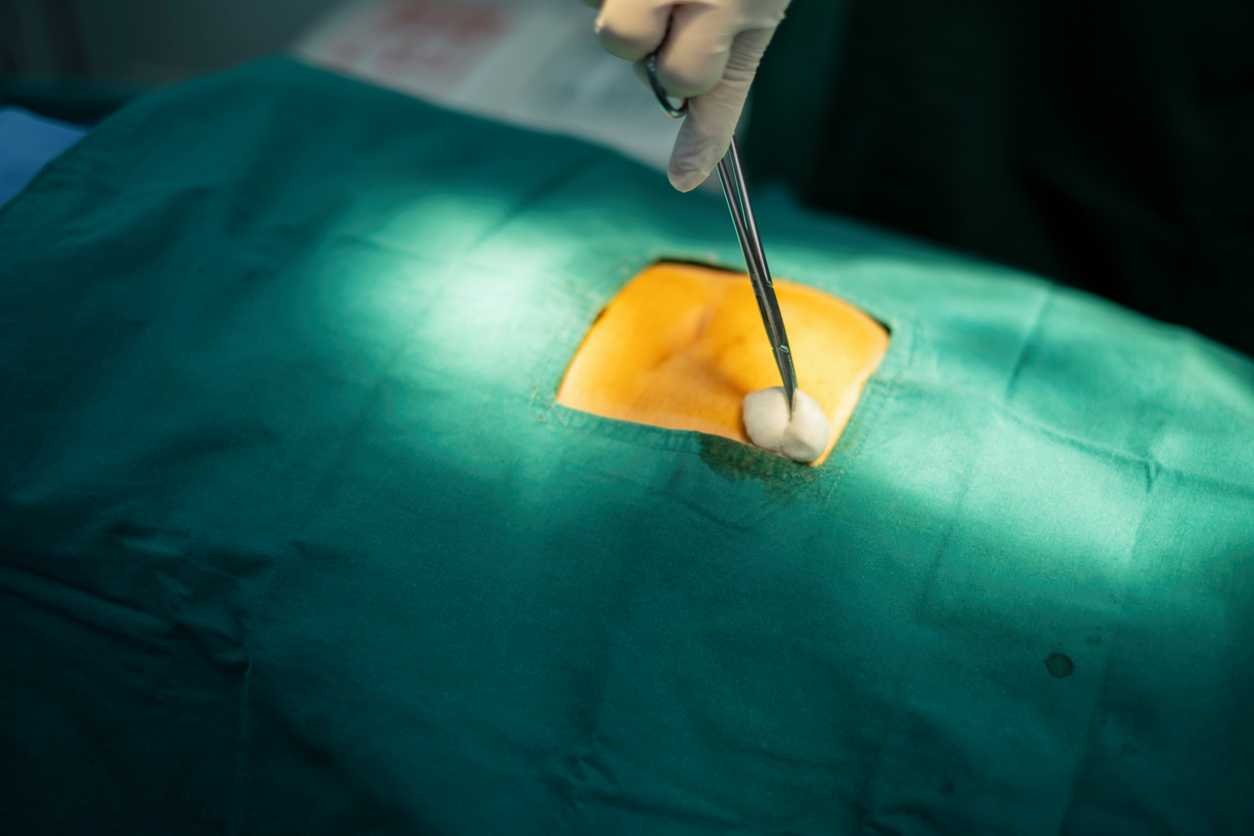
Current techniques are intended to remove diseased sinus tracts and optimize the natal cleft. Doctors reduce its depth, making the area easier to keep clean, less prone to trapping hairs, and experiencing less friction during everyday tasks.
Depending on the degree of the disease, treatment may take place either through minimally invasive procedures on the smaller sinus tracts or more complex reconstructive procedures on the more extensive or recurrent forms. The aim always is to help avoid the conditions that enable pilonidal disease to occur.
Recovery Is a Chance to Avoid Future Issues
Recovery is not just about letting the wound heal. It is also the moment to build habits that reduce the risk of recurrence.
In all aspects of the healing process you can help ensure success later on with instructions on wound care, follow up visits, control the hair if your surgeon tells you to, maintain good hygiene, minimize long-term pressure during the early days of healing as much as possible, and slowly reintegrate the body to life as usual.
Patients who know why pilonidal disease occurs tend to be better prepared to manage and protect their outcome following treatment.
When Should You See a Specialist Again?
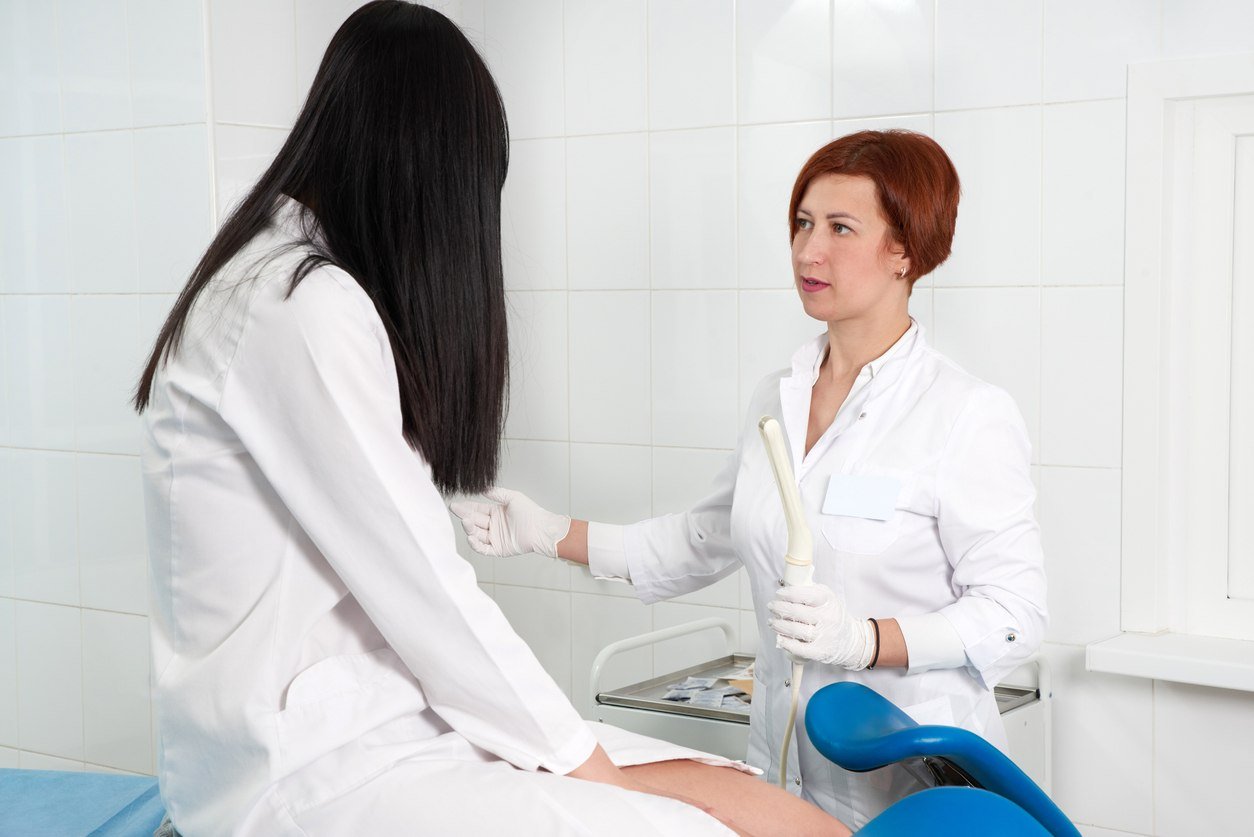
If you continue to have drainage or develop a new lump near a previous surgery site, be it a sore, swelling, redness, or recurrent infection, you should get an evaluation. Early treatment may keep a minor problem from developing into a major abscess or a complex recurring disease.
Most patients think if they have a repeat, they will have to deal with it. In fact, treatment options have greatly enhanced long-term outcomes in individuals with recurrent pilonidal disease.
Breaking the Cycle for Good
Recurrent pilonidal cysts do not always arise from a patient’s own actions. They most often represent the intricate interplay of anatomy, hair, friction and chronic inflammation. Understanding these factors has led to better treatments that address the root causes rather than simply relieving symptoms.
A custom-furnished program of treatment combined with proper preventive care has been taken up by many patients and brought them back to normal once more confidently and comfortably.
Specialties
Recent Pilonidal Q&A

OFFICE HOURS
Monday – Friday
9:00 AM – 5:00 PM