A painful lump near the tailbone can change a person’s life very quickly, particularly if it gets swollen and infected or starts to drain. Most people experience pilonidal disease first during an acute flare, but they tend to see the disease as a one-time event. But for many patients, a single episode can become more chronic. It is vital to know when to drain pilonidal cysts, how pilonidal abscess management works, and what pilonidal cyst medical treatment is— critical to the right care and to preventing multiple infections.
What Happens When A Pilonidal Cyst Is Infected?
A pilonidal cyst develops when hair, debris and bacteria are stuck under the skin near the cleft of the buttocks. Friction, prolonged sitting, perspiration and hair growth also induce inflammation at this level. When bacteria reproduce, pressure begins to build beneath the skin that can form an abscess. Many patients who develop this abscess will suffer with extreme pain along with some redness and swelling and also warmth, and often fever or draining of a foul odor. Often at this juncture, patients enter emergency care, where the pain turns to unbearable. Patients require significant treatment for a pilonidal abscess, as further delays can worsen or hasten the progression of the infection.
Pilonidal Cyst: What It Is and What It Is Not
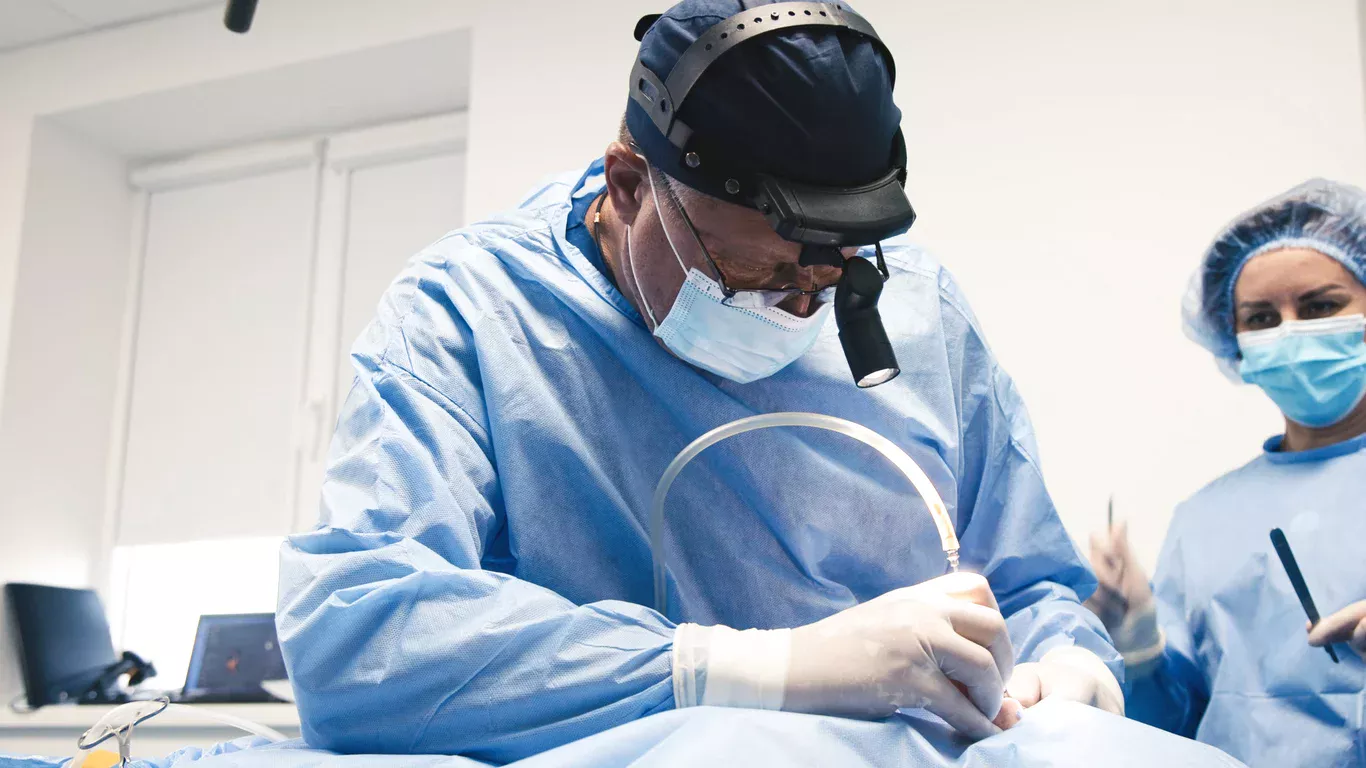
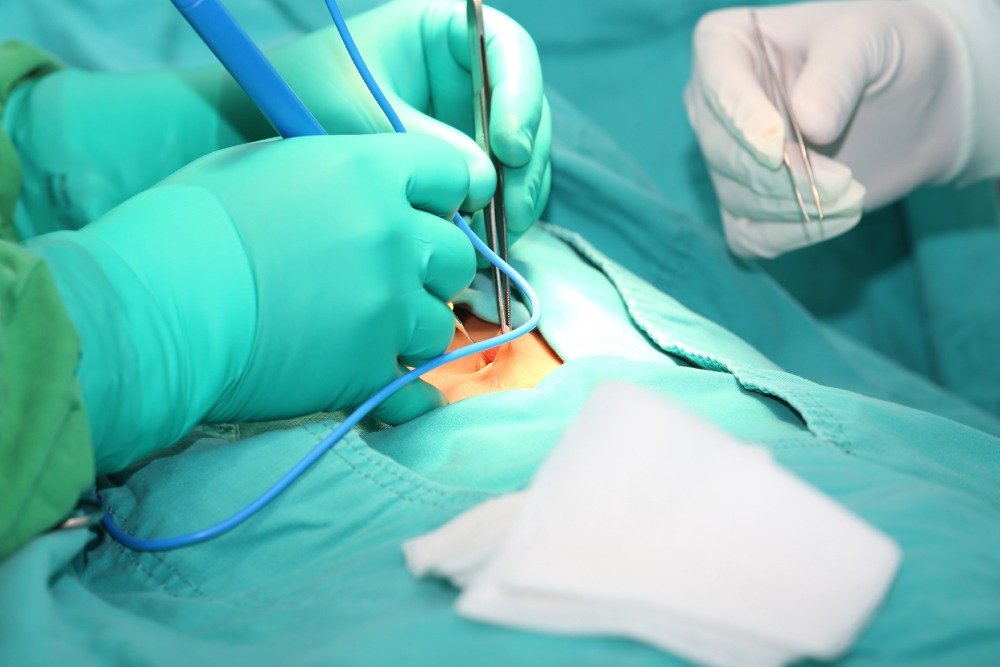
Pilonidal cyst drainage is frequently the first treatment provided to an infected abscess. One clinician makes a small incision in this process to let go of trapped pus and pressure. Drainage is usually quick for pain relief and to control immediate infection. In many cases, antibiotics may be prescribed if there are signs of surrounding skin infection or systemic symptoms. Though drainage might effectively treat the acute abscess, it can’t rid the body of its underlying cyst cavity or sinus tracts. This is also the reason countless patients feel relief for weeks and months at a time, only to see symptoms return again. Drainage deals with the infection — but not the disease.
Why Do Certain Patients Develop It?
Chronic pilonidal disease is when the cyst becomes inflamed, and with time, fails to properly heal after an initial infection. Sinus tracts can develop beneath the skin over time, forming tunnels through which hair and bacteria can be caught. These tracts may intermittently drain fluid, bleed, or flare into painful abscesses again. Those with chronic disease often report cycles of swelling, drainage, and temporary improvement. Sitting gets uncomfortable, exercise may be limited, and the ongoing drainage can affect work and even daily life. Chronic pilonidal disease seldom resolves spontaneously without treatment.
The Limits of Repeated Drainage Procedures
Most patients have had multiple drainage procedures before learning that a flare-up is neither normal nor inevitable. Repeated pilonidal cyst drainage may control individual flare-ups but does not remove the root cause. Each episode of infection might result in increased scarring, deeper sinus tracts, and more complex disease. As pilonidal disease becomes chronic, treatment often requires a more comprehensive approach than frequent visits to the emergency department. Identifying this transition early can avoid years of pain and subsequent infections.
Advanced Treatment Options for Pilonidal Abscess
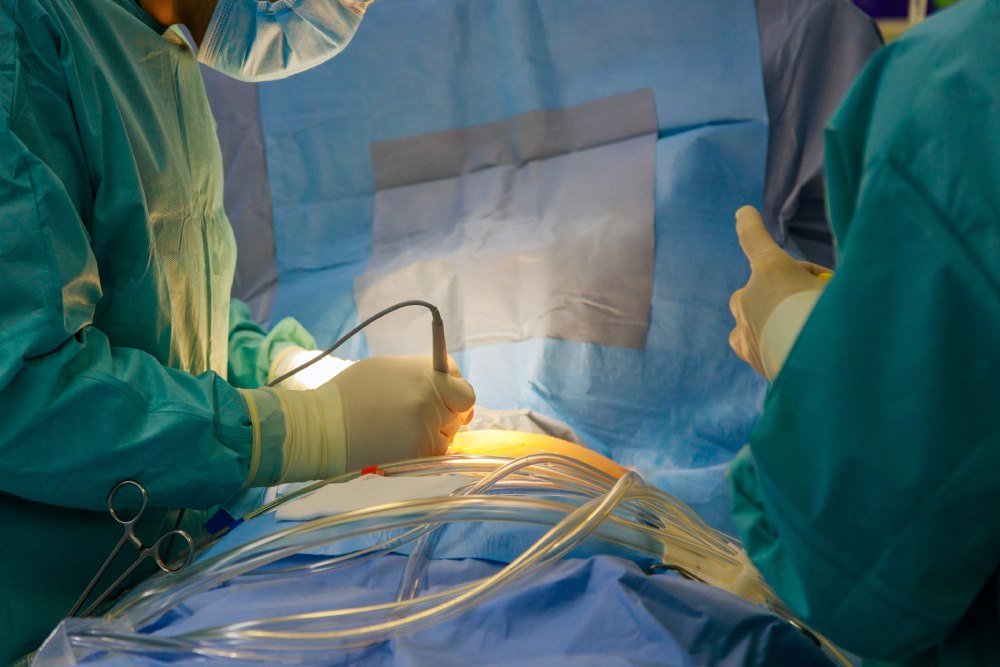
The most common form of treatment, surgical treatment is recommended when pilonidal disease occurs frequently and/or chronically. Surgery involves excising diseased tissue, removing sinus tracts, and promoting long-term healing. Presently there are few interventions available to treat pilonidal abscess which will reduce the recurrence, time to return to normal and downtime, and wound complications. There are options, such as limited excision, minimally invasive techniques, or flap-based techniques which flatten the cleft to assist with the reduction of hair formation and moisture retention, depending on the phase of the disease. A specialist assessment is required to determine which approach will best suit the patient’s anatomy and disease progression.
Healing and Recovery from Therapy
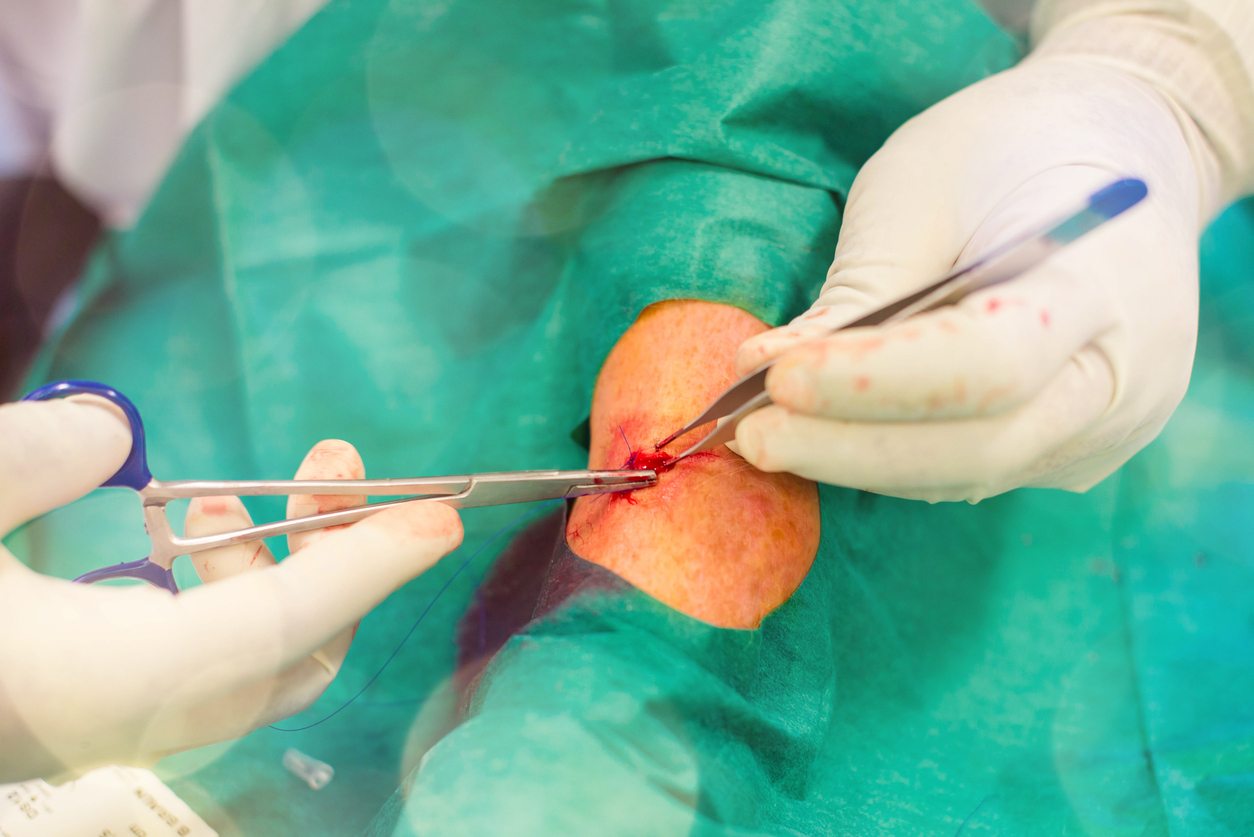
Recovery depends on the type of therapy and severity of the disease. Simple drainage will allow healing for weeks, but it can recur. Post-surgery, recovery might be wound care, limitations on activities of daily living as well as hygiene and hair grooming. Patients who participate in the overall adherence of all post treatment schedules improve their quality of life significantly such as reducing pain, infections and the possibility to sit and move comfortably again.
When To Get Specialized Care
If the pilonidal cyst has been drained more than once before, continues to drain its fluid, or still feels uncomfortable – you can tell that this is serious chronic pilonidal disease, but early help of a provider who specializes in managing pilonidal abscesses could help you avoid more complications and lower the chances of a recurrence. Patients should not take repeated infections for granted as normal living situations. This is something to be perceived as constant bother, rather than when the patient finds it easier to deal with that. And if carefully assessed and treated individually, lots of people can also recover and emerge from them with lasting relief and healing.
Conclusion
Pilonidal disease is on a spectrum, from acute problems such as new abscesses to chronic, recurrent infections. Pilonidal cyst drainage is critical for the management of acute exacerbations; but it does not always conclude the disease. When patients can observe the exhaustion of temporary care, they can seek for themselves other options which produce a long-term resolution. If continuing pain, drainage or repeat abscesses persist or the problems continue, then they can be stopped, comfort should be restored confidently and they must remain part of a comprehensive treatment program.
Specialties
Recent Pilonidal Q&A

OFFICE HOURS
Monday – Friday
9:00 AM – 5:00 PM