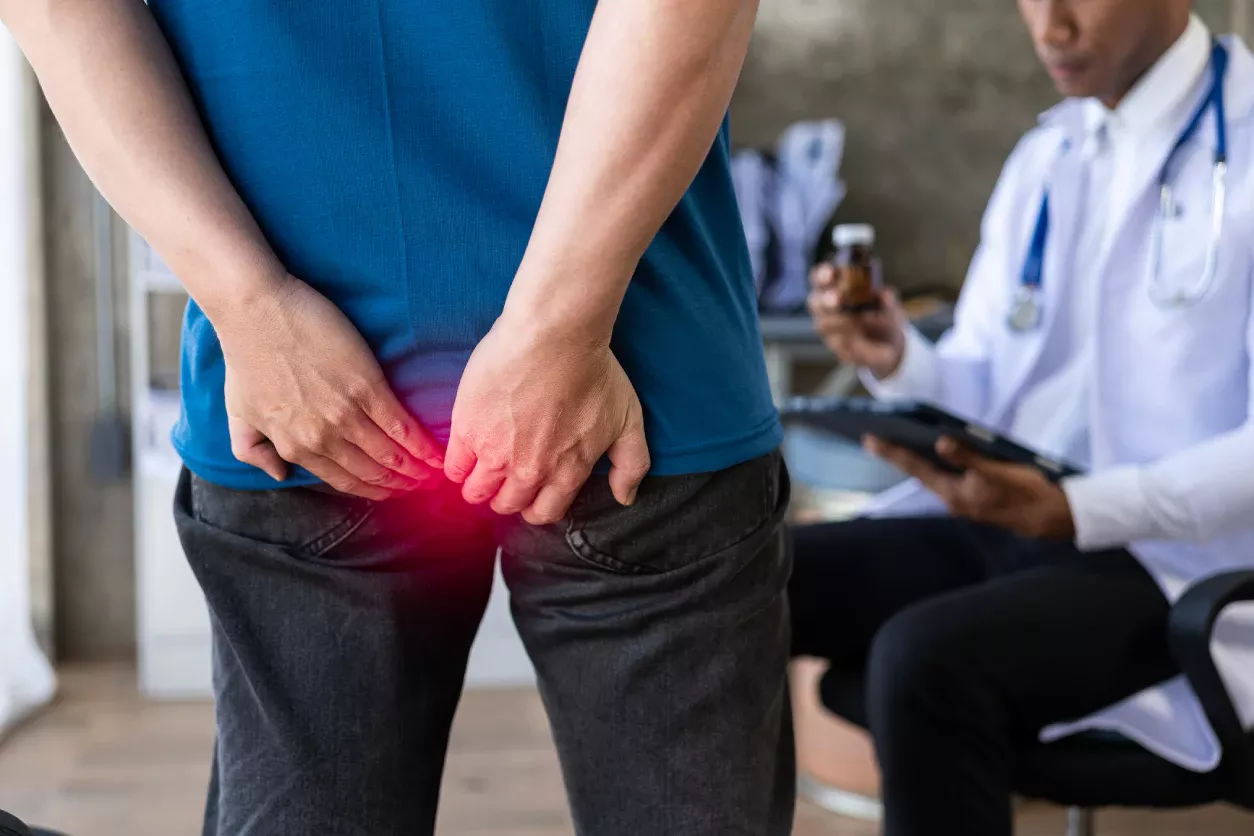
If recurring pain, swelling, or drainage near your tailbone occurs, you are not alone. Most of us are not aware of how common pilonidal disease truly is, and this mostly manifests itself as well in young adults and adolescents. It seems the better news is that pilonidal cyst treatments for pilonidal cyst have advanced dramatically throughout this period. Now they can be achieved using simpler, less intrusive methods. Identifying the specific pathology of the disease leads to treating the appropriate treatment first. A pilonidal cyst forms near the top of the buttock crease which is often due to hair and debris that is trapped underneath your skin. Over time, it can cause inflammation, infection and abscess formation. Some feel only minor irritation; others develop serious, painful infections that interfere with their day-to-day lives. Treatment effectiveness, however, depends on whether the cyst is infected, whether it has recurred, and how big the sinus tracts have grown.
The Early Management of Pilonidal Cyst Course
When it first develops, the cyst can be mildly tender or even swell, and there might be no infection. This time may be when conservative treatment is warranted. Warm compresses are effective for reducing inflammation and favor natural drainage should a fluid build-up ensue. With moisture and friction that increase the suffering from the skin and makes things worse, it is especially important to clean and dry the skin. Prevention and early intervention require hair removal. And because loose hair is typically a factor, regular shaving or laser hair removal can decrease flare-ups quite a bit. Laser hair removal has been demonstrated to effectively prevent recurrence in patients with chronic pilonidal disease. If there is redness outside of the cyst or evidence of skin infection occurring nearby, antibiotics can be prescribed. But it’s important to remember that antibiotics alone are not going to fix a pilonidal cyst. They target infections in adjacent tissues and do not remove the sinus tract.

An Infected Pilonidal Abscess: Therapeutic Management
When a pilonidal cyst becomes infected, it can turn into a painful abscess filled with pus. Symptoms typically consist of throbbing pain, swelling, warmth and sometimes fever. Here, incision and drainage is usually the first treatment. In an office, this process consists of creating a small opening in the abscess around the injury that prevents pus from remaining trapped. Once pressure is relieved, patients frequently have instant relief of pain. The cavity is cleaned and loosely packed with gauze to continue drainage. Incision and drainage remove the acute infection, but do not remove the cyst wall or sinus tracts. Consequently, recurrence is frequent. It occurs a lot of patients that have their drainage need better surgical solution if they are to not get repeat infections.
Excision for Chronic Pilonidal Disease
If pilonidal cysts are recurrent or multiply in sinus tracts, surgical resection is frequently advised. Excision is the process of removing the cyst, along with any closely connected tracts underneath the skin. Excision has two conventional methods. The first method is to excise the diseased tissue and leave the wound open for it to heal from the inside out. This approach reduces the chance and risk of a trapping of infection, but it takes a longer time in the healing process. Wound care can last weeks, but could also be several months if the cut is of large size. The other is to extract the cyst and close the wound and suture it closed. And this aids in faster healing, often within a few weeks. But if you close that incision in the midline directly, as some patients have, the risk of recurrence is increased. Open healing versus primary closure depends on the size of the cyst, patient health factors, and surgeon preference.
The Flap operations / Cleft Lift Technique
Advanced surgical techniques are recommended for patients with advanced or recurrent pilonidal disease. A flap-based procedure, commonly called a cleft lift, is one of the more successful procedures. Instead of simply removing the cyst, a flap procedure reshapes the region. Then the surgeon removes the diseased tissue and flattens the deep buttock crease where hair and moisture often gather. This strategy targets the underlying cause of recurrence by moving the incision off the midline and reducing the depth of the cleft and thereby addressing the underlying cause of the recurrence. Flap procedures have lower recurrence and faster functional recovery than traditional surgical excision alone. Most patients return to usual activity within a few weeks, and long-term results are generally excellent when carried out by an experienced surgeon.
Minimally Invasive Pilonidal Cyst Treatments
Technological advances have allowed for a number of minimally invasive methods on selected individuals. These methods are particularly attractive for those with limited sinus tracts or early chronic disease. Pit picking is a minor procedure, as it removes only the visible sinus openings through tiny incisions. It avoids large wounds and usually permits shorter recovery. But it may not be appropriate for extensive disease. Another current alternative is endoscopic pilonidal sinus treatment. With a small camera inserted into the sinus tract, hair and debris can be removed and inflamed tissue can be cauterized from within. Since the incisions are small, the recovery is often faster and less painful than conventional surgery. Not all patients are fit to receive minimally invasive treatment. A complete evaluation is essential to establish whether such approaches work given the disease pattern.
Recovery From Pilonidal Cyst Treatment
Recovery time depends on what type of procedure is done. Patients needing just simple pilonidal cyst drainage recover swiftly within days, however the wound must still heal well. Those who take an open route with excision may take several weeks of wound care to heal, while in the case of closed excision their return to work and daily routines generally gets much easier. Flap procedures tend to rehabilitate the patient and allow for two to three weeks of normal activity after the restoration, while heavy lifting or physically demanding exercise may take longer. Wound care helps reduce the risk of recurrences. When the area is clean and dry and devoid of hair, long-term outcomes are significantly better. Patients are counseled not to sit for prolonged periods during the early recovery, as well as to maintain a healthy weight in order to limit the amount of pressure applied on the surgical site.
Preventing Recurrence
Chronic pilonidal disease may, even with good treatment, develop again if the disease risk factors are not addressed. Regular hair removal, particularly when done with laser therapy, is less likely to lead to trapped hairs returning to the skin. Good hygiene and reducing moisture in the buttock crease is part of the solution, too. A small ailment can spiral into a painful pilonidal abscess treatment when it’s an early reminder to intervene at the first sign. In most cases of patients who have recurrence, there was incomplete removal of sinus tracts or incisions at midline at the point where the tension and moisture prevent healing.
Selecting the appropriate Pilonidal Cyst Treatment
There is not a single best treatment for all patients. Whether to pursue the appropriate approach ultimately depends on whether infection is present, if there are many sinus tracts, if the cyst has recurred, and the patient’s general health. For first-time infections, incision and drainage might be satisfactory for the time being. For chronic or recurrent disease, surgical excision procedures or flap procedures yield more definitive results. Minimally invasive methods are promising options on a selected basis, but need to be carefully chosen. Consulting with a colorectal specialist provides the treatment plan according to the type of disease rather than a one-size-fits-all solution.

Conclusion
Frequent flares in pilonidal cysts make living with them a source of annoyance. Thanks to advances in treatment, the pilonidal cyst has become more effective and patient focused than ever before. From the most conservative and least invasive procedures as well as sophisticated flap techniques for pain relief and prevention of recurrence, there are certain therapies available. Early medical examination may help to decrease incidence of complications if you develop persistent tailbone pain, swelling or drainage and shorten recovery. In combination with treatment and aftercare, long term relief is completely possible.
Specialties
Recent Pilonidal Q&A




OFFICE HOURS
Monday – Friday
9:00 AM – 5:00 PM