
There is a precise type of discomfort that is easy to dismiss at first. It begins with a dull twinge in the spine, around the bottom of the spine, the part closest to where sitting puts the most pressure. Or it may resemble a bruise, or annoyance from sitting too long. But the soreness can give rise to sharper, perhaps even long-lasting, pain — pain that’s difficult to shrug off over time. What many people don’t realize is that there are far more issues and issues like this as part of that bigger picture than they realize, and a pilonidal cyst problem rarely resolves on its own without proper care.
What Causes A Painful Lump Closer to the Tailbone?
The area of that crease between the buttocks. Friction and tension, and pressure and hair all contribute. Loose hairs could be trapped under the surface. Add sweat and constant activity to that equation and inflammation — and yes, possibly infection — can set in. When this process starts, the body responds by creating a swollen pocket that fills with fluid or pus. That’s when the pain starts getting really bad. Sitting is awkward, certain movements feel confined while the area can also turn red or swollen. It doesn’t happen overnight but begins to build over time, frequently with little warning.
Why Does It Look Like It Could Be Coming From Nowhere?
For many patients, it’s a sudden onset of pain that’s at once the first sign, though the pilonidal disease may still have started quietly. Sitting, tight clothing or simply repeated movements can worsen the situation. Individuals who work at their desks or drive long hours, or those whose employment requires long sessions of sustained lower back pressure, could be at even more risk.
And younger adults are also more susceptible to this, especially those with coarse or thicker body hair. But it doesn’t apply to any particular category of people. It could happen to any — and when it does, it can come abrupt and disconcerting. There Are warning signs that it’s much worse than irritation. First time experience, soreness might seem to be milder or less severe irritation, but the clinical signs that come with pain point to much more serious issues. Early symptoms are usually pain, swelling and warmth in this part. As it proceeds, the pain becomes so unbearable that you’re no longer able to carry out normal activities. There’s going to be drainage, clear fluid or something thicker. There is also the slight smell hanging from the clothes. If the infection worsens, fever or fatigue may arise. This symptom is a sign that your body is actively working against something, and should not be overlooked.
Can It Go Away on Its Own?
So this is a kind of common question for how to respond to it — and the answer for that response is generally no — not entirely. While the symptoms may fade for a while, the underlying issue continues to appear. And if not treated, it can occur in multiple instances and, often, become worse with every flare. Some people experience pain repeating where the tissue swells and drains and again and goes down and returns then up again. If not treated however, it can last for months, sometimes even years. Well, the early intervention really is key. And treating it earlier avoids more complicated problems later.
What Constitutes Treatment?
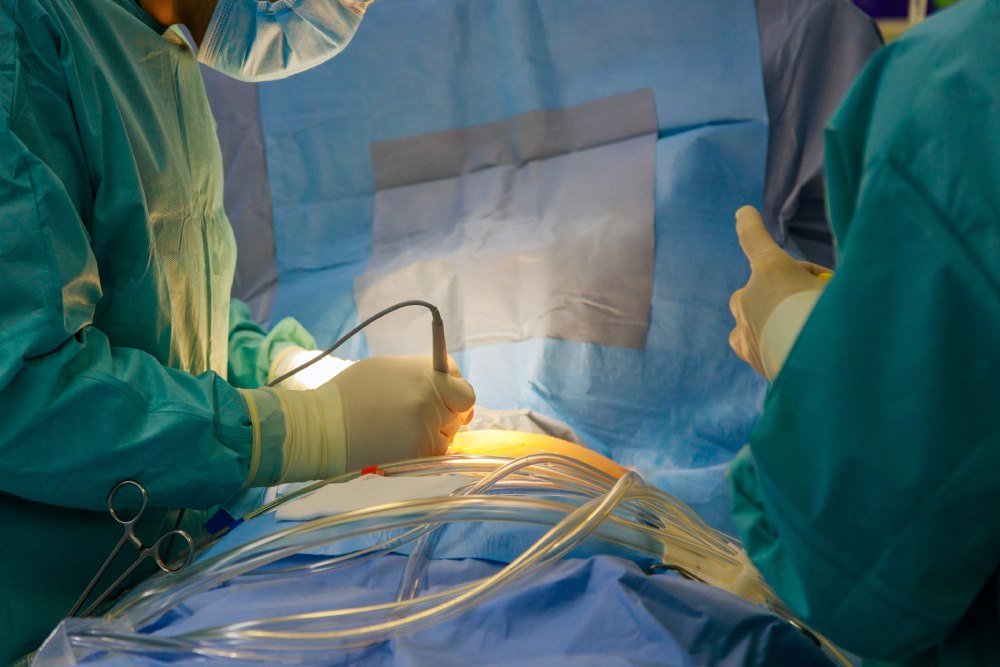
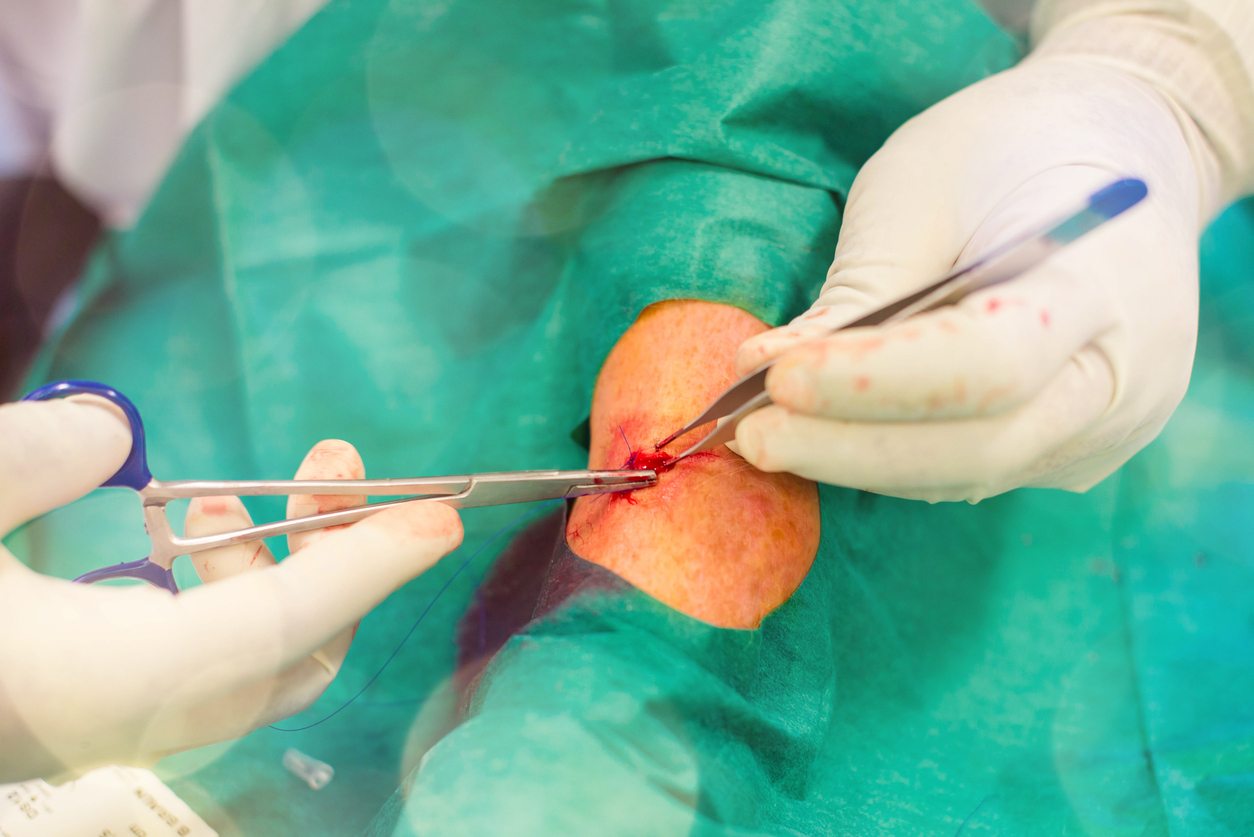
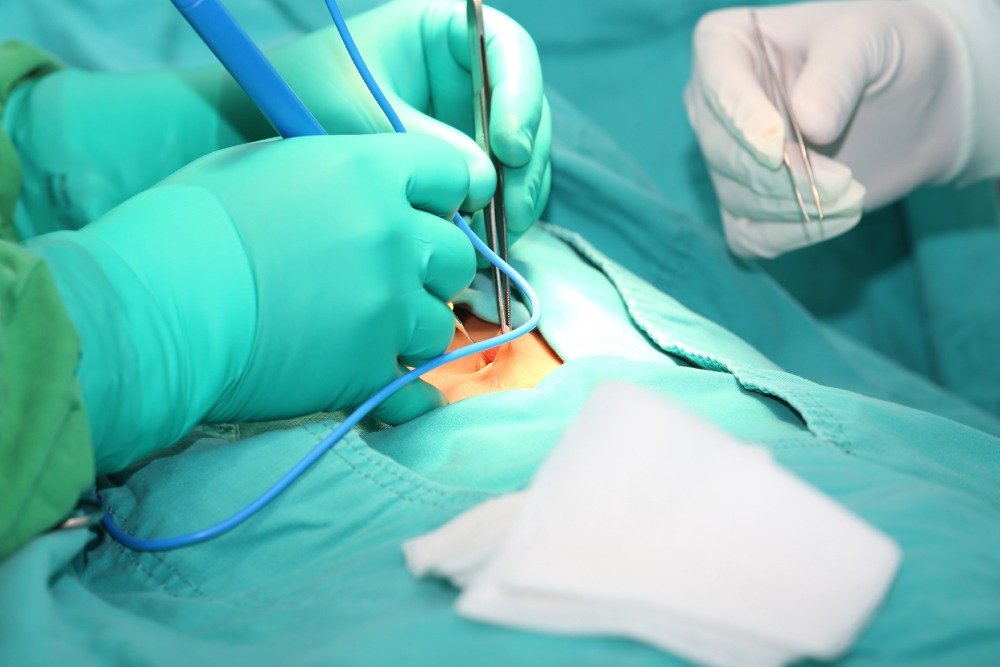
Appropriate pilonidal cyst treatment varies based on the state of the problem. At earlier stages, minor things like cleaning up, lifting pressure and cutting off hair will suffice if they control symptoms. So if there is a potential infection we should seek treatment from a doctor. Normally the first thing you will do is to relieve pressure on the affected area by draining the affected area. You only do this in the doctor’s office, where it’s immediate relief. Due to the nature of the pain, in cases of more recurrent or persistent damage additional surgical interventions might further be recommended, to treat the specific injury and to minimize the risk of recurrence. New developments in care have made treatment manageable, a fact that many in the American family are much better able to comprehend now than before. Today, the majority of that is about relieving pain for the patients, getting better faster, and getting them back to normal quickly.
So Why Do Certain Cases Continue to Come Back?
And why do we keep coming back for treatments! Recurrence is one of the most frustrating things about this condition. The very things that started it can flare again soon as they’ve been treated–friction, hair, and pressure–if that’s what it leads to. And that’s particularly important, because management over the long term is also huge. That you would need to modify your practice, to work on your hygiene, and in a small and unlikely case you will need more concrete efforts if you were to try to prevent the same. Attacking the actual issue where it’s at, without even seeing the symptoms, can fix the cycle.
When to See a Specialist?
If the pain continues for any time at all or worsens or disrupts the daily life of an individual, get in touch with a doctor. When patients wait too long, it may lead to an extended period of infection and a longer recovery stage in some patients. A specialist will evaluate your ailments, determine what is occurring, and suggest the best approach. Stigma, mistrust, fear or embarrassment associated with not asking for help frequently hinder the time given — a common response for people who have been trained at work with those types of issues. When it’s detected early, it becomes easier to treat.

What Can You Do to Stop It?
You can’t avoid every single case, but there are strategies to mitigate that risk. Keeping the area dry and clean will help as well. It can also reduce prolonged pressure — by stepping away from a sit or adjusting posture. Better clothes and controlling body hair in the vicinity could lower incidence. Prevention is less about flawless performance and more about adhering to one’s schedule. Gradually with tiny habits and routines, they do make a big difference.
Conclusion
The area of pain that is closest to your tailbone may be low-grade pain for you initially, and it’s a very minor pain when you initially begin, but it’s a sign that something needs to be fixed. In the absence of treatment, a pilonidal abscess can start to evolve into something very disruptive. On the brighter side, useful care is available; the vast majority of people feel enormous relief after they make that first step toward treatment. So simply listening to your body and responding when it’s signaling to you can help protect you from long stretches of discomfort, and return you to feeling like yourself.
Specialties
Recent Pilonidal Q&A


OFFICE HOURS
Monday – Friday
9:00 AM – 5:00 PM