A lump beneath your skin can worry if you find. Whether it’s small and painless; swollen and tender; an almost elementary question that most people ask is: Which physician treats cysts? The answer will depend not only on the cyst itself but on what type it is: infected, growing, painful: Cysts can be seen anywhere in your body. Some stay benign for years or longer; others are painful and infected, and require medical treatment. And knowing who will help you with what type of cyst also means you can get treatment sooner, and prevent expensive referrals. Working your options out starts with what kind of cyst you might have and what doctor treats cysts?
Starting With a Primary Care Doctor
In most cases, the first is a primary care doctor. Family medicine and internal medicine workers are trained to evaluate lumps for cysts, lipomas, abscesses or something more serious. Mild, uncomplicated cysts may be treated in the medical office by a physician. If the cyst is inflamed or mildly infected, they might prescribe antibiotics. They will occasionally do a basic incision and drainage to relieve the pressure and pain. But if your cyst is large, deep, repeated or localized in a sensitive area, it is most likely that your primary care provider will refer you to a doctor. When the diagnosis of the lump is dubious, asking for help here is often the answer.
Dermatologists for Skin Cysts
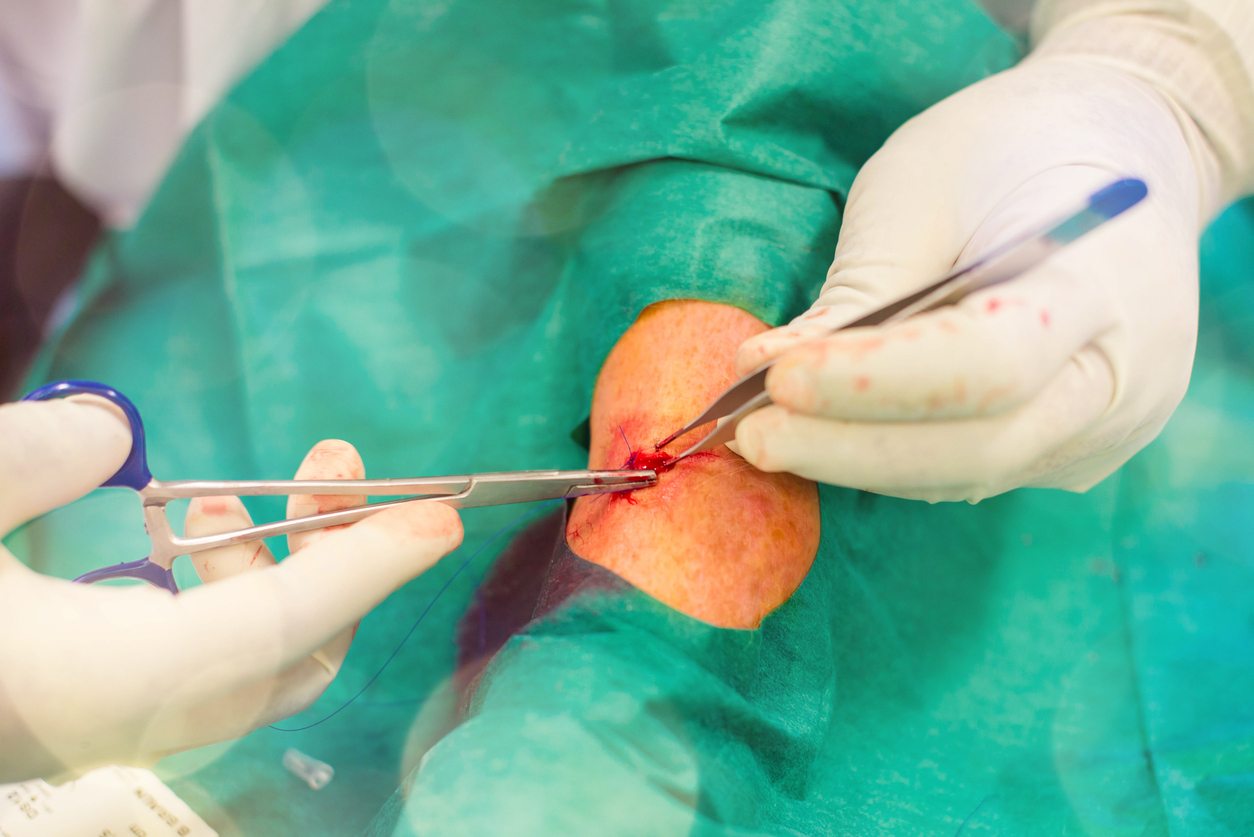
If the cyst is in any degree located on or just below the surface of your skin, the most common service provider is a dermatologist. Dermatologists are also frequently treating epidermoid cysts, or sebaceous cysts — cysts that usually sit on your face, neck, scalp, shoulder or back. These cysts result from keratin or skin cells sitting beneath the skin. Most are painless, but some are inflamed or infected. A dermatologist can examine the lesion to decide if it’s actually a cyst and not just skin. Dermatologists make minor surgical excisions with local anesthesia if a removal would be necessary. The entire cyst wall is removed; therefore recurrence has a low possibility. If a cyst removal doctor is cosmetic or in a visible area of the skin, then the dermatologist is typically the most recommended practitioner.
General Surgeons for Larger or Recurrent Cysts
A general surgeon can be consulted as cysts advance, get deeper or reemerge following drainage. General surgeons treat complex cases that involve deeper excision or removal after outpatient surgery. In addition, for cysts that penetrate below the skin into fat tissues or are adjacent to certain structures, resection may be necessary to minimize their likelihood of re-growth. Hence in these cases, the general surgeon must cut out the whole cyst capsule. Patients who have painful abscesses require a more aggressive drainage and often a broader surgical treatment.
Colorectal surgeons for patients with pilonidal cysts.
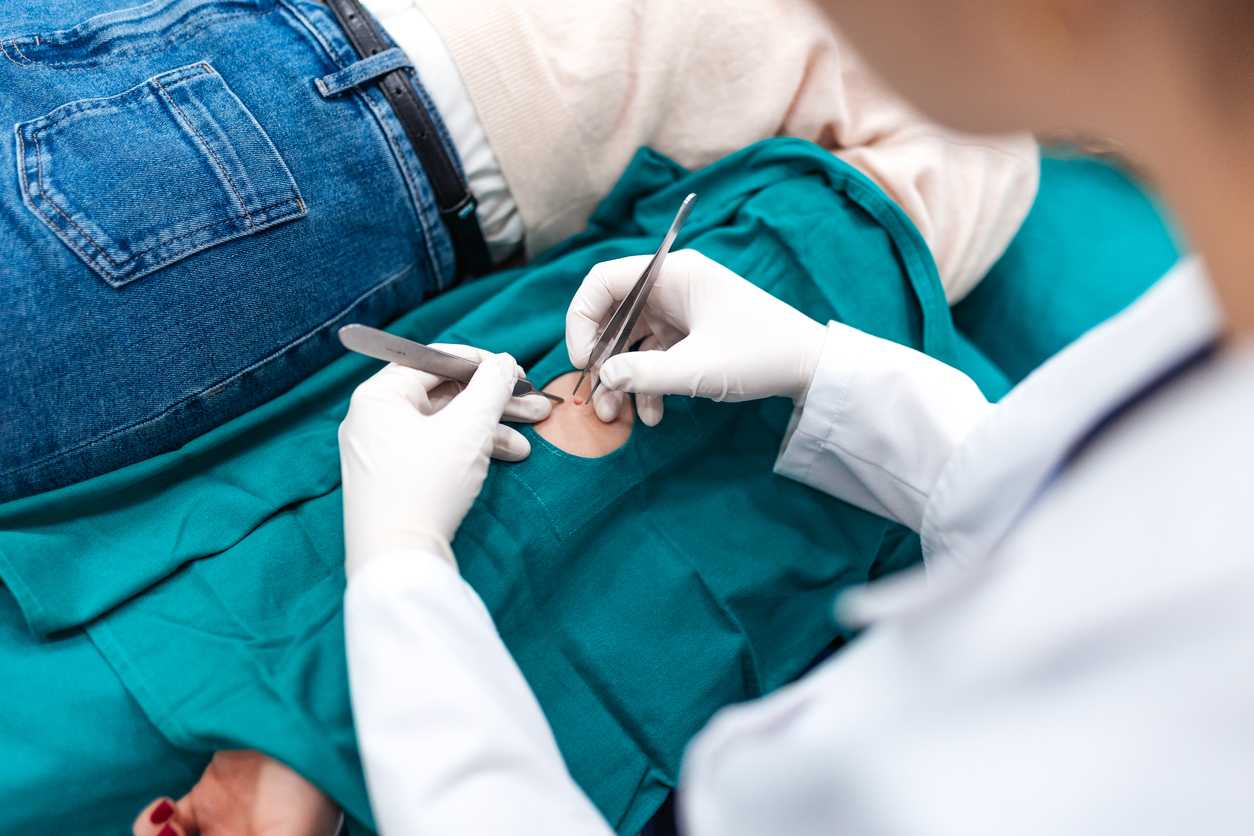
A skin cyst treatment which forms near the tailbone at the top of the buttock crease is also commonly referred to as pilonidal. It is for this reason that pilonidal disease is especially striking: It might form sinus passages under the skin and, if neglected to treat properly, can recur. Colorectal surgeons treat a variety of diseases of the lower digestive tract and other organs, and are particularly proficient in the management of chronic or recurrent pilonidal cysts. At this time a primary care physician can clear the infection up, but a definitive treatment most commonly requires a colorectal surgeon to remove it. They can reshape the area then, and surgical techniques such as flap techniques will help to minimize recurrence and aid healing. The right provider would be a colorectal surgeon if you encounter recurrent infections in that area between your tailbone.
Gynecologists for Ovarian and Bartholin Cysts
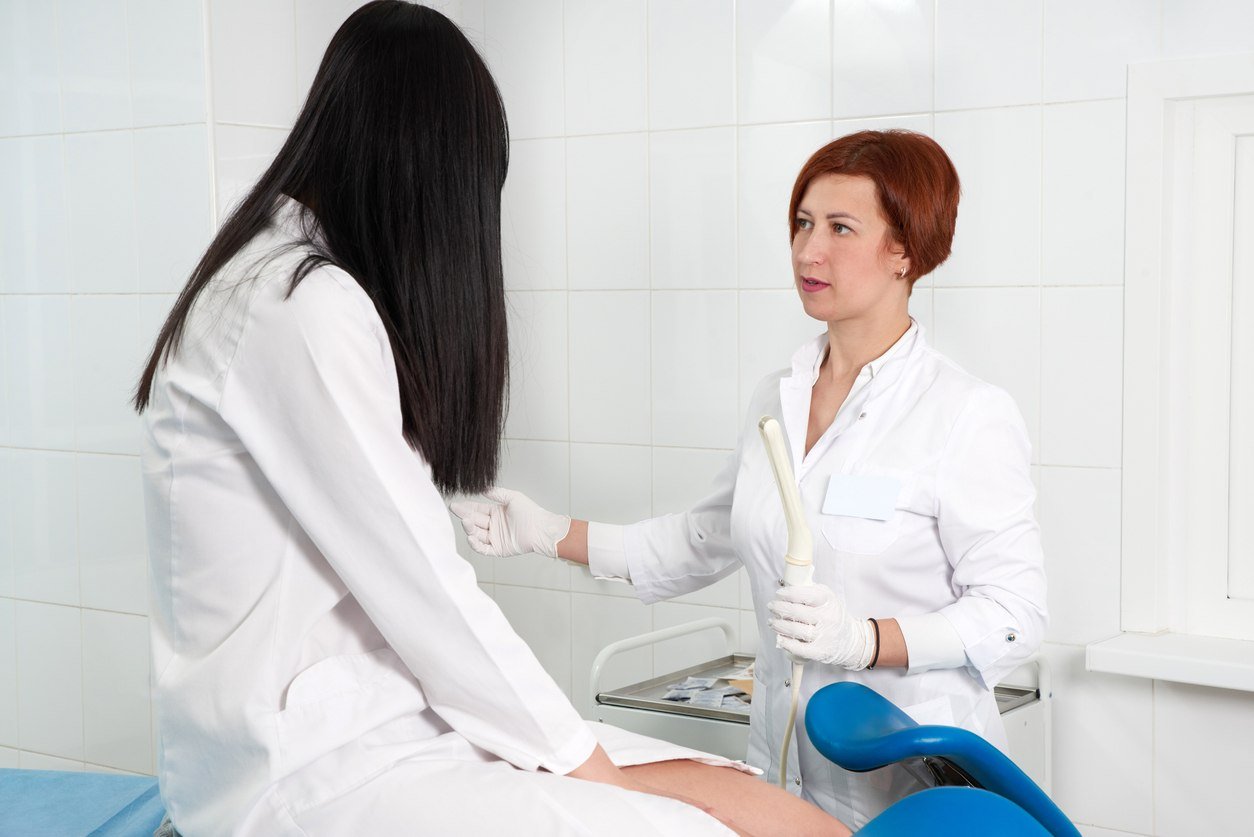
Some cysts do not show up on the skin. Women have ovarian cysts or Bartholin gland cysts that can be seen gynecologically. Ovarian cysts can be seen when women are having regular pelvic exams or undergoing imaging tests. The majority of ovarian cysts heal on their own, but some cause pain, menstrual irregularities and other manifestations. Ultrasound can be conducted by the gynecologist to observe them, and the decision on the appearance of the cysts, or whether they should be removed surgically, will be made. Bartholin cysts develop around the vaginal opening and are prone to infection if left untreated, leading to swelling and pain.
Cysts associated with joints may need orthopedic surgeons
Gynecologists also drain or perform minor surgeries to prevent recurrence in the overwhelming majority of cases. If your skyn cyst treatment itself is associated with pelvic pain and reproductive organs, however, you can send it to a gynecologist. Cysts in joint areas probably may require orthopedic surgeons. Ganglion cysts usually appear at tendons or joints like the wrist or hand. These fluid-filled cysts may grow or shrink quickly, causing pain and restricting movement. Orthopedic surgeons have specialized care for and treatment of ganglion cysts including hand surgery. Management may involve visual monitoring, aspiration if symptoms continue, or surgical removal if they are still present or get in the way of normal movement. If the cyst is situated near your joint and affects adversely your physical motions, you should seek an orthopedic examination.
When to Get Treatment?
But a handful of symptoms could also indicate treatment. Increased pain, reddening, warmth, rapid growth, oozing of pus or fevers could be signs of infection. Complications may necessitate an excision for cysts that re-emerge after drainage. All lump signs will also be looked out for with new appearance or abnormal feel. Early screening results in early effective diagnosis and treatment.
How to find out who the right doctor is for your cyst?
The formula for how to determine “what doctor treats cysts” is derived from where and how far the cyst has been within the body of a person. Dermatologists manage nearly all skin cysts. General surgeons manage bigger or recurring growths. Colorectal surgeons are specially trained on pilonidal cysts. Gynecologists take care of ovarian and Bartholin cysts. Orthopedic surgeons assist with ganglion cysts surrounding joints. If unsure of where to get started, you can visit a primary care doctor, and if it is, that doctor will refer you to the appropriate specialist.

Conclusion
Cysts are a common, relatively benign thing; poorly treated cysts will be painful, potentially even harmful. Knowing who the doctor who treats cysts is means you are now treated appropriately. If you notice a lump persists or complaints are becoming complaints with a considerable degree of discomfort and signs of infection, the first thing you can do to mitigate suffering is obtain a physician assessment. In the majority of cases, most cysts can be safely managed — as long as they are well vetted experts and treatment plans organized — so the patient can feel comfortable again.
Specialties
Recent Pilonidal Q&A
OFFICE HOURS
Monday – Friday
9:00 AM – 5:00 PM