A pilonidal cyst is a common but frequently misinterpreted condition that develops near the tailbone, in the crease between the buttocks. It starts with a pilonidal cyst can start out as slight tenderness or swelling that quickly become painful, infected and interfere with the natural and daily life of a part of your body. Symptoms can range in severity or temporarily subside, meaning many put off reaching out, but pilonidal cysts typically reemerge without appropriate care. How to get rid of a pilonidal cyst, you can’t just pull a trigger; you must also know what led to it, when conservative care is indicated and when the chance of medical or surgical treatment with a long-term cure is good.
What Is a Pilonidal Cyst?
A painful pilonidal cyst is a cyst of skin caused by hair, dead skin cells and other debris that has been held down below the surface of skin near the tailbone. The body reacts, like a foreign body, to this trapped mass of material by increasing its size and, in most cases, getting infected. Infection may lead to a cyst going into an abscess with pus, which causes swelling and more pain. Complications will often occur at the underlying sinus tract when symptoms resolve, making recurrence a common process here.
Symptoms of Pilonidal Cyst
Symptoms may also be different if the cyst is infected. Early signs could include local tenderness or swelling or a small lump at the tailbone. Infection usually progresses, and you may experience more severe symptoms such as intense pain and redness, warmth, and pus or blood drainage. Chronic or recurrent cysts may cause persistent drainage and pain, particularly at rest or during activity. Fever and fatigue may occur in severe infection, and these are signs of a spreading infection.
Can Pilonidal Cyst Heal On Its Own?
Very rarely, but in very few cases, small and noninfectious pilonidal cysts can heal spontaneously and often with minimal discomfort, minimal infection, and good hygiene. But the cyst will not clear after forming sinus tract. Infected pilonidal cysts cannot heal until they are treated by medical help as they may grow worse over time. The underlying tract is preserved until pain or drainage goes away or diminishes to the extent that it can return to its original root. If this is done wrong, it doesn’t matter any more, and unless it’s done well can cause flare-ups of recurrent episodes.
Conservative Care and Early Interventions
A big improvement lies in this. In patients with only mild symptoms of the disease or cases at commencement, conservative management is likely to control discomfort and reduce the impact of infection on others. Keeping a clean, dry environment, not sitting for long and minimizing friction will help prevent potential problems arising. The removal of hair with, or around, the area could also decrease the chance of a recurring occurrence. These maneuvers may be helpful for alleviating symptoms but will not rid pilonidal cysts or the sinus tract which already exists.
Medical Treatment Options
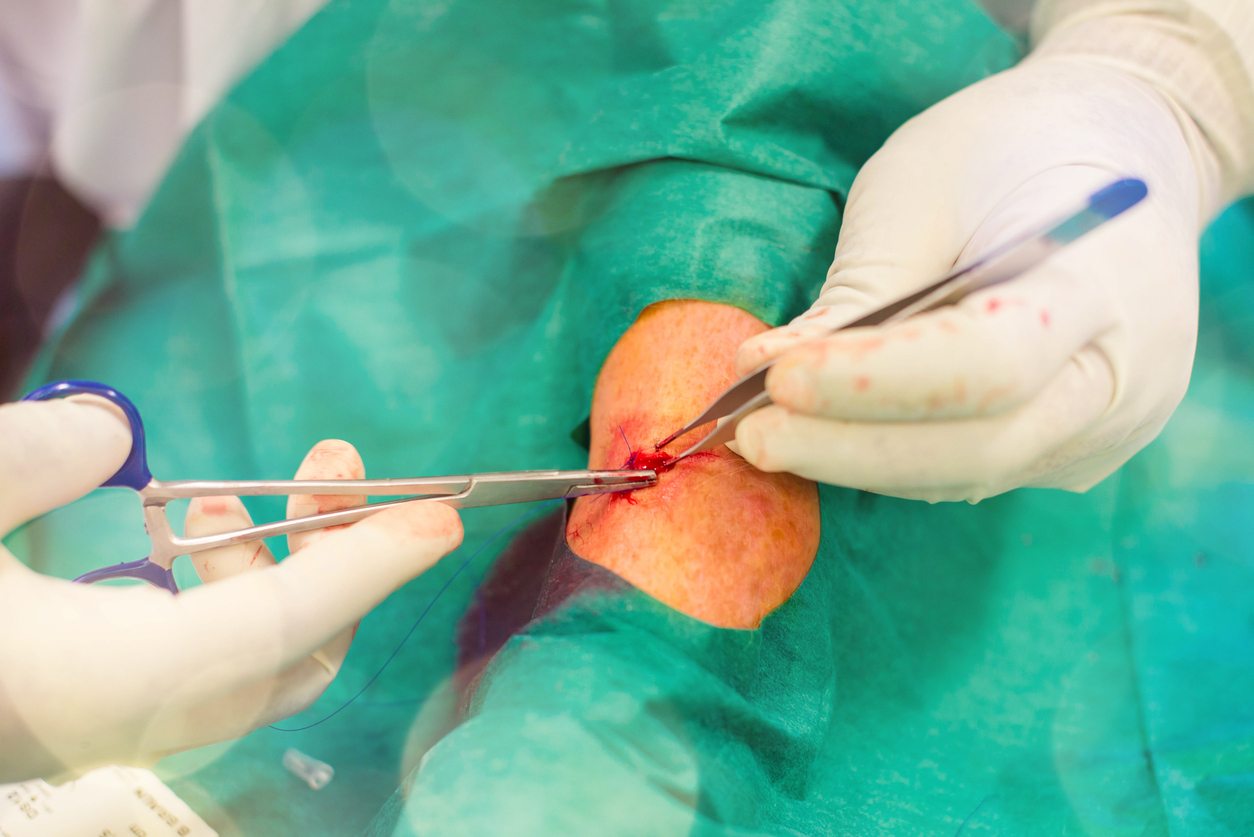
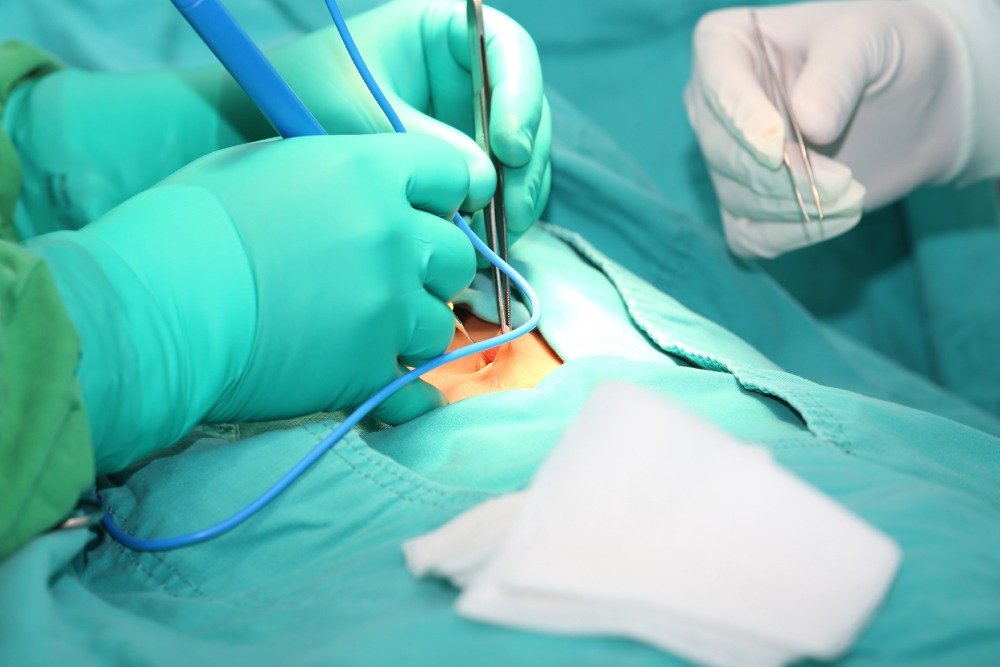
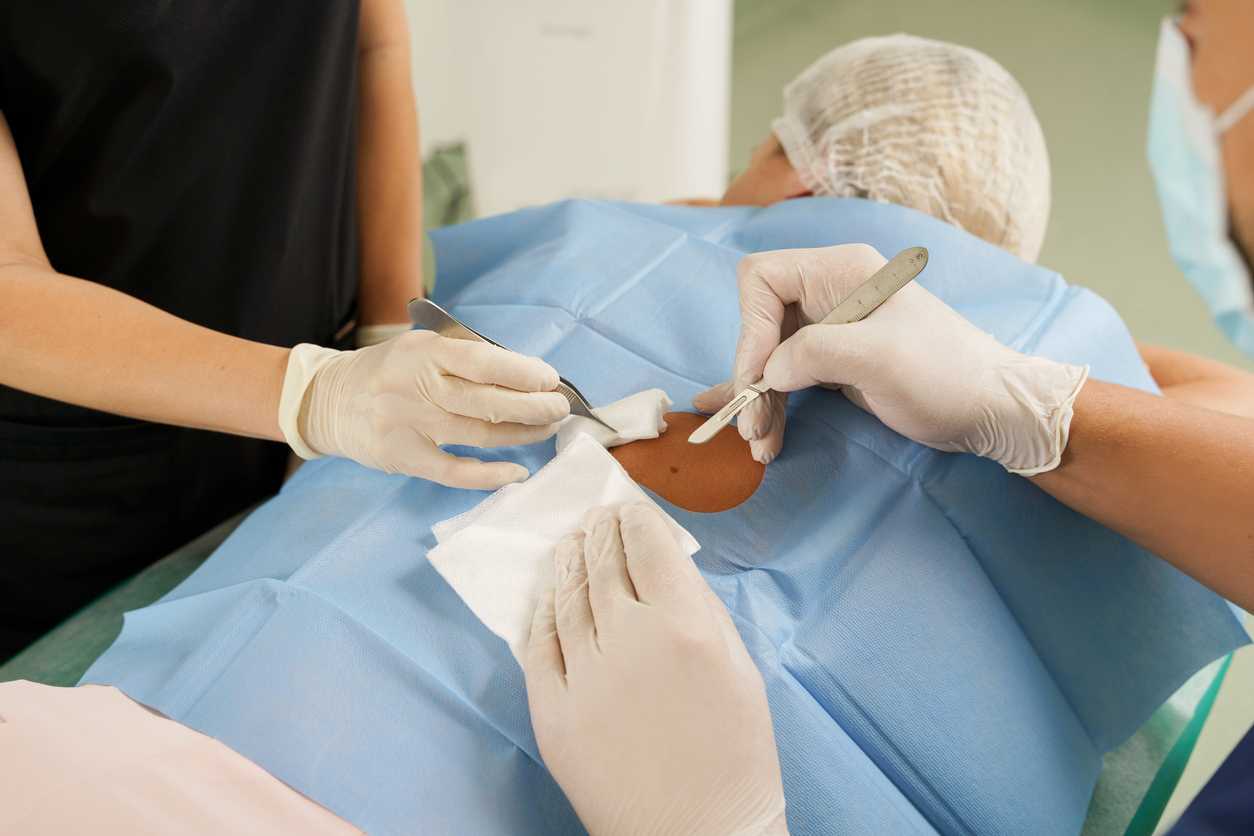
When a recurring pilonidal cyst becomes infected or is painful, medical care is typically advised. A standard technique is incision and drainage, an approach to pain control that allows infected fluid to drain.While a common and quick remedy to pain, this approach doesn’t remove the cyst or cut off the sinus tract, which can be vulnerable to the recurrence. Antibiotics may be available to these patients with skin infection or systemic symptoms, but rarely provide adequate therapeutic benefit in isolation. For permanent removal surgical therapy is performed. In chronic or recurrent patients with pilonidal disease, surgery might be the best way to permanently excise pilonidal cysts. Treatment is surgical, including the removal of cysts, sinus tracts or any infected tissues. The type of surgical surgery a patient chooses depends on the severity of the condition and what the patient is expected, from the point of view of the anatomy shape, to do.
Other kinds of surgery allow the area to heal slowly while other forms include closure techniques to release tension and reduce the risk of recurrence. A specialist can help in making decisions about how best to treat each patient.
Recovery and Aftercare
Recovery post- pilonidal cyst therapy depends on the procedure the patient. It may be less invasive and this should hopefully allow for a quicker return to life while surgical excision might take several weeks to heal. Careful application of care and hygiene to the wound, along with follow-up visits, are critical components of recovery. A good ongoing care plan in the area of hair is important for healing and also helps avoid relapse which is supported through support in the treatment and placing a minimal amount of pressure on the place to help prevent relapsing to some extent.
How to Prevent Pilonidal Cyst Recurrence
Prevention of recurrence is an important component of long-term management. Good hygiene — keeping the area dry, decreasing friction and keeping hair under control — will prevent future cysts that may develop once the disorder becomes more severe and that may take some time to get worse if the symptoms of the condition persist. Preventative approach could persist after effective treatment in people previously diagnosed with pilonidal disease. When to See a Doctor. Those with severe pain, drainage, swelling, or recurrent infections around the tailbone will need to be referred to health care. Because the early intervention may lead to a preventive medical intervention and reduction of complications and pain and the possibility of complicated surgery. Better prognosis is usually reached when patients seek care earlier than later.
Conclusion
Getting rid of a pilonidal cyst involves knowing when conservative care is no longer helpful, and when medical or surgical treatment is in order. Most pilonidal cyst inflammation requires precise targeted therapy that stops them from getting relieved and therefore we’ll often get the relief, at least for the time being. Long-term relief is attainable, and people can achieve considerable improvement in overall patient quality of life with proper treatment, care and preventive measures.
Specialties
Recent Pilonidal Q&A

OFFICE HOURS
Monday – Friday
9:00 AM – 5:00 PM