
Pilonidal cysts are something that just one or two people hardly ever think about. But then they start having a particular kind of lump. What starts out as a very slight bump right beneath the tailbone can easily turn into swelling, drainage or even a sharp pain so severe that sitting, getting up for exercises or resting properly becomes impossible. By then the most important decision you’ll ever have is who to go to for a pilonidal cyst — a doctor who understands the condition and provides the more modern, less invasive option. Many patients begin at urgent care, family doctor for pilonidal cyst visits or emergency room visits, but pilonidal cysts don’t necessarily require the same level of “urgent care”: Frequent treatment from a surgeon or colorectal specialist. A pilonidal cyst is not something to be left in inexperienced hands, just as one wouldn’t see a general mechanic on a rebuild of an engine. Treating this condition can help but unfortunately it’s one that is prone to recurring with inappropriate treatment. Which is where, a knowledgeable physician can make all the difference.
Why a Pilonidal Cyst Is Worth a Doctor
A pilonidal cyst “is not just a bump” or “an ingrown hair.” It’s a disease of the skin and soft tissue that regularly forms tunnels beneath the surface — tunnels that can go unnoticed by clinicians who aren’t acquainted with the condition. Some medical professionals prescribe antibiotics and send patients home believing they have solved the problem. However, antibiotics only temporarily relieve the infection. They do not treat the sinus tracts that cause chronic flare-ups. A specialist knows that long-term success is based on addressing the underlying anatomy. They examine the site, chart the tract and decide whether a minimally invasive procedure, conventional surgery or hybrid method will offer the patient the greatest assurance of long-term relief. Their experience sharply reduces recurrence rates, and ensures that plans for treatment are appropriate for the patient — not the other way around.
Where does a General Surgeon Differ from a Pilonidal Expert?
Pilonidal cyst surgical removal is something a general surgeon can do, but not all surgeons routinely perform. Pilonidal disease operates at an extraordinary crossroads of both: It’s common enough that it requires consistency in treatment, but also niche enough that a few surgeons treat cases a year. A physician treating pilonidal disease weekly or monthly has treated all types of presentations: simple pits, complex tracts, chronic infections, multiple openings, and cases that have not responded to previous surgery. These practitioners understand the nitty-gritty elements of what can change a patient’s life, such as where to make incisions to reduce tension, how to remove the tract while avoiding excessive destruction of tissue, when an endoscopic procedure would be better without a lot of surgical intervention and when a minimally invasive tool should be used instead of a large one. Their ability often protects from being an excessively aggressive surgeon, from having to endure long recovery procedures and from unnecessary scarring on their surgical site.
What to Expect During Your Visit to a Pilonidal Specialist
A pilonidal cyst specialist is completely different from your regular urgent care treatment. Rather than caring for the present infection, the specialist considers the entire course of the disease. They inquire about history of flare-ups, prior draining procedures, lifestyle factors, and family disposition. Then they inspect the area, and clarify — using simple, understandable language — what is actually happening underneath. Patients usually gain such a tremendous sense of relief during this first visit. For many, it is the first time someone has taken the condition seriously. Others find that surgery may not be as complicated as they thought — it may require just a few small incisions and enable patients to resume daily tasks long before they expected. Most crucially, a specialist provides the patient with a plan. Rather than being trapped within a loop of infections, the patient has a plan that culminates finally in a real resolution.
Newer Medicine Available From Pilonidal Cyst Specialists
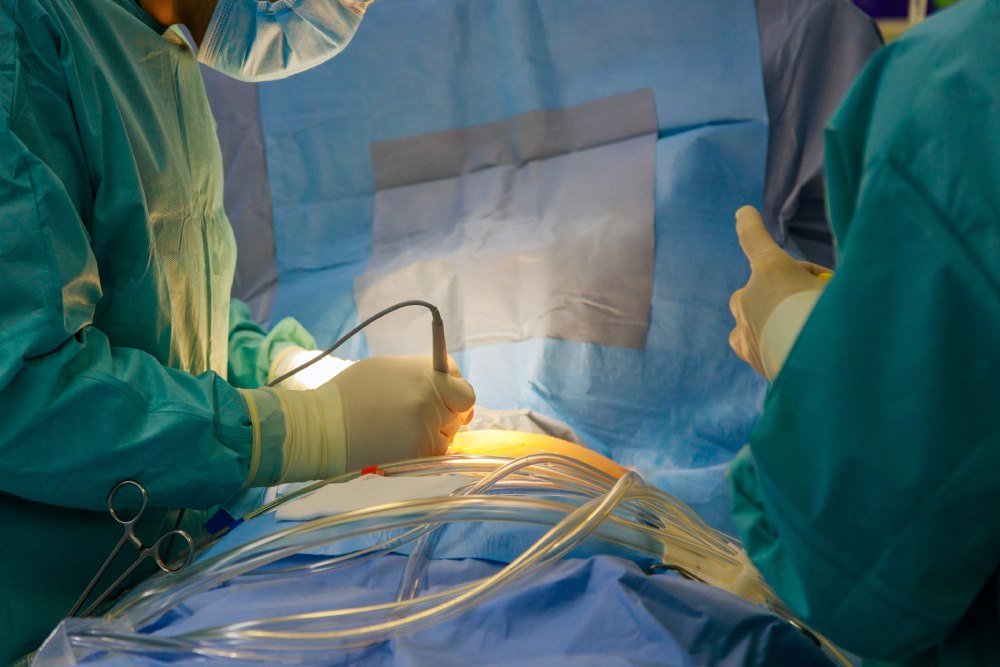
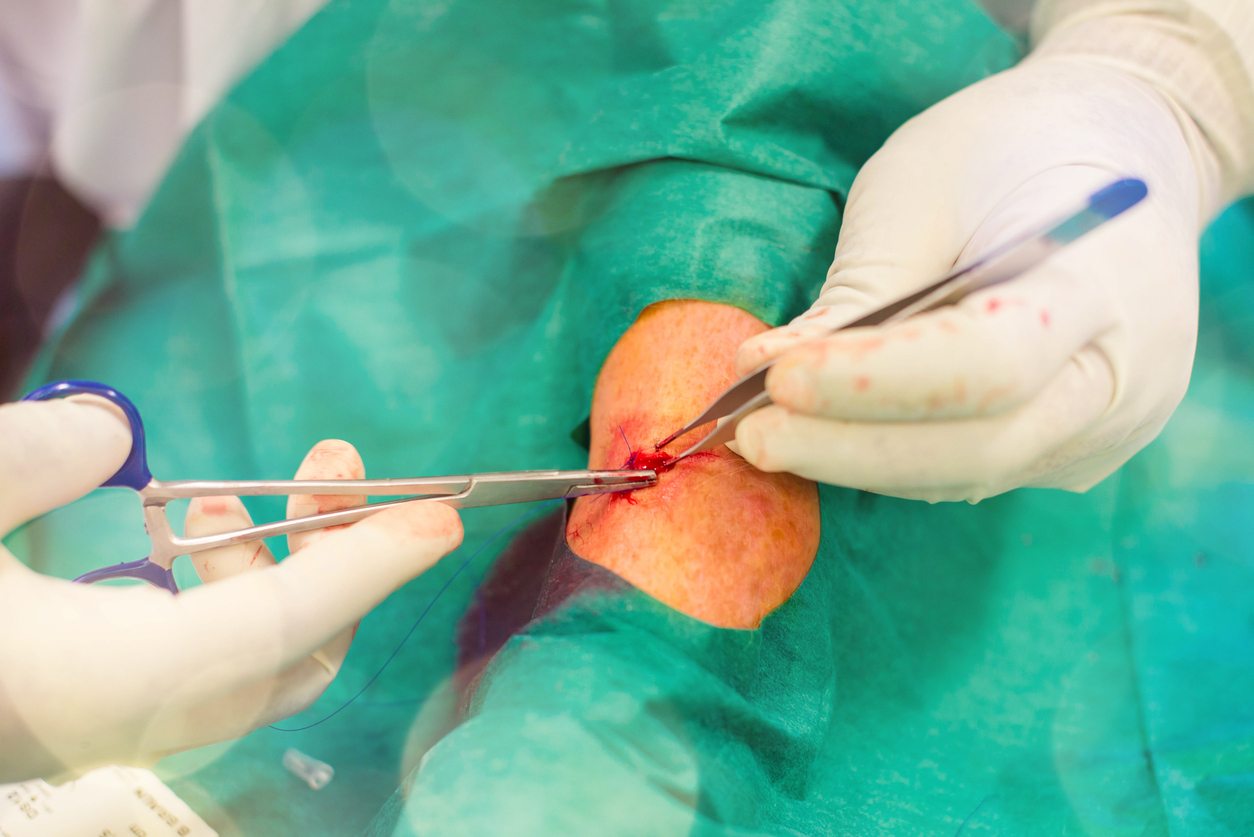
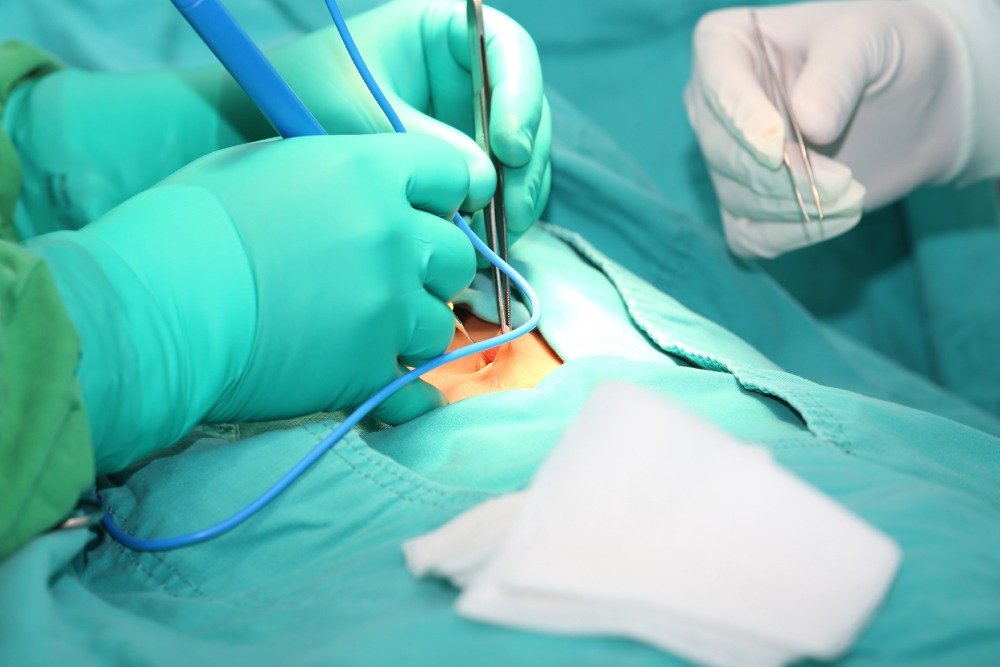
Doctors who treat pilonidal disease usually deliver a wide range of treatments — not just one surgical modality among them. Because pilonidal disease is not one-size-fits-all, this is crucial. Some cysts are minor and can be removed only by pit picking. A few have several tunnels and require endoscopic therapy or a well-planned excision. A true specialist can tailor treatment to the patient’s anatomy and lifestyle. Most modern physicians opt for small-incision or camera-assisted procedures that minimize pain, expedite healing, and minimize scarring. Some also use laser therapy to eliminate hair follicles and help prevent recurrence. These technologies have changed the landscape of care for pilonidal cysts drastically and make surgery less terrifying and much more manageable than ever before.
The Mental Toll of Getting the Right Doctor
We have little idea how challenging pilonidal cysts can be on their individuals emotionally. The condition disrupts sitting, working, intimacy and exercise — all things that are at the very core of life’s activities. Most do so silently, either because they are embarrassed or because their past doctors said their symptoms didn’t matter. A turning point at times is having an expert treat the condition with some expertise mixed in with empathy. Patients feel validated, seen and hopeful again. A good pilonidal cyst doctor is more than just taking out a cyst; the best doctors restore people’s confidence. They discuss how that condition isn’t the client’s fault, how the disease works and what to do to ensure that it doesn’t occur again. This is as much emotional support as the operation delivers.
The Right Doctor For A Pilonidal Cyst
It all starts by researching which doctor to choose. Patients require surgical specialists or colorectal specialists in pilonidal disease. Reading reviews, looking at before-and-after images, or inquiring how many pilonidal surgeries the doctor has performed yearly can yield useful information. Results tend to be better with experience. Another good solution is to see a doctor who offers options for treatment. If the surgeon only makes wide excisions that are traditional, his/her patient may never receive newer, minimally invasive treatment. A cautious and well-rounded specialist sees the case on their own and discusses all the choices at their discretion; as needed; conservative treatment to minimally invasive surgery to remove pilonidal cyst.
Your Journey to Healing Begins With That One Specialist
Pilonidal cysts are distressing, painful, emotionally draining — but they are also very treatable. Patients can escape the cycle of infection and suffering, and be given a road map for healing and lasting prevention — with the right medical assistance. Instead of just controlling flare-ups, patients get back control of their own health. Whether you have dealt with your first cyst or have experienced years of lingering problems with it, it’s important to find that expert doctor for a pilonidal cyst. And with careful attention, some new techniques, expert treatment, and tailored care, lasting relief from the disease is not in want, it is in the expectation.

Specialties
Recent Pilonidal Q&A


OFFICE HOURS
Monday – Friday
9:00 AM – 5:00 PM